Selling Delta-8 and THCA Online: Payment Processing Options
Delta 8 payment processing explained: why THCA and delta-8 face stricter underwriting than CBD, and how online stores keep their processor.

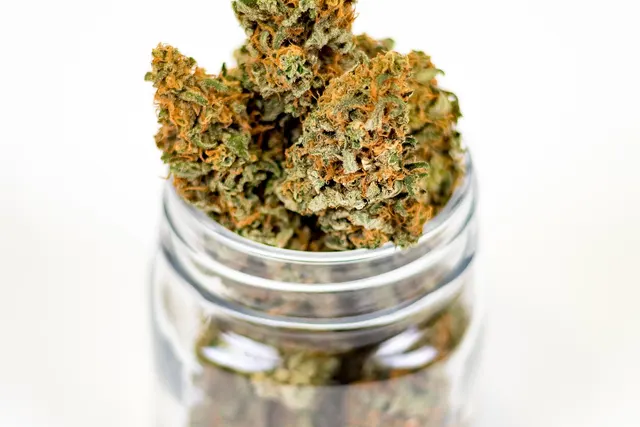
Photo: Pixabay
On this page 7 sections
- Why Delta 8 Payment Processing Is Underwritten Differently From CBD
- State Bans and Geo-Blocking at Checkout
- Age Verification Requirements for Intoxicating Hemp
- Shipping Rules, Carriers, and Delivery Disputes
- Card, ACH, and Alternative Options for a Hemp-Derived THC Merchant Account
- Signs Your Intoxicating Hemp Processor Is About to Terminate Your Account
- Next Steps for Online Delta-8 and THCA Sellers
Key takeaways
- Underwriters treat intoxicating hemp (delta-8, THCA flower, delta-9 hemp edibles) as a different, higher-risk category than non-intoxicating CBD.
- State-by-state geo-blocking, real age verification and careful shipping practices often decide whether an online store keeps its processor.
- A card merchant account works best with a backup payment rail such as ACH or eCheck, as long as every option is disclosed and used within the rules.
- Rising reserves, document requests, settlement holds and chargeback alerts are early warnings. Respond quickly and never route around underwriting.
Delta 8 payment processing is harder to get, and harder to keep, than processing for non-intoxicating CBD. Processors and their sponsor banks look at delta-8, THCA flower and hemp-derived delta-9 products as a separate risk category. Some won't touch them at all, and the ones that will expect tighter controls. This guide explains why underwriting is stricter, how state bans, age verification and shipping practices affect your account, which payment options are realistic, and the warning signs that a processor is preparing to close an account.
This article is general information, not legal advice. Hemp and cannabinoid laws change often at both the state and federal level. Confirm your obligations with a qualified attorney before you sell or ship.
Why Delta 8 Payment Processing Is Underwritten Differently From CBD
To an underwriter, a CBD tincture and a delta-8 gummy are not variations of the same product. The difference comes down to one word: intoxicating. Products that can produce a high bring legal, reputational and chargeback risks that non-intoxicating CBD generally doesn't.
Several factors drive the stricter review:
- Legal uncertainty. These products depend on how hemp is defined in federal law, and that definition has been the subject of active debate in Congress. States layer their own rules on top, and those rules keep changing.
- Bank risk appetite. Your processor works under a sponsor bank. If the bank decides intoxicating hemp falls outside its risk policy, the processor has to follow that decision, even for well-run stores.
- Card network brand concerns. Visa and Mastercard expect acquirers to make sure merchants sell only legal products to eligible buyers in each jurisdiction they serve.
- Higher dispute exposure. Shipping problems, potency complaints and minors using a parent's card all create chargebacks.
| Underwriting Factor | Non-Intoxicating CBD | Delta-8, THCA and Delta-9 Hemp |
|---|---|---|
| Number of willing banks | More options | Fewer options |
| Lab testing review | COAs reviewed | COAs examined closely for THC content |
| Age requirements | Often 18+ or 21+ by policy | Usually 21+, with real verification expected |
| State restrictions | Fewer | Frequent and changing |
| Reserves and pricing | Elevated vs. retail | Typically higher still |
None of this applies to licensed marijuana dispensaries, which work under state cannabis programs and are a separate payments category. If that describes your business, see our guide to legal payment options for cannabis dispensaries.
THCA Flower Payment Processing Gets Extra Scrutiny
THCA flower is often the hardest product in the hemp category to place with a processor. It looks and smells like marijuana, and THCA converts to delta-9 THC when heated. Some state regulators measure "total THC," which counts that potential conversion, so flower that passes one test standard may fail another.
Expect underwriters to ask which testing standard your COAs use and whether each batch was tested close to harvest or packaging. Some processors approve delta-8 edibles but exclude flower. Others want flower listed as its own product line on the application.
What Underwriters Usually Ask For
Be ready to provide:
- Third-party certificates of analysis (COAs) for every product and batch, linked or accessible from your site
- A complete product list with SKUs, cannabinoid types and formats (gummies, vapes, flower, pre-rolls)
- Supplier and manufacturer information
- A compliant website: age gate, restricted-state policy, terms of service, refund and shipping policies, and no health or medical claims
- Prior processing statements, if you have them, along with chargeback history
- Business formation documents and owner identification
Many of these items overlap with a CBD application, which our article on getting approved for a CBD merchant account covers in detail. Intoxicating products add more questions about THC content, age controls and state restrictions.
State Bans and Geo-Blocking at Checkout
States regulate intoxicating hemp in very different ways. Some ban certain cannabinoids outright. Others limit sales to licensed retailers, cap potency or serving size, require product registration, or set a minimum purchase age. A product that is legal to ship to one state may be prohibited next door.
Processors expect you to stop sales into restricted states before payment happens, not just to promise you will in your terms of service.
How to Build Geo-Blocking That Holds Up
- Maintain a restriction matrix by product category, not by store. Delta-8 vapes, THCA flower and delta-9 hemp gummies may each have a different list of states you can ship to.
- Block at the cart and shipping address level. Restricted products should be removed or blocked before checkout completes.
- Watch billing and shipping mismatches. A billing address in an allowed state paired with a shipping address in a restricted one deserves review.
- Cover every sales channel. Wholesale orders, phone orders keyed into a virtual terminal and subscription renewals need the same rules.
- Review the matrix on a schedule and whenever a state passes new legislation. Keep a dated record of each change.
Illustrative example: An online store sells CBD tinctures, delta-8 gummies and THCA flower. Its matrix might allow tinctures to ship to most states, gummies to fewer, and flower to a shorter list still. The store's platform enforces each list automatically at checkout.
Monitoring teams may place test orders to see whether restrictions actually work. If a restricted product can ship to a banned state, expect that to come up in your account review.
Age Verification Requirements for Intoxicating Hemp
Minimum purchase ages for intoxicating hemp vary by state. Even where state law is silent, many processors require 21+ as a condition of approval. A pop-up asking "Are you 21?" is rarely enough for this category.
Common layers, from weakest to strongest:
- Click-through age gate. Useful as a first screen, but weak on its own.
- Database age and identity verification at checkout, matching name, address and date of birth against third-party records.
- ID document upload with selfie match when the database check fails.
- Adult signature at delivery, where the carrier verifies age when the package arrives.
Stronger verification also reduces chargebacks. When a minor uses a parent's card, the cardholder often files an unauthorized-transaction dispute. A verification record tied to the order gives you evidence for your response. For a comparison of tools, see age verification for delta 8 online checkout.
Shipping Rules, Carriers, and Delivery Disputes
Shipping is where many intoxicating hemp stores run into trouble. Carriers set their own policies for hemp and cannabinoid products, and those policies can be stricter than the law. Vape cartridges and devices may fall under separate federal and state rules for vapor products. Read each carrier's current terms and get its requirements in writing where possible.
Why Shipping Drives Chargebacks
Packages can be held, seized, delayed or returned to sender, especially near restricted jurisdictions. Each of those outcomes can turn into an "item not received" dispute. Potency and labeling complaints lead to "not as described" claims.
Ways to reduce delivery disputes:
- Use tracked shipping on every order, and require signatures for higher-value or flower orders
- Make your shipping policy clear about delivery timelines, carrier choice and what happens if a package is returned
- Use a billing descriptor customers will recognize, plus a customer service phone number or email
- Send shipment and delivery notifications so customers have tracking before they think about calling their bank
- Refund quickly when a package is clearly lost. A refund costs less than a chargeback.
Using 3-D Secure for Fraud Disputes
For online card payments, 3D Secure authentication can shift liability for certain fraud-coded chargebacks to the card issuer. It doesn't protect you against "not received" or "not as described" disputes, so it supplements good shipping and service practices rather than replacing them. Our article on 3D Secure for online stores explains how to set it up without adding friction to checkout.
Card, ACH, and Alternative Options for a Hemp-Derived THC Merchant Account
Most online hemp sellers want to accept cards, and many also keep a second payment rail as a backup. Here's how the main options compare.
| Option | How It Works | What to Watch |
|---|---|---|
| Card via high-risk merchant account | Processor with a sponsor bank that accepts the category | Reserves, higher pricing, strict product and website review |
| ACH / eCheck | Customer authorizes a debit from a bank account | Authorization records, return rates, account verification |
| Pay-by-bank apps | Customer links a bank account through an app | Each provider's product eligibility; some exclude intoxicating hemp |
| Digital wallets | Customer pays through a wallet at checkout | Acceptable use policies often restrict these products, so confirm before adding |
A high-risk merchant account with a processor and bank that knowingly approve your product mix is the foundation. MannyPay offers high-risk merchant accounts and works with CBD and delta-8 merchants. As with any processor, approval depends on underwriting, and terms such as reserves vary by account.
ACH is a common backup because it runs on separate rails. It still requires proper authorization and attention to returns. Our guide to ACH and eCheck as a backup when cards fail is written for vape stores, but the same mechanics apply to hemp.
Delta 9 Hemp Payments and Changes to Your Product Mix
Hemp-derived delta-9 edibles are often treated like other intoxicating hemp products, not like CBD. The key rule: your approved product list must match what you sell. If you were approved for CBD and delta-8 gummies and later add THCA flower or delta-9 drinks, tell your processor before launch. Undisclosed products are among the most common reasons accounts are closed.
What Not to Do
Some shortcuts can end your ability to accept cards entirely:
- Describing products as generic "wellness" or CBD items to hide THC content
- Running intoxicating products through another merchant's account or a separate "clean" website (this is transaction laundering)
- Splitting transactions or spreading volume across accounts to avoid monitoring
- Using a merchant category code that doesn't reflect what you sell
Processors may add merchants terminated for reasons like these to the MATCH list, which can block new merchant accounts for years.
Signs Your Intoxicating Hemp Processor Is About to Terminate Your Account
Account closures in this category rarely come out of nowhere. Watch for these signals:
| Warning Sign | What It Often Means | What to Do |
|---|---|---|
| Requests for updated COAs or product lists | Risk review underway | Respond fully and quickly |
| Reserve increase or new rolling reserve | Rising risk concern | Ask what triggered it and how to reverse it |
| Delayed or held settlements | Possible investigation | Contact your account rep the same day |
| Chargeback or fraud alerts | Approaching network monitoring thresholds | Fix root causes: shipping, descriptor, verification |
| Website compliance findings | Health claims, missing age gate, broken geo-blocks | Correct and document the changes |
| Questions about volume spikes | Unexpected growth or new products | Explain the cause, disclose new SKUs |
Prepare before trouble starts. Keep cash on hand in case funds are held, export order and dispute records regularly, and keep a disclosed backup payment rail ready. If an account is terminated, any held funds are generally released under the terms of your merchant agreement, so read yours now, not later.
Next Steps for Online Delta-8 and THCA Sellers
Before applying, or before your next account review, check the basics:
- COAs current for every batch and linked from product pages
- Restriction matrix by product category, enforced at checkout
- Age verification stronger than a click-through gate
- Tracked shipping, clear policies and a recognizable descriptor
- Product list on file with your processor matches what's on your site
- A disclosed backup rail such as ACH
MannyPay also supports cannabis-related businesses and online merchants in other regulated categories. If you sell intoxicating hemp online and want a processor that understands the category, request a free quote. A MannyPay specialist responds within one business day.
This article is for general educational purposes and is not legal, tax or financial advice. Card network rules and state laws change; confirm current requirements for your business.