Can Food Trucks Accept EBT? SNAP Hot Food Rules Explained
Can food trucks accept EBT? Learn why SNAP rarely covers hot truck food, which narrow exceptions exist, and what to tell customers who ask to pay.

Photo: Pixabay
On this page 8 sections
- Can Food Trucks Accept EBT? The Short Answer
- Why SNAP Usually Excludes Hot Prepared Food
- State Restaurant Meal Options: Which Vendors May Qualify
- Food Truck SNAP Eligibility for Cold or Packaged Items
- Mobile Vendor SNAP Authorization and EBT Hardware
- Penalties for Accepting SNAP on Ineligible Items
- What to Tell Customers Who Ask to Pay With EBT
- Next Steps for Food Truck Owners
Key takeaways
- Most hot, ready-to-eat food truck meals generally can't be bought with SNAP benefits, even if the truck has an EBT-capable terminal.
- Some states offer limited options that let approved restaurants serve certain SNAP recipients. Ask your state SNAP agency whether one exists and whether mobile vendors can join.
- Selling a few cold or packaged items doesn't by itself let a truck accept SNAP. Authorization comes from USDA's Food and Nutrition Service, not your processor.
- Accepting SNAP for ineligible items can lead to fines and disqualification, so train staff on a short, respectful answer for customers who ask.
Can food trucks accept EBT? Sometimes, but much less often than customers expect. This guide explains why SNAP generally doesn't cover the hot food most trucks sell and which narrow exceptions may apply. It also covers what authorization and hardware involve, the risks of getting it wrong, and what your crew should say when someone at the window holds up an EBT card.
This article is general information, not legal advice. SNAP involves federal and state agencies, and its rules change over time. Confirm current requirements with USDA's Food and Nutrition Service (FNS), your state SNAP agency, or a qualified professional before you change how you take payment.
Can Food Trucks Accept EBT? The Short Answer
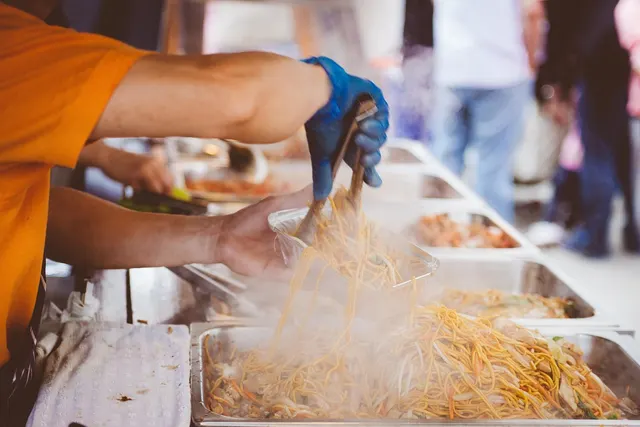
For most trucks, the practical answer is no, at least for the food they're known for. SNAP benefits are generally aimed at groceries that households prepare at home. A food truck sells hot meals handed through a window and eaten nearby, and that kind of food usually falls outside what SNAP covers.
There are two main exceptions worth knowing about:
- State restaurant meal options. Some states offer a way for approved restaurants to accept SNAP from certain recipients. These options are limited, and they aren't available everywhere.
- Authorized retailers selling eligible items. A business that FNS authorizes as a SNAP retailer can accept benefits for eligible foods. For a mobile business, that usually means groceries for home use, not plated meals.
A card terminal that can read an EBT card doesn't give you the right to accept SNAP. Authorization comes from FNS, not your processor.
Why SNAP Usually Excludes Hot Prepared Food
SNAP is built to help households stretch grocery budgets across the month. Hot, ready-to-eat food and food meant to be eaten on the spot generally aren't treated as eligible purchases. The exact definitions are technical, so confirm the current rules with FNS if you're unsure about a specific item.
For a typical truck, that covers almost the whole menu:
- Tacos, burritos and rice bowls coming off the flat-top
- Burgers, cheesesteaks and fries
- Fried chicken, wings and anything held in a warmer
- Hot coffee and other heated drinks
- Meals customers eat at picnic tables or brewery seating
Where the food is eaten can matter too. If you park at a brewery or event where seating is part of the setup, even cold items may look like food for immediate consumption. If your setup is unusual, ask FNS before you assume an item qualifies.
EBT Hot Food Rules vs. Other EBT Benefits
An EBT card can carry more than SNAP. In some states, the same card holds cash benefits from other assistance programs, and those funds follow different rules. Whether your truck can accept them depends on your processor setup and your state. Customers often don't know which balance they're using, which is one reason clear staff scripts help (see the last section).
State Restaurant Meal Options: Which Vendors May Qualify
Some states give certain SNAP recipients a way to buy prepared meals at approved restaurants. If you hear customers mention this, keep three things in mind.
- It's state by state. Many states don't offer this at all. Where it exists, it may cover only part of the state. Availability changes over time, so check with your state SNAP agency rather than relying on an old article or a sales pitch.
- Not every SNAP customer qualifies. These options are generally limited to certain groups of recipients. Your crew can't determine eligibility. The card and payment system handle that.
- Vendors need approval. Restaurants generally have to be approved before they can take part. Requirements vary by state and may include conditions on pricing or menus.
Questions to Ask If Your State Offers One
These options are often designed around restaurants with a fixed address, which can be hard to apply to a truck that moves between office parks, festivals and commissary lots. If your state has one, contact the state SNAP agency directly and ask:
- Whether mobile food vendors can apply
- Whether you must operate in specific approved areas or locations
- What pricing, menu or reporting conditions apply
- How long approval takes and what documents they need
If the answer is no, don't try to work around it. The penalties section explains why.
Food Truck SNAP Eligibility for Cold or Packaged Items
Some trucks sell grab-and-go items alongside hot food: bottled drinks, bagged chips, packaged pastries, cold sandwiches or whole fruit. Many grocery-type items can be SNAP-eligible in general. That doesn't mean your truck can accept SNAP for them.
To accept SNAP as a retailer, a business has to apply to FNS and meet its retailer eligibility criteria. In general terms, FNS looks at whether a business is really a food retailer that sells groceries for home preparation. A truck whose sales are mostly hot meals is unlikely to fit that picture just because it keeps some packaged snacks on the shelf. Review the current FNS criteria before you apply.
| Truck Setup (Illustrative) | Likely SNAP Path | Notes |
|---|---|---|
| Hot taco truck with canned sodas and chips | Generally none | Hot food dominates sales. A few packaged items don't make it a grocery retailer. |
| Truck approved for a state restaurant meal option | State option, if mobile vendors are allowed | Only eligible recipients, only under the state's terms |
| Mobile produce or grocery truck selling staples for home use | Retail authorization possible | Must meet current FNS retailer criteria |
| Farm truck selling at a farmers market | Retail authorization possible | Market arrangements vary. Ask FNS and your market manager. |
Watch Item-Level Eligibility
Even authorized retailers may ring up only eligible items with SNAP. Hot food, food for immediate eating and non-food items stay off SNAP. Eligible-item rules can also differ by state and change over time, so check your state's current rules rather than assuming a particular snack or drink is covered.
Mobile Vendor SNAP Authorization and EBT Hardware
If your truck qualifies, whether through a state restaurant option or as a retailer, you have two separate tasks: authorization and equipment. If you run more than one truck, see our guide to setting up payment accounts for multiple food trucks.
Authorization Steps
- Confirm eligibility with your state SNAP agency (for a restaurant option) or with FNS (for retail authorization).
- Complete the FNS application process with your business, ownership and operating details. Be ready to explain how and where your truck operates.
- Wait for approval. You'll receive authorization details from FNS.
- Use those details to set up EBT acceptance with your processor or EBT service provider.
EBT Hardware on a Moving Kitchen
EBT is processed differently from Visa and Mastercard. Not every terminal or POS setup supports it, and some that do need specific configuration. Before you buy hardware, ask your provider:
- Does this terminal support SNAP, EBT cash, or both?
- Can the POS split one order between SNAP-eligible and ineligible items and send the balance to another tender?
- Does it work on cellular data at stops without reliable Wi-Fi?
- How does it handle EBT when the connection drops? Offline handling for EBT may differ from card payments.
Speed matters during a lunch rush. A setup that forces your cashier to work out eligible items by hand while the line grows will cause mistakes. For help choosing equipment, see our guide to the best food truck POS system for a moving kitchen and MannyPay's range of mobile card terminals. Confirm EBT compatibility for any specific device before you rely on it.
Penalties for Accepting SNAP on Ineligible Items
FNS takes SNAP violations seriously, and "the customer insisted" won't protect you. Penalties can include fines and disqualification from SNAP, and serious violations can carry consequences well beyond that. Confirm the current enforcement rules with FNS or a qualified professional.
Common ways mobile vendors get into trouble:
- Ringing up a hot plate as an eligible item or under a different description
- Accepting SNAP without your own FNS authorization, such as by using another business's account
- Giving cash, change or credit in exchange for SNAP benefits
- Letting staff "help out" regular customers outside the rules
Problems with SNAP can also affect your relationship with your processor. Keep item coding honest and train every employee who works the window.
What to Tell Customers Who Ask to Pay With EBT
EBT questions will come up, especially at stops near transit hubs, schools or public offices. Your goal is a quick, respectful answer that keeps the line moving and doesn't embarrass anyone.
A Simple Script (Illustrative)
"Sorry, we're not able to take EBT for hot food. We do take cash, debit and credit cards if any of those work for you."
If your truck is approved to accept SNAP, adjust it:
"We can take EBT for some items. Let me ring it up and the system will show what's covered."
Tips for Handling It Well
- Post clear signage near the menu board or window so customers know before they reach the front.
- Don't guess. If a crew member isn't sure, the answer is no until you've confirmed.
- Offer alternatives. Cash, debit and cards keep the sale. If you're weighing a change in tenders, read up on whether your food truck should go cashless, because going cashless affects customers who rely on cash.
- Keep it private and quick. Lower your voice, skip the commentary and move on. Efficient habits also help with speeding up a food truck line at the payment window.
- Point to resources if asked. Customers who want to know where they can use benefits can contact their state SNAP agency.
Next Steps for Food Truck Owners
- Decide whether EBT is realistic for your menu. For most hot-food trucks, it isn't.
- Ask your state SNAP agency whether it offers a restaurant meal option and whether mobile vendors can apply.
- If you sell groceries for home use, review the current FNS retailer criteria before applying.
- Confirm EBT support with your processor before buying hardware.
- Train staff on a one-line answer and post signage at the window.
For card acceptance on your truck, including terminals that run on cellular data, see MannyPay's payment solutions for food trucks. When you're ready to compare options, request a free quote, and a MannyPay specialist will respond within one business day. To bring customers back to the window, see our guide to food truck loyalty programs that work without a fixed address.
This article is for general educational purposes and is not legal, tax or financial advice. Card network rules and state laws change; confirm current requirements for your business.