How to Offer Customer Financing at Your Furniture Store
Furniture store financing for retailers: combine prime, second-look and lease-to-own lenders to close more sales, control fees and handle returns.
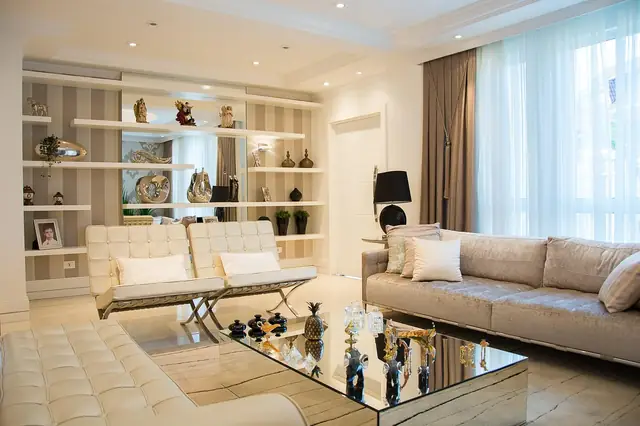
Photo: Pixabay
On this page 8 sections
- Why Furniture Store Financing Drives Big-Ticket Sales
- Furniture Financing Programs: Prime, Second-Look and Lease-to-Own
- What Promotional Financing Costs Your Furniture Store
- How to Offer Financing at the Sales Desk With an Approval Waterfall
- Integrating Financing With Your POS and Online Checkout
- Handling Returns and Cancellations on Financed Orders
- Choosing the Right Financing Mix for Your Price Point
- Next Steps
Key takeaways
- A financing "stack" of prime, second-look and lease-to-own options lets you serve more shoppers than a single lender can.
- Longer promotional terms usually carry a higher merchant discount rate, so match promo length to your margins.
- A lender doesn't pay you for an approved sale until it funds the sale, often after delivery, which affects cash flow on special orders.
- Set return and cancellation procedures with each lender before you sell your first financed sectional.
A shopper loves the sectional, sits in it twice and asks about delivery dates. Then she sees the price tag and says she'll "think about it." That moment often decides whether a big-ticket sale closes or walks out the door, and it's where furniture store financing for retailers earns its place. This guide covers the main furniture financing programs, what each one costs you, how to build an approval waterfall at the sales desk, and how to handle the back-office details that trip retailers up.
Offering financing well takes more than signing up with one lender. The sections below show how to build a mix that fits your customers and your margins.
Why Furniture Store Financing Drives Big-Ticket Sales
Furniture is a considered purchase. Shoppers measure rooms, bring a partner back for a second visit and compare fabric swatches. Tickets run high compared with most retail, and buying a whole room at once (sofa, loveseat, coffee table, rug) pushes the total higher still.
Financing changes the question the customer is asking. "Can I afford the whole room today?" becomes "Can I afford a monthly payment?" That shift tends to help in three ways:
- Closing on the first visit. Many shoppers who say they'll come back don't.
- Upgrading the order. An approved customer may add the matching chair or move up to the better mattress.
- Competing with online sellers. Shoppers who browse furniture online often see financing offered on product pages and at checkout, and they may expect the same in your showroom.
Financing has a cost, and approvals are never guaranteed. Treat it as a sales tool with a price tag, not free money.
Furniture Financing Programs: Prime, Second-Look and Lease-to-Own
Many furniture stores that offer financing use more than one provider. Each tier serves a different slice of your customers.
Prime Lenders
Prime lenders are typically banks, large card issuers or fintech installment lenders. They offer private-label credit cards or installment loans with promotional terms, such as a no-interest or deferred-interest period.
Prime programs usually give customers the most attractive terms. They also approve the narrowest group of applicants, generally people with strong credit.
Second-Look Lenders
Second-look financing serves customers the prime lender declines. These lenders approve a wider range of credit profiles. In exchange, they may charge the customer a higher APR, charge you a higher merchant fee or offer shorter promotional periods. Terms vary widely from one provider to the next.
Lease-to-Own (Lease-Purchase) Providers
Lease-to-own isn't a loan. The provider buys the merchandise from you and leases it to the customer, who can own it by completing the payments or exercising an early-buyout option. These programs often don't rely on traditional credit scores the way lenders do, which makes them a common last step in a waterfall.
The total cost to the customer can be much higher than the cash price, especially without an early buyout. Your sales staff need to explain it accurately. State rules on lease-purchase agreements vary, so confirm what applies where you sell.
Side-by-Side Comparison
| Factor | Prime lender | Second-look lender | Lease-to-own |
|---|---|---|---|
| Who it serves | Strong-credit shoppers | Fair or thin credit | Shoppers declined for credit |
| Typical customer cost | Lowest; promo terms common | Moderate to high | Highest if held to full term |
| Your merchant cost | Varies by promo length | Often higher than prime | Varies by provider |
| Funding to you | After sale or delivery confirmation | Similar; check terms | Often after delivery confirmation |
| Product structure | Credit card or installment loan | Credit card or installment loan | Lease with purchase option |
Fees, approval criteria and funding timelines differ by provider and change over time. Get current terms in writing from each one.
What Promotional Financing Costs Your Furniture Store
When a customer gets a no-interest promotion, someone pays for that interest-free period, and it's usually you. Lenders charge a merchant discount rate (MDR), a percentage taken off the financed amount before they fund you.
In general, the longer and richer the promotion, the higher the MDR. A short deferred-interest promo may cost you relatively little. A long equal-payment, no-interest plan stretching over several years can cost a meaningful share of the sale.
Illustrative example (made-up numbers, not actual rates): Suppose you finance a $4,000 dining set.
| Promo offered | Illustrative MDR | You receive |
|---|---|---|
| Short promo | 3% | $3,880 |
| Mid-length promo | 7% | $3,720 |
| Long promo | 12% | $3,520 |
Run that math against your gross margin in each category. A long promo may make sense on a high-margin bedroom set and lose money on a heavily discounted clearance item.
Clarify these points with each lender:
- Deferred interest vs. true 0%. With deferred interest, the customer owes all accrued interest if the balance isn't paid off in time. With a true no-interest plan, no interest accrues during the promo. Your team should never blur the two.
- Minimum purchase amounts for each promo tier.
- Program fees such as setup, monthly or marketing fees, and whether volume commitments affect your rate.
- Advertising rules. Lenders usually require approved disclosure language whenever you advertise promotional financing terms.
Consumer-credit disclosures are regulated at the federal and state levels. This is general information, not legal advice. Confirm your obligations with the lender and a qualified professional.
How to Offer Financing at the Sales Desk With an Approval Waterfall
A waterfall sends a customer's application to the next provider when the one before it declines. The usual order is prime, then second-look, then lease-to-own. The goal is to give every shopper the best offer they qualify for, quickly and without embarrassment.
- Start with prime. The customer applies on a tablet, by QR code or through the lender's portal.
- If declined, route to second-look. Some platforms do this automatically from a single application. Others require a second application, which adds friction.
- If declined again, offer lease-to-own, with a clear explanation of how it differs from credit.
- Add a down payment when needed. A customer approved for less than the full ticket can put the difference on a card. That split-tender sale runs through your regular card terminal.
Ground rules for the sales floor:
- Offer financing consistently. Present the same options to every customer at the same price point, not only to the people a salesperson guesses need it.
- Train on the language. Staff should explain terms using the lender's materials and never promise approval or specific payments before a decision comes back.
- Know the approval window. Approvals and credit lines can expire. For special-order pieces with long lead times, confirm with each provider how long an approval holds and when the transaction must be finalized.
- Don't bend lender rules. Splitting one purchase across applications to get around a credit limit, or misstating what was sold, can violate your agreement.
Integrating Financing With Your POS and Online Checkout
Financing usually runs separately from your card processing. Depending on the program, a financed sale may be entered in the lender's merchant portal, or a private-label card may be run through your terminal. Ask both your lender and your processor exactly how it works before launch.
In the Showroom
Your POS system should record a financed sale cleanly so inventory, delivery scheduling and reporting stay accurate. A typical furniture ticket might combine a card deposit, a financed balance, delivery fees and a protection plan. Set up a tender type for each lender so end-of-day reconciliation matches what each one funds.
Smart terminals for in-store payments or a Clover POS setup can handle the card side, including deposits and down payments. For phone orders or deposits on custom pieces, a virtual terminal for card-not-present payments lets you take the card portion without the customer present.
On Your Website
Online shoppers often look for "as low as" monthly pricing on product pages and a financing option at checkout. Many lenders offer plugins or widgets for platforms like Shopify and WooCommerce, and your card gateway needs to work alongside them. If you're building out your site, our e-commerce payment setup guide walks through gateways and checkout flow.
Cash Flow and Funding Timing
Many financing providers fund after the order is finalized or after the customer confirms delivery. On in-stock items, that may take days. On a special-order sofa with a long manufacturing lead time, you may wait weeks. Collect deposits on the card side where your policies allow, and plan for that gap.
Handling Returns and Cancellations on Financed Orders
Returns get messy when two systems are involved. Work out the process with each provider before you need it.
- Refund through the original channel. A financed amount is refunded or reversed through the lender, not paid out in cash or store credit. A card deposit goes back to the card. Refunding the wrong way can mean paying twice. For the card side, see our guide to refunding to card, cash or store credit.
- Partial returns. If a customer keeps the sofa but returns the ottoman, find out how the lender adjusts the balance and whether the promotional terms change.
- Clawbacks. If you've already been funded, the lender will typically take the refunded amount back from future fundings. Ask whether any portion of the merchant discount is returned to you.
- Damaged deliveries and exchanges. An even exchange may not need a refund at all. A price difference on a replacement piece might mean an add-on financing transaction or a card charge.
- Cancellations before delivery. Make sure an unfunded financed order is canceled in the lender's system so the customer isn't billed for furniture that never arrived.
Put your return policy in writing at the point of sale, and make sure it matches what your lenders' agreements allow.
Choosing the Right Financing Mix for Your Price Point
There's no single correct stack. Base yours on who walks through your door.
- Value and promotional retailers. Many shoppers may not qualify for prime credit, so second-look and lease-to-own options tend to matter more. Keep promotional terms short so fees fit thinner margins.
- Mid-market stores. A strong prime program plus a second-look backup can cover many buyers. Add lease-to-own if you see frequent declines.
- High-end and custom showrooms. Prime financing with longer promos is often the main tool, since higher tickets and margins can absorb higher MDRs. Watch approval windows closely on long-lead custom orders.
Next Steps
Review your results every quarter: approval rates by lender, average ticket on financed versus non-financed sales, and total financing cost as a share of revenue. Ask your providers what reporting they offer.
Financing works best when the card side runs smoothly too. MannyPay provides card processing, POS systems and online gateways for retailers, including payment solutions for furniture stores, with cost programs such as cash discount and dual pricing where permitted. To review your current setup, request a free quote.
This article is for general educational purposes and is not legal, tax or financial advice. Card network rules and state laws change; confirm current requirements for your business.