Hotel Incidental Hold Guide: How Much to Authorize and When to Release
Learn how to size a hotel incidental hold at check-in, use incremental authorizations for extensions, and release holds quickly to avoid guest complaints.
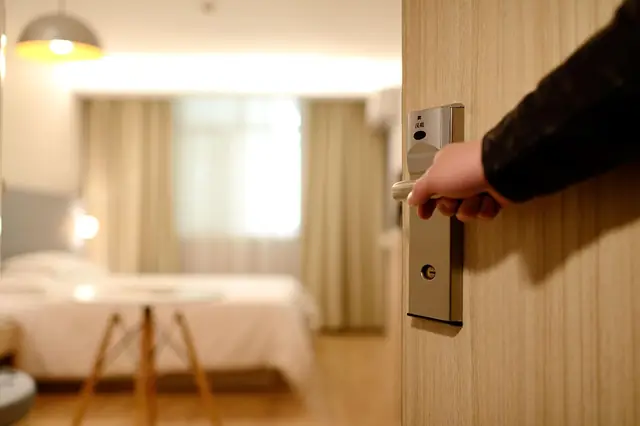
Photo: Pixabay
On this page 7 sections
- What a Hotel Incidental Hold Actually Does to a Guest's Card
- How Much to Authorize: Sizing the Hotel Authorization Hold at Check-In
- Incremental Authorization for Hotel Extensions and Upgrades
- Why a Hotel Debit Card Hold Causes the Most Complaints
- Releasing and Reversing Holds at Checkout
- Front Desk Scripts for Explaining Holds to Guests
- Putting Your Hold Policy Into Practice
Key takeaways
- A hotel incidental hold reduces a guest's available credit or bank balance immediately, even though no money has moved.
- Size the hold from the room rate, nights, taxes and a set incidental buffer, and publish the policy before arrival.
- When a guest extends or upgrades, add an incremental authorization to the original transaction instead of running a new, separate hold.
- At checkout, capture only the final folio amount and reverse anything unused, especially when the guest pays with a different card or cash.
Few things sour a stay faster than a guest discovering their card was hit for far more than the room rate, often when a grocery purchase is declined two days after checkout. The cause usually isn't fraud or a billing error. It's a hotel incidental hold that was sized loosely, stacked by accident or never released. This guide explains how holds work, how to size them, how to extend them correctly and how to close them out at checkout. It ends with front desk scripts your team can use word for word.
What a Hotel Incidental Hold Actually Does to a Guest's Card
At check-in, your property management system (PMS) or terminal sends an authorization to the guest's card issuer. The issuer approves an amount and sets it aside. No money moves yet, but the approved amount comes off the guest's available credit or, for debit cards, their available bank balance.
At checkout, you capture (settle) the final folio amount against that authorization. Only then does money transfer. Restaurants and bars use the same authorize-then-capture flow for open tabs, and our guide to bar tab preauthorization walks through it from the bar side.
Here is what most guests don't realize:
- The hold is real to them right away. Their available balance drops at check-in.
- The issuer controls the release, not you. Once you send a reversal or capture a smaller amount, the guest's bank decides when the freed-up funds appear.
- Unused holds don't disappear at checkout on their own. If nothing tells the issuer to release the hold, it stays in place until the authorization expires on the issuer's timeline.
How Long Does a Hotel Hold Last?
It depends partly on the issuer and partly on your front desk. After you release a hold, the guest's bank can take a few business days to make the funds available, and sometimes longer. If your desk never sends a release, the hold lasts until the authorization expires. The faster and more completely you close the transaction, the shorter the wait for the guest.
How Much to Authorize: Sizing the Hotel Authorization Hold at Check-In
The right hotel authorization hold at check-in is large enough to cover what a guest could reasonably owe and no larger. Most properties build it from the same components:
| Component | What It Covers | Notes |
|---|---|---|
| Room rate × nights | The stay itself | Skip it if the stay was prepaid in full |
| Taxes and mandatory fees | Lodging taxes, resort or destination fees | Rates vary by state and locality, so confirm yours |
| Incidental buffer | Minibar, room service, parking, spa, damages | Usually a flat amount per stay or per night |
| Room-type adjustments | Suites, kitchens, pet-friendly rooms | Higher exposure can justify a higher buffer |
Illustrative example (made-up numbers): A guest books three nights at $150. Taxes and fees bring each night to about $175. Your policy adds a $75 incidental buffer per night. The check-in hold would be roughly $525 for the room plus $225 for incidentals, or $750 total.
Practical guidelines:
- Tie the buffer to what guests can actually charge. A limited-service property with no restaurant, bar or minibar has little reason to hold the same buffer as a full-service resort.
- Cap the buffer on long bookings. A per-night buffer on a two-week stay can grow large enough to push a guest's account negative. A per-stay cap keeps it proportional.
- Scale up for specific risks, not by default. Suites with kitchens, pet rooms or event blocks can carry a higher buffer. Spell that out by room type in your policy.
- Disclose the policy everywhere. Put it on the booking confirmation, your website and the registration card. Guests rarely dispute a hold they were told about before arrival.
The card networks have specific rules for lodging authorizations, covering how estimated amounts are calculated, how long an authorization stays valid and how far the final charge may differ from the authorized amount. Confirm the current requirements with your processor rather than relying on what the last front desk manager remembered.
Incremental Authorization for Hotel Extensions and Upgrades
When a guest adds two nights or moves to a suite, the original hold may no longer cover the expected bill. The right tool is an incremental authorization, which adds to the existing authorization instead of creating a new, unrelated one.
The difference matters:
- Incremental authorization: One transaction, linked to the original, with one final capture at checkout. When it closes, the full amount reconciles and releases together.
- A second standalone authorization: Two separate holds on the guest's card. If checkout captures only one, the other can sit on the account until it expires. This is one of the most common causes of "you charged me twice" complaints.
Use an incremental authorization when:
- A guest extends the stay.
- A guest upgrades to a higher room rate.
- Folio charges such as room service, a spa visit or a damage assessment approach the authorized amount.
- A long stay nears the point where the original authorization could expire before checkout.
For extended stays, many properties also use interim billing: they capture the accrued folio at set intervals and authorize the next period. This keeps the authorization current and limits the amount on hold at any one time. Ask your processor how the network rules on authorization validity apply to your typical stay lengths.
Not every terminal or PMS integration supports incremental authorizations or partial reversals. If desk staff "fix" extensions by running a fresh authorization, check whether your setup can handle increments. Your hotel payment processing setup should match the way lodging actually bills, including the connection between your PMS, your payment gateway and your front desk hardware.
Why a Hotel Debit Card Hold Causes the Most Complaints
A hold on a credit card reduces available credit, an inconvenience most guests never notice. A hotel debit card hold reduces the money in the guest's checking account, and that's where problems start:
- It can block everyday spending. Rent, groceries and gas compete with your hold for the same funds.
- It can trigger overdrafts or declines on other purchases while the guest is still traveling.
- Releases feel slower. The guest is waiting on their own cash, and the timing depends on their bank, not on you.
- The blame lands on the hotel. Your property's name appears on the pending transaction, so that's who gets the one-star review.
Ways to reduce friction for debit card guests:
- Ask at check-in whether the card is debit or credit, then explain the hold amount out loud.
- Offer to place the hold on a credit card if the guest has one, even if they plan to settle the folio with debit.
- Consider a lower or no incidental buffer for guests who decline room charging privileges. Make it a written option your desk can offer consistently.
- Be precise about release timing. "Your bank controls when it shows as available, which is often a few business days" is honest. "It'll drop off tonight" is a promise you can't keep.
Releasing and Reversing Holds at Checkout
This is where good hold practice pays off or falls apart. A clean checkout sends the guest's issuer a clear message that the transaction is final.
When the Guest Pays With the Card on File
Capture the final folio amount against the original authorization, increments included. If the final amount is less than what was authorized, make sure the unused portion is released. Depending on your system, that happens through a partial reversal or by capturing the lower amount. Ask your processor which method your setup uses and whether it sends the release message automatically.
When the Guest Pays Another Way
This is the biggest source of stranded holds. If a guest checks in on one card and pays at checkout with cash, another card or a company card, the original authorization must be explicitly voided or reversed. Otherwise, the guest's bank keeps holding funds for a bill that's already been paid.
Build it into your checkout procedure:
- Settle the folio with the guest's chosen payment method.
- Void or reverse the check-in authorization and any increments.
- Confirm the reversal went through in the PMS or terminal.
- Tell the guest the hold has been released and that their bank controls when the funds show as available.
Cancellations, No-Shows and Early Departures
Apply the same discipline. If you authorized a card at booking or check-in and the guest cancels within policy or leaves early, reverse whatever portion you won't capture. Charge no-show or cancellation fees only as your posted policy allows, and release the rest.
Keyed Transactions and Phone Deposits
Some properties take deposits by phone and key them into a virtual terminal. That works, but keyed transactions can carry more dispute exposure than a chip card inserted at the desk. When you can, authorize the physical card at arrival.
For lobby or curbside checkout, handheld terminals let staff close the folio and reverse holds without sending the guest back to the desk.
Front Desk Scripts for Explaining Holds to Guests
Consistent wording prevents most disputes. Share these with every shift.
At check-in (credit card): > "For your three nights, we'll place a hold of [amount] on this card. That covers the room, taxes and a [buffer] amount for incidentals like parking or room service. You'll only be charged for what you actually use, and we'll release the rest at checkout."
At check-in (debit card): > "Just so you know, because this is a debit card, the [amount] hold will come out of your available bank balance until checkout. After we release it, your bank decides when it shows as available again, which can take a few business days. If you have a credit card, you're welcome to use that for the hold instead."
When extending a stay: > "I've added the two extra nights to your existing authorization, so you'll still see just one transaction from us, not a second hold."
At checkout (paying another way): > "I've released the hold from your original card. It's been sent to your bank now. They control when the funds show as available again, but nothing further will be charged to that card."
When a guest calls about a hold after checkout: > "I can see your stay was settled at [amount] and the remaining hold was released on [date]. Your bank is processing that release. If it hasn't cleared in the next few business days, call us back and we'll send you a written confirmation you can share with your bank."
Putting Your Hold Policy Into Practice
Write down a hold policy by room type. Train staff to use incremental authorizations instead of new holds. Make reversing the check-in authorization a required checkout step. Then confirm your systems can actually support all of it: incremental authorizations, partial reversals and reliable voids across your PMS, gateway and terminals.
If you're reviewing your setup, MannyPay works with lodging businesses on POS systems and front desk hardware, gateways and merchant accounts. You can request a free quote to talk through how your current workflow handles holds.
This article is general information, not legal advice. Confirm current card network rules with your processor, and consult a qualified professional about consumer disclosure requirements in your state.
This article is for general educational purposes and is not legal, tax or financial advice. Card network rules and state laws change; confirm current requirements for your business.