Charter Chargebacks: Weather, Maintenance, and Missed Flights
Learn how to fight a private jet charter chargeback over weather, aircraft swaps or no-shows, and which flight logs and contract terms win the case.
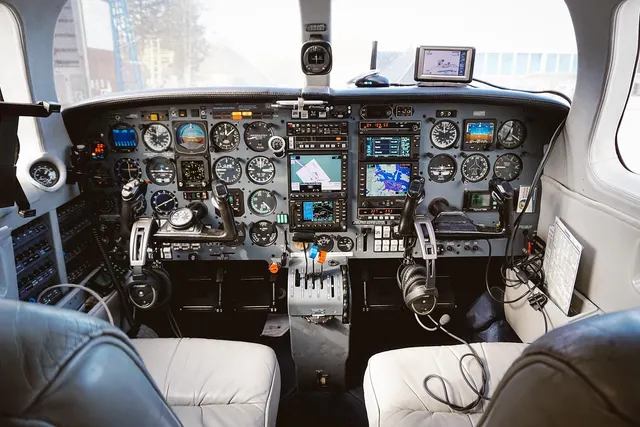
Photo: Pixabay
On this page 8 sections
- Why Private Jet Charter Chargeback Cases Run so Large
- Weather and Crew Duty Delays: What the Card Networks Consider
- Aircraft Swap Disputes and 'Not as Described' Claims
- No-Show Passengers and Late Arrivals at the FBO
- Charter Dispute Evidence That Wins: Trip Sheets, Flight Logs, Signed Quotes
- A Charter Cancellation Policy Written to Survive a Dispute
- Reducing Dispute Exposure Before Wheels-Up
- Next Steps
Key takeaways
- Charter disputes are large single transactions. One lost case can trigger reserves or hurt your merchant account standing.
- Weather, crew duty, aircraft swap and no-show disputes each need different proof, built from the trip's operational records.
- A signed quote with initialed cancellation, substitution and no-show terms is the foundation of almost every winning response.
- Card-not-present payments need extra controls: authorization forms, AVS/CVV checks and 3-D Secure for online checkout.
A private jet charter chargeback rarely starts with fraud. More often, a legitimate customer is unhappy that weather grounded the flight, a mechanical issue forced a different aircraft, or the aircraft left without them. When that customer calls their card issuer instead of your dispatch desk, you have a short window to prove what happened. This guide covers the disputes unique to private aviation, how the card networks generally evaluate them, and which flight-log and contract evidence wins each type.
Why Private Jet Charter Chargeback Cases Run so Large
Charter disputes look different from most card disputes for a few reasons:
- One trip, one large ticket. A single charter can equal weeks or months of margin. Losing it hurts more than losing a retail sale.
- Payment comes well before the flight. Many trips are paid days or weeks in advance. That creates a long gap between charge and service, and processors treat the gap as delivery risk. It is the same concern behind why processors hold funds for prepaid flight hours.
- Card-not-present payments. Most charters are keyed in from a phone call or emailed authorization, or paid through an online checkout. These channels carry weaker default protection than a chip card present at a terminal.
- The payer and the passenger differ. An executive assistant, family office or corporate card often pays for someone else's flight. The cardholder may not recognize the charge or know what was agreed.
- Brokers and operators. When a broker sells a trip flown by a separate operator, the customer may not understand who controlled the aircraft or made the cancellation call.
Illustrative example: A customer books a round trip, pays in full by card two weeks out, and flies the outbound leg. A storm cancels the return, and the customer flies home commercially. If your terms don't clearly explain what happens to the unflown leg, the customer may dispute the entire charge, not just the return.
High-dollar disputes also affect your account standing. A rising dispute ratio can lead to reserves, holds or account review. That is why operators often work with providers experienced in high-risk merchant accounts. If you broker trips, see whether the charter broker or operator should charge the client.
Weather and Crew Duty Delays: What the Card Networks Consider
The card networks don't decide whether your pilot made the right safety call. In a dispute, the issuer and network generally weigh a few practical questions:
- Was the service provided?
- If not, did you offer what your disclosed terms promised, such as a refund, credit or rescheduled flight?
- Did the cardholder agree to those terms before paying?
- Did the cardholder try to resolve the issue with you first?
Dispute categories, reason codes and deadlines vary by network and change over time. Confirm the current rules with your processor whenever a dispute arrives.
When a Charter Flight Is Canceled for Weather: Refund or Credit?
When a charter flight is canceled for weather, the refund question comes down to your contract. If your terms promise a full refund for weather cancellations, a dispute is hard to defend unless you have already issued it. If your terms offer a credit or a rebooking window instead, you need proof that the customer accepted those terms and that you actually made the offer.
Document the decision as it happens:
- Archived weather reports and forecasts for departure, destination and alternates at the time of the decision
- Relevant airport or airspace notices
- The time-stamped message telling the customer about the cancellation, with the options you offered
- The customer's reply, including any acceptance of a new date or credit
Crew Duty and Rest Delays
Federal flight, duty and rest limits for on-demand charter crews can turn a delay into a cancellation. Who caused the delay matters:
- Operator-caused. A maintenance hold pushes the crew past its duty limit. Expect to owe the customer a remedy under your terms.
- Passenger-caused. The passenger arrives hours late and the crew times out. Your no-show or late-arrival terms should apply, and your records must show the timeline.
Keep crew duty start times, the cause of each delay and any replacement crew you sourced. Confirm the regulatory details with aviation counsel or your director of operations.
Aircraft Swap Disputes and 'Not as Described' Claims
Substitutions are routine in charter. A tail goes down for maintenance and you or the broker source another aircraft. Customers, however, often book a specific cabin, and an aircraft swap dispute usually becomes a "not as described" claim.
Common triggers include:
- Moving to a smaller category, such as from a midsize jet to a light jet
- Losing amenities the customer cared about: Wi-Fi, an enclosed lavatory, a flat-floor cabin or baggage space for golf bags and skis
- An older aircraft or different interior than the photos in the quote
- A different operator than the customer expected
Your defense depends on three things:
- The contract allowed substitution. The quote or agreement says aircraft are subject to substitution with comparable or better aircraft. It also states what happens if only a lower category is available.
- You gave notice and the customer accepted. A written substitution notice listing the replacement's type, seating and amenities, plus the customer's written acceptance, is strong evidence.
- The customer flew. Passenger manifests, flight logs and FBO handling records showing the passengers boarded the substitute aircraft weaken a claim of non-delivery.
If you downgraded the customer and your terms call for a price adjustment, issue the partial refund promptly. A voluntary refund is usually cheaper than defending the full charge.
No-Show Passengers and Late Arrivals at the FBO
Missed wheels-up disputes are often the most defensible, as long as you can prove the aircraft was ready. Typical scenarios:
- The passenger never arrives and later disputes the charge as a service not received.
- The passenger arrives so late that the crew times out or a departure slot is lost.
- The passenger goes to the wrong FBO.
- An international passenger arrives without valid travel documents.
Prove the aircraft and crew were there and the customer knew where and when to be:
- Positioning or ferry flight logs showing the aircraft arrived at the departure airport
- FBO records such as fuel tickets, handling invoices and arrival logs
- Crew wait logs and time-stamped calls or texts to the passenger
- The confirmed trip sheet listing the FBO name, address and departure time
- Your no-show terms, initialed or acknowledged by the customer
Charter Dispute Evidence That Wins: Trip Sheets, Flight Logs, Signed Quotes
Strong charter dispute evidence is specific, time-stamped and tied to the cardholder. Build each response from these documents:
| Document | What It Proves | Most Useful For |
|---|---|---|
| Signed quote or charter agreement | Price, aircraft and terms the customer accepted | All dispute types |
| Card authorization form with billing details | The cardholder approved the charge | Unauthorized or "not recognized" claims |
| 3-D Secure authentication record | The cardholder was authenticated online | Online fraud claims |
| Trip sheet and itinerary confirmations | Agreed times, FBOs and passengers | No-shows, late arrivals |
| Flight and aircraft logs | The aircraft positioned or flew as stated | No-shows, substitutions, service received |
| Archived weather data | Conditions behind a safety cancellation | Weather disputes |
| Crew duty records | Why a delay became a cancellation | Crew duty disputes |
| FBO invoices and passenger manifest | Passengers boarded, aircraft was serviced | Substitutions, service received |
| Emails, texts and call logs | Notice given, options offered, customer replies | All dispute types |
| Refund or credit records | You honored your terms | Weather, downgrades, cancellations |
When you respond:
- Move quickly. Deadlines are short and set by your processor and the card networks.
- Lead with a one-page summary. Explain the booking, what happened, what your terms say and why the charge stands.
- Add a timeline. List dates and times from booking through the flight or cancellation.
- Label every exhibit. Use plain titles and highlight the relevant clause or log entry.
- Share only what's needed. Redact unrelated passenger data and internal maintenance detail.
A Charter Cancellation Policy Written to Survive a Dispute
A charter cancellation policy only helps if the customer clearly saw and accepted it. Cover these points in plain language:
- Tiered cancellation schedule. Tie refunds to notice given before departure. Illustrative only: full refund beyond a set number of days, partial refund closer in, no refund inside a final window.
- Weather and safety. The pilot in command and operator may cancel or delay for safety. State whether the remedy is a refund, credit or rebooking.
- Crew duty. Passenger-caused delays that exceed crew limits are treated as late cancellations.
- Substitution. Comparable or better aircraft may be substituted, with a defined remedy if only a lower category is available.
- No-show and late arrival. Define how long the crew waits and when the full charge applies.
- Refund method. Card refunds go back to the original card.
- Acknowledgment. Get a signature or initials on the cancellation section, and repeat key terms on the invoice and checkout page.
Consumer protection laws vary by state. Treat this as general information and have an aviation attorney review your terms.
Reducing Dispute Exposure Before Wheels-Up
Good payment habits prevent many disputes before they start:
- Use a recognizable billing descriptor so cardholders know the charge when they see it.
- Collect a signed authorization for every keyed payment. A virtual terminal for keyed charter payments should capture AVS and CVV results.
- Add 3-D Secure authentication to online booking checkouts.
- Structure deposits and balances in your contract so less money sits unearned for long periods.
- Never split one charter into multiple charges to get around card limits or processor caps. Splitting violates card network rules. Learn how card limits, declines and authorization holds on large charters work instead.
- Contact the customer first. A quick call after a cancellation often heads off a dispute.
Next Steps
Review your charter agreement against the scenarios above, then build a standard evidence folder for every trip: signed quote, authorization, trip sheet, flight logs, FBO records and communications. When a dispute arrives, you'll respond with facts instead of scrambling.
If you're setting up or reviewing processing, see private jet charter payment processing from MannyPay and read about how charter operators get approved for a merchant account. For invoicing and card charges, see our guide to collecting federal excise tax on charter flights. You can also request a free quote, and a MannyPay specialist will respond within one business day.
This article is for general educational purposes and is not legal, tax or financial advice. Card network rules and state laws change; confirm current requirements for your business.