How to Pay Kratom Suppliers in Indonesia: Wires, Export Rules and FDA
How to pay kratom suppliers in Indonesia: the bank setup, SWIFT fee codes, 2024 export rules and FDA checks that help keep wires moving and protect deposits.

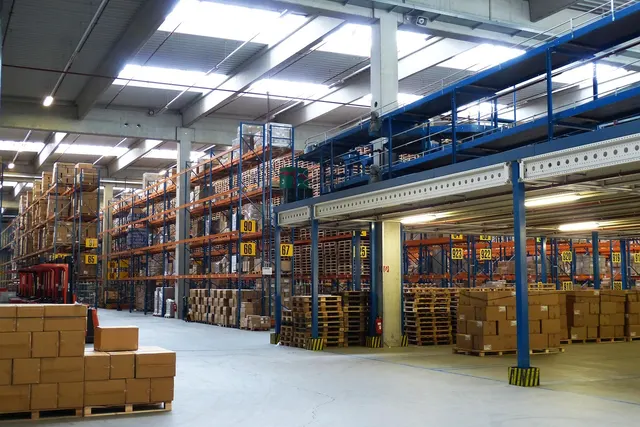
Photo: Pixabay
On this page 6 sections
- Get Your Bank on Record Before You Pay Kratom Suppliers in Indonesia
- Wise Doesn't Support Kratom, so Plan Around a Bank Wire
- Indonesia's 2024 Export Rules Belong in Your Payment File
- Check FDA Import Alert 54-15 Before the Deposit Leaves
- What a Refused Container Costs Under Two Payment Terms
- Stop Hijacked Bank Details Before They Cost You the Order
Key takeaways
- Wise's U.S. acceptable use policy excludes kratom. Pay by SWIFT wire from a bank that already has your business model on file.
- If your supplier expects the full invoice amount, send with the OUR charge code. On rupiah invoices, measure the bank's FX spread yourself.
- Before you pay any deposit, ask a new exporter for proof that it meets Indonesia's Permendag 21/2024, and have your broker check the Red List on FDA Import Alert 54-15.
- A holdback on part of the balance, released after customs clearance and your own lab test, keeps you some leverage if a container is refused.
The safest way to pay kratom suppliers in Indonesia is a SWIFT wire from a U.S. business bank account, at a bank that already knows you import kratom. Back each wire with an invoice and shipping file that match the payment line for line. Don't plan around a fintech transfer app, because Wise's U.S. acceptable use policy lists kratom among the substances it doesn't support. Frozen or returned wires usually come from one of three gaps: the bank didn't know what the business does, the beneficiary details didn't match the paperwork, or the documents arrived after compliance asked for them.
Close those gaps before any money moves. Confirm that your exporter can legally ship under Indonesia's 2024 export rules, and set deposit terms so that one detained container can't sink a quarter. This is general information, not legal or customs advice. Kratom's legal status varies by state, county and city, so confirm your position with a customs broker and an attorney who handle botanical imports. Check where kratom is illegal before you decide where the inventory will sell.
Get Your Bank on Record Before You Pay Kratom Suppliers in Indonesia
Under the Bank Secrecy Act, U.S. banks must know their customers, understand why money is leaving and report suspicious activity. FinCEN's funds transfer recordkeeping rule (31 CFR 1010.410) also requires them to keep records on funds transfers of $3,000 or more. A kratom import wire has the features analysts look for: a border crossing, a botanical whose legality changes by state, a small foreign recipient and often a vague memo.
Concentrated 7-OH products draw far more scrutiny than leaf. On July 29, 2025, FDA recommended a scheduling action to control certain 7-hydroxymitragynine (7-OH) products under the Controlled Substances Act. Our coverage of the DEA's revised 7-OH ban tracks where that stands. If your supplier also sells enhanced products, expect your bank to ask exactly what you're buying. Our explainer on what the 7-OH crackdown means for kratom processors covers why the two are treated so differently.
The exporter's bank in Indonesia may also ask for the sales contract behind an incoming payment. If your paperwork and theirs disagree, the money sits while both banks wait.
You can prevent most of this with one conversation before the first order. Tell your relationship manager that you import kratom from Indonesia, and give your typical order sizes, how often you order and who your suppliers are. Then ask which documents the bank wants with each wire, and ask that your business model be noted on file. If the bank won't support the category, move to one that will before the next order. Don't wait for the first returned wire.
When a Wire Is Held: What to Send and What Never to Do
Banks don't always explain a hold, but you can ask which documents would resolve it. Send them the same day: the contract, the commercial invoice, the exporter's registration and export papers, and a certificate of analysis (COA) for the lot.
Two moves make a hold worse, and either one can get an account closed:
- Relabeling the goods. Writing "herbal tea" or "botanical powder" in the wire memo to avoid a keyword misrepresents the payment to your bank.
- Splitting payments. Under 31 U.S.C. 5324, breaking up transactions to evade Bank Secrecy Act reporting or certain recordkeeping requirements is a federal offense. The FFIEC examination manual tells bank staff to watch for it. Even when the money is clean, a string of smaller wires against one invoice looks like structuring.
Wise Doesn't Support Kratom, so Plan Around a Bank Wire
Importers like fintech transfer services because the fees are visible and the exchange rates sit near mid-market. With kratom, read the acceptable use policy before you compare prices. Wise's U.S. policy names kratom as unsupported, so it's out at any price.
| Option | Where the cost sits | Kratom-specific risk | Fit |
|---|---|---|---|
| Bank SWIFT wire in USD | Your outgoing wire fee, any intermediary deductions and the receiving bank's fee; the exporter's bank converts to rupiah | Holds if your bank hasn't been told about your business | The default for established suppliers |
| Bank SWIFT wire in IDR | Your bank's exchange-rate spread, rarely shown as its own line, plus wire fees | Same as a USD wire | Suppliers who invoice in rupiah |
| Wise | Not applicable | Kratom is listed as unsupported in its U.S. acceptable use policy | Not an option |
| Other transfer apps and escrow platforms | Stated fees, sometimes charged to both sides | Policies vary, and a mid-transfer review can freeze funds | Only after reading the provider's current policy |
Confirm current pricing and limits before every large payment. If a service's terms exclude kratom, don't use it by describing the goods as something else. That is the same misrepresentation as a relabeled memo.
Pick the Right SWIFT Charge Code
Every SWIFT wire carries a charge instruction in field 71A of the MT103 message. OUR means you pay all charges. SHA means each side pays its own bank's fees, and BEN puts all the charges on the beneficiary. Under SHA or BEN, correspondent banks can deduct their fees from the payment along the way. Your supplier then receives less than the invoice amount, and the shortfall turns into an argument about whether you paid in full. If the supplier expects the exact amount, choose OUR. The receiving bank may still charge an incoming wire fee, so agree in writing on who absorbs it.
Measure the Spread on Rupiah Invoices
When you pay in rupiah, your bank's conversion spread is usually the biggest cost, and it never shows up as a separate fee. Note the mid-market rate when you send, then compare it with the rate your bank applied. Divide the difference by the mid-market rate to get your spread. As an illustration, each percentage point of spread on a $20,000 payment costs $200. Suppliers who invoice in dollars may build the conversion cost into their price, so compare landed cost per kilo, not just transfer fees.
Indonesia's 2024 Export Rules Belong in Your Payment File
Indonesia brought kratom exports under formal rules in 2024 with two Ministry of Trade regulations. Permendag 20/2024 amends the list of prohibited exports and sets the kratom types and forms that may not leave the country. Permendag 21/2024 sets requirements for exporters and the permitted types, forms and quantities. Global Trade Alert records the export licensing requirement as issued on August 29, 2024, and in effect from September 28, 2024. Indonesia's Director General of Foreign Trade has said exported kratom must meet standards that include freedom from microbiological contamination, heavy metals and adulteration.
Before a deposit goes to a new supplier, ask for evidence that the exporter meets the Permendag 21/2024 requirements and that the product form you're ordering is permitted. Have your broker confirm the current details, since the rules can be revised. An exporter who can't ship legally can't deliver, and your deposit is the money at risk.
Build one folder per shipment and finish it before you wire, because compliance requests come with short deadlines:
- A signed sales contract or proforma invoice stating product description, quantity, price, currency, Incoterm and payment terms.
- A commercial invoice whose amount and beneficiary details match the wire exactly.
- The packing list and the bill of lading or air waybill.
- The exporter's Indonesian export documents, including proof of the licensing described above.
- A COA from an accredited lab, tied to the lot number and covering contaminants and alkaloid content.
- U.S. entry records from your customs broker.
Card processors that underwrite kratom also ask about sourcing and testing, so the same folder helps on the selling side. For the full list, see what underwriters need to approve a kratom merchant account.
Check FDA Import Alert 54-15 Before the Deposit Leaves
FDA Import Alert 54-15 lets field staff detain dietary supplements and bulk dietary ingredients containing kratom without physical examination. The alert names specific firms on its Red List, and FDA republishes it when it updates those listings. PolicyCanary records the latest republication in February 2025. Before you send a deposit to a new exporter, ask your broker to check whether that firm is on the list. If it is, expect detention.
How the product is declared and marketed matters. The American Kratom Association has argued that FDA can't stop wholesale imports of raw kratom, but FDA has said its approach remains as described in the alert. Ask your broker how the alert applies to your product and your declaration. Make no health claims anywhere in your supply chain, and use a broker who has cleared kratom before. If a shipment is refused, plan as if storage and disposal costs will fall on you as importer of record.
Your contract's Incoterm decides when risk passes to you, and on many common sea-freight terms that happens in Indonesia. That makes a U.S. refusal your loss unless the contract says otherwise. Write in a replacement or refund if your lab finds the lot doesn't match the COA, and make the supplier responsible for refusals caused by errors in its documents.
What a Refused Container Costs Under Two Payment Terms
Kratom import payments commonly run as a deposit at order and the balance against a copy of the bill of lading. Under those terms you pay in full before you know whether the goods will clear. A holdback changes the math. It is a slice of the balance that you release only after customs clearance and your own lab test.
These figures are illustrative. Assume a $20,000 order and $3,000 in freight, insurance and broker fees, all paid by you. The shipment is refused admission, and the supplier doesn't refund you right away.
| Payment terms | Paid to supplier before clearance | Freight and broker fees | Your cash out | Still in your account |
|---|---|---|---|---|
| 30% deposit, 70% against bill of lading | $20,000 | $3,000 | $23,000 | $0 |
| 30% deposit, 60% against bill of lading, 10% after clearance and lab test | $18,000 | $3,000 | $21,000 | $2,000 |
The holdback doesn't cover the loss. What it does is keep $2,000 of the supplier's money tied to solving the problem, which gives the supplier a reason to offer a replacement or partial refund. On a first order with a new exporter, add three more protections:
- A smaller trial shipment.
- A pre-shipment sample tested by your own U.S. lab and matched to the lot.
- Third-party inspection before loading.
A letter of credit puts a bank between you and the supplier. Ask whether your bank will issue one for kratom before you build a plan around it.
Stop Hijacked Bank Details Before They Cost You the Order
In business email compromise, an attacker gets into the supplier's inbox or yours and watches an order move. Just before payment is due, the attacker sends a routine-looking "new bank account" notice. Set rules your team follows on every payment:
- Confirm any change in bank details by calling a number you already had, never one from the email requesting the change.
- Match the beneficiary name to the exporter's legal name. A personal account, or one in a third country, needs a real explanation.
- Send a small test payment to any new account and have the supplier confirm the exact amount received.
- Require two people to approve international wires above an amount you set.
If money goes to a fraudster, call your bank's wire department and request a recall. Then file a complaint with the FBI's Internet Crime Complaint Center at ic3.gov. The Financial Fraud Kill Chain, run by the FBI with FinCEN, can typically be used only for international wires of $50,000 or more, and only within 72 hours of the transfer. For smaller wires, fast recall requests to every bank involved are your main tool.
Before your next order, call your bank's relationship manager. Confirm that the bank knows you import kratom, ask which documents it wants with each wire, and build your shipment folder around that list. Then make the selling side as stable as the supply side. MannyPay offers kratom payment processing and high-risk merchant accounts for the category. Keep ACH and eCheck as a backup when card processing gets cut. When you're ready to compare terms, a MannyPay specialist responds to every free quote request within one business day.
Sources
- FDA Bulletin: FDA Takes Steps to Restrict 7-OH Opioid Products Threatening American Consumers
- Drugs.com: FDA Takes Steps to Restrict 7-OH Opioid Products Threatening American Consumers (July 29, 2025)
- Wise Acceptable Use Policy (US)
- ANTARA News: Indonesia Officially Regulates Kratom Trade
- Tempo: Indonesia Implements Regulations for Kratom Export Trade
- Global Trade Alert: Indonesia Export Licensing Requirement on Kratom Plants
- SupplySide Supplement Journal: Kratom Targeted in FDA Import Alert
- FDAImports: Kratom, Navigating the Murky Regulatory Waters
- PolicyCanary: Kratom FDA Regulatory Status
- PaymentBrief: OUR, SHA, and BEN, Why SWIFT Payments Arrive Short
- FFIEC BSA/AML Examination Manual, Appendix G: Structuring
- Taxes for Expats: International Money Transfer Rules (Funds Transfer Rule, 31 CFR 1010.410)
- Constangy: Business Email Compromise, Preventing Fraud and Recovering Funds
- FBI IC3 2022 Internet Crime Report
This article is for general educational purposes and is not legal, tax or financial advice. Card network rules and state laws change; confirm current requirements for your business.