Moving Company Fraud: Stolen-Card Bookings and Overpayment Scams
How moving company credit card fraud works, from stolen-card deposits to overpayment scams, and the checks that catch fake bookings before move day.

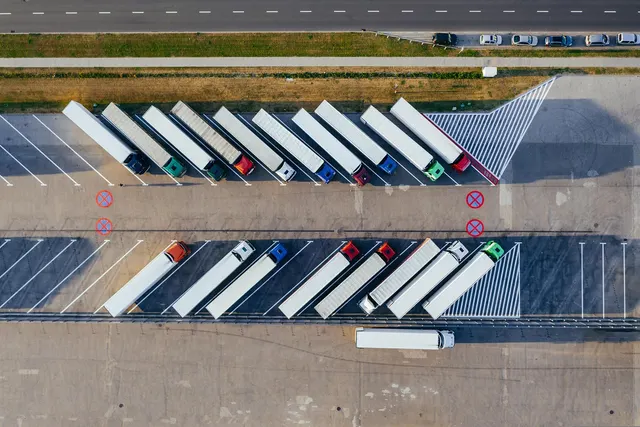
Photo: Pixabay
On this page 6 sections
Key takeaways
- An approved authorization means the card had available credit. It does not mean the person using it is the cardholder.
- Any request to forward part of a card payment to a car shipper, packer or storage facility is the overpayment scam, whatever story comes with it.
- A signed card authorization form is weak evidence in a fraud dispute. A chip read at pickup or an authenticated online deposit is much stronger.
- In the middleman version of the scam, the shipper is a victim too. Talk to them directly at the survey, and get legal advice before holding their goods.
Moving company credit card fraud almost always starts with a card that doesn't belong to the person booking the move. What happens next depends on the scheme. In the plain version, the fraudster pays a deposit with stolen details and disappears. The expensive versions add a twist. Either the fraudster asks you to send part of the payment to someone else, or they hand you a real family's move while a stranger's card pays for it.
The authorization comes back approved and the job looks normal. The loss arrives weeks later as a chargeback, after your crew has worked the job or you have wired money out. The defense is to confirm who is paying, and how they are connected to the shipper, before a truck goes on the schedule.
Credit Card Fraud Schemes That Target Moving Companies
Movers attract fraud for structural reasons. Tickets are large, especially on long-distance jobs. Deposits come in days or weeks ahead through a website form or a phone call, so the card is never in front of you. The customer is also leaving the address you would use to find them. On interstate jobs the origin and destination sit in different states, so a billing address that matches neither looks normal. Moves also pull in outside vendors such as auto transporters and storage facilities, which gives a scammer a believable reason to ask you to pay someone on their behalf.
There is a timing gap as well. If the cardholder doesn't notice the charge until the next statement, you hear about it a month later. By then the date is booked and you have turned away another job for it.
One misunderstanding drives most of these losses. An approved authorization means the card number was valid and had available credit when you ran it. It says nothing about whether the person who gave you the number owns the card. On a keyed or online sale without issuer authentication, the merchant carries the loss when the real cardholder disputes the charge as fraud.
Stolen-Card Deposits on Online Bookings
The simplest version is a stolen credit card moving booking. Someone fills out your instant-quote form and pays the deposit with stolen card details. Then they vanish, or they keep the booking alive to confirm the card works before using it somewhere bigger. Small local moves get booked this way purely as card tests.
Any one of these signals means little by itself. Two or three together deserve a phone call before you confirm the date:
- Name on the card doesn't match the shipper's name or email, and nobody explains the relationship.
- Move date is this week or next, with a large deposit and little interest in the estimate.
- Billing ZIP is nowhere near the origin or destination.
- A declined card is followed by a second card within minutes.
- Survey requests get refused because the customer wants to "just pay and lock the date."
- Calls go to a number nobody answers live, and every real conversation happens by text or email.
Two gateway checks help on card-not-present sales. Address verification (AVS) compares the numbers in the billing address with the issuer's records for U.S. cards. The card security code (CVV) check confirms the person has the code printed on the card. A mismatch on either is a strong warning. A match proves less than it seems to, because stolen card details are sold with the billing address attached. AVS is also built around U.S. addresses, so cards issued abroad rarely return a usable result. That matters when taking deposits from overseas customers on international moves.
For website deposits, 3-D Secure authentication asks the card issuer to verify the cardholder, either in the background or with a code sent to the cardholder's phone. Under card network rules, a successfully authenticated transaction moves liability for a fraud dispute away from the merchant. The conditions differ by network and transaction type, so ask your processor which of your transactions qualify. If your booking flow stores a card for the final balance, the setup choices in online booking for movers with card-on-file decide how much of that protection carries over to the later charge.
Overpayment and Refund-to-a-Third-Party Scams
The overpayment scam has a familiar shape, and it is the moving scam targeting movers that takes real cash out of the bank account. A customer books a long-distance move, then asks you to cover something extra. "Can you ship my car too? My transporter only takes wire. Just charge my card for both and send them the difference." The cover story changes from one attempt to the next: a packer one month, a "relocation coordinator" or an earlier vendor owed a refund the next. What never changes is the request to send money onward.
Behind it sits a stolen card, and the card charge is only bait. What the scammer wants is the forwarded money, because it leaves by wire or Zelle, and those transfers are hard to recall once sent. A card payment, by contrast, stays open to dispute for months. The risks of accepting and sending Zelle for business are worth reading for this reason alone.
Follow the money through one of these jobs. First you charge the card for the move plus the car-shipping amount the customer asked you to add. Then you wire that car-shipping amount to the "shipper." Weeks later the real cardholder disputes the whole charge as fraud, and your processor pulls the full amount back out of your account, not just the part you forwarded. Count what is left. The wire you sent is gone, you paid processing fees on the entire inflated charge, and your processor adds its chargeback fee on top. Crew time and fuel are lost too, along with whatever job you declined for that date.
From the scammer's side the math is simple. Their profit is exactly what you forwarded. The move charge costs them nothing because it was never their card, which is why the scheme works even when the "extra" is small next to the move price.
A paper version uses cashier's checks. A customer mails one for more than the estimate and asks for the overage back before the check is exposed as fake. Your crew's rules for cash and cashier's checks at delivery should cover this case by name.
One rule stops every version. Refunds go back to the original payment method, for the amount actually overpaid, and you never pay a customer's other vendors out of their card payment. If you offer auto transport yourself, quote it and invoice it as your own service. A real customer with a car to ship pays their transporter directly.
When Someone Else Is Paying for the Move
Third-party payers are a normal part of the business. Employers and relocation management companies pay for transferred staff, as covered in corporate relocation billing with RMCs and employers. Parents pay for a graduate's first apartment move. Adult children pay to move a parent into assisted living. You want those jobs, and you want to confirm them before you take the money.
The fraud versions look similar on paper. "My uncle will call with his card" is the crude one. The damaging one is the fake relocation booking run by a middleman. A scammer advertises cheap moves online and collects payment from a real family. Then the scammer books your company in that family's name and pays you with a stolen card. On survey day the family is home, and later their goods get loaded. When the cardholder disputes the charge weeks after that, you have hauled a real household for nothing. The family paid the middleman and has no idea who you are.
Watch for a "coordinator" who handles every call and keeps the shipper away from you. A shipper who mentions a price or company name that isn't yours is another tell, as is a payer who can't explain how they know the shipper. Licensed brokers are real and carry their own payment obligations, and how moving broker payments and carrier payouts work will help you tell one apart from a middleman holding a stolen card.
Verification Steps Before Move Day
These steps catch the schemes above without slowing down honest customers much:
- Talk to the shipper yourself. Run the survey on video or in person with the person whose goods are moving, at the origin address. A camera walk-through of an actual house full of furniture is hard to fake.
- Match the payer to the job. When the cardholder isn't the shipper, write down the relationship and speak with the cardholder by phone, not only by email.
- Turn on checks at the gateway. Use 3-D Secure on online deposits. For phone deposits keyed through a virtual terminal for keyed deposits, set the gateway to require CVV and hold AVS mismatches for manual review.
- Keep deposits in proportion. A smaller deposit limits your exposure if the card turns out to be stolen. Interstate moves also carry federal rules on estimates and deposits, covered in how much you can collect as a moving deposit under FMCSA rules.
- Collect the balance with the card present. Have the crew dip or tap the cardholder's card at origin or delivery using card readers your crews carry on the job. A chip or contactless read is far harder to dispute as fraud than a keyed number. If the card won't read, the crew calls the office instead of keying it.
- Slow down the risky combination. A new customer booking for this week with a large deposit gets a manual review before you confirm, especially when the card name or ZIP doesn't fit the job.
A signed card authorization form and a photo of a driver's license feel like protection. In a fraud dispute they are weak evidence, because they only show that someone had the card details and an image of an ID, and a thief has both. Issuer authentication and a chip read prove far more.
What to Do After a Fraudulent Booking
Caught before the move, the fix is straightforward. Cancel the job and ask your processor whether a dispute is already on file. If none is, refund the original card, since refunding after a chargeback has posted means returning the same money twice. Refuse any request to send the refund somewhere else. If you already sent a wire, call your bank the same day and ask for a recall, because speed matters more than anything else at that point.
A chargeback that arrives after the move needs a response built on your strongest evidence. Chip-read receipts and 3-D Secure authentication records carry the most weight. Survey video and the signed bill of lading show the job was real, and every message with the customer belongs in the file. Fraud disputes on keyed sales without authentication are hard to win, so spend your time where the evidence is strong. Winning damage and delay disputes as a mover walks through the response process.
Tell your processor's risk team early. A cluster of fraud chargebacks triggers account monitoring or a reserve, which is one reason moving company merchant accounts get flagged. File a police report too, and keep the report number for your bank and processor.
In the middleman scam, the shipper is a victim as well. Your lien is tied to charges owed under the bill of lading, but whether it reaches a shipper who paid a middleman while a stranger's card paid you is a question for your attorney. Get advice before you hold anyone's goods. The rules on liens and holding goods when a customer won't pay give general background, and this article is general information, not legal advice.
This week, pull your most recent online bookings and check two things on each: whether the deposit was authenticated, and whether the balance was collected with a chip read. Then ask your office staff if anyone has ever asked them to forward money to a third party. If the gaps are wide, MannyPay sets up 3-D Secure for online deposits and card readers for crews collecting at delivery as part of moving company payment processing. You can request a free quote, and a MannyPay specialist will respond within one business day.
This article is for general educational purposes and is not legal, tax or financial advice. Card network rules and state laws change; confirm current requirements for your business.