Nutraceutical Merchant Accounts: How to Get Approved and Stay Live
How to get a nutraceutical merchant account approved: the documents and website details underwriters check, reserves to expect and how to stay live.
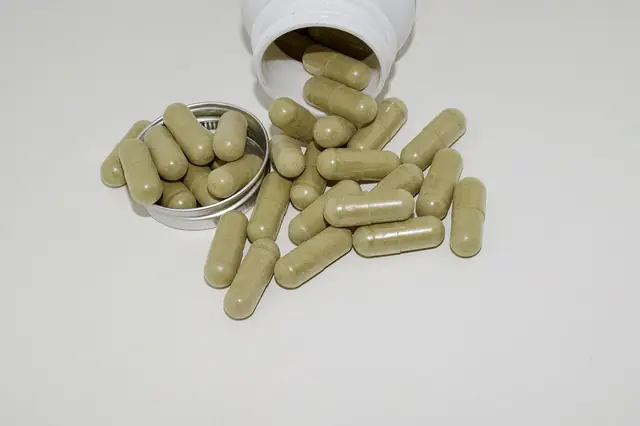
Photo: Pixabay
On this page 8 sections
- Why a Nutraceutical Merchant Account Is Classified as High Risk
- What Underwriters Need in Your Supplement Merchant Account Packet
- Website Elements Underwriters Check on Nutra Stores
- Reserves, Volume Caps and Nutra Payment Processing Costs in Year One
- Red Flags That Get Supplement Applications Declined
- Staying Live With Your Dietary Supplement Payment Processor
- Next Steps Before You Apply
- How MannyPay Works With Supplement Brands
Key takeaways
- Supplement sellers are rated high risk mainly because of recurring-billing disputes, product claims and ingredient exposure. The category itself isn't banned.
- A complete packet of COAs, GMP certificates, label proofs, processing history and marketing samples gives you the best chance of approval on the first try.
- Expect a reserve, a monthly volume cap and higher pricing in year one, and treat them as terms you can renegotiate later.
- To stay live, watch dispute ratios, keep subscriptions transparent and tell your processor before you change products or marketing.
A nutraceutical merchant account usually gets approved on the first submission when the underwriter can quickly answer three questions: What do you sell? How do you sell it? Will your customers dispute the charges? This guide shows you how to answer all three. It covers the documents and website details underwriters check, the reserves, caps and pricing to expect in year one, and the habits that keep your account open.
Many supplement brands do the opposite. They apply to one processor, get declined or hear nothing for weeks, and then send the same incomplete file to the next high-risk ISO. A better-prepared application breaks that cycle.
Why a Nutraceutical Merchant Account Is Classified as High Risk
"High risk" describes a risk profile. It doesn't mean your business is doing anything wrong. For supplement merchants, the profile usually comes from a few overlapping issues:
- Recurring billing and trial offers. Many nutra brands sell subscriptions or "try it" offers that turn into monthly shipments. Customers who don't realize they signed up for recurring charges often dispute them as unauthorized. This is a major driver of chargebacks in the category.
- Product claims. Supplements are regulated differently from drugs, and federal regulators pay close attention to how they're marketed. A processor that boards a merchant making drug-like or disease claims takes on reputational and regulatory exposure.
- Ingredient exposure. Some ingredients sold as supplements face federal warnings, state restrictions or outright bans. Rules vary by state and change over time. Products such as CBD, Delta 8 and kratom are generally underwritten under separate programs with their own requirements. See our pages on CBD and Delta 8 payment processing and kratom merchant accounts.
- Affiliate and paid-traffic marketing. Brands that rely on affiliates can lose control of the claims made in ads, and underwriters know it.
- Card network scrutiny. The card brands closely watch categories with high dispute rates, and acquiring banks pass that scrutiny on to the merchants they board.
None of these issues stops a well-run supplement brand from getting approved. They simply determine what the underwriter needs to see from you.
What Underwriters Need in Your Supplement Merchant Account Packet
Supplement applications most often stall because documents are missing or don't agree with each other. Build the full packet before you apply, and check that every document is consistent with the rest.
| Document | What It Shows the Underwriter | Tips |
|---|---|---|
| Business formation docs, EIN letter, owner IDs | Who owns and controls the business | List every owner the bank requires. Missing beneficial owners cause delays. |
| Business bank letter or voided check | Where settlements go | The account name must match the legal entity on the application. |
| Prior processing statements | Volume, ticket size, refund and dispute history | Send recent consecutive months. Gaps raise questions. |
| Chargeback and refund reports | How disputes are trending | Add a short note explaining any spikes and what you changed. |
| Certificates of Analysis (COAs) | Products contain what the label says and are free of listed contaminants | Use third-party labs, keep them recent and tie each one to a SKU or batch. |
| GMP certificate | Products are made in a facility that follows current Good Manufacturing Practice | This is usually issued to your manufacturer. Include your supply agreement if you use a contract manufacturer. |
| Label proofs and product photos | Ingredients, claims and required disclaimers on the actual packaging | Labels should match product pages and COAs exactly. |
| Fulfillment agreement or shipping process | Orders are actually delivered | Note your carrier and how customers receive tracking. |
| Marketing samples | How you acquire customers | Include ad creatives, landing pages and a list of affiliate partners if you use them. |
| Business bank statements | Cash position and ability to cover refunds | Underwriters use these to size reserves. |
Consistency beats volume. Ten documents that agree make a stronger packet than twenty that contradict each other. If your COA lists one formulation, your label another and your website a third, expect a decline or a long delay.
New brands without processing history can still get approved. Make up for the missing history with stronger documentation, realistic volume projections and a clear explanation of how you plan to acquire customers.
Website Elements Underwriters Check on Nutra Stores
Most nutra underwriting includes a site review. Someone will click through your store the way a skeptical customer would, so audit your own site against this list before you submit.
Product Pages and Claims
- Product names, ingredients and serving information match your labels and COAs.
- No claims that a product treats, cures or prevents a disease. Underwriters flag these immediately.
- Required disclaimers appear wherever your claims call for them. This article isn't legal advice, so confirm current FDA and FTC requirements with a regulatory professional.
- Testimonials and before-and-after content don't imply results your claims can't support.
- No restricted ingredients, and no products that weren't disclosed on the application.
Policies and Contact Details
- A refund and return policy that is clear, easy to find and actually honored.
- A shipping policy with realistic delivery windows.
- Terms of service and a privacy policy.
- A working phone number, email address and business address.
- A billing descriptor customers will recognize on their statements. Disputes often start when the descriptor doesn't match your brand name.
Subscription and Checkout Flow
- Recurring terms (price, frequency and first rebill date) are stated clearly before the customer pays, not buried in fine print.
- An affirmative consent step for recurring charges.
- A simple way to cancel online.
- Confirmation emails that restate the subscription terms.
Many states have automatic renewal laws that govern these disclosures. Our state-by-state map of automatic renewal laws is a useful starting point, but confirm current requirements with counsel.
On the technical side, underwriters expect a secure checkout and fraud tools. Adding 3-D Secure authentication to card-not-present checkout can help reduce fraud-related disputes. For the full online setup, see our guide to setting up payments for an online store.
Reserves, Volume Caps and Nutra Payment Processing Costs in Year One
Approval for a high risk merchant account for supplements almost always comes with conditions. Knowing them ahead of time helps you plan cash flow.
Reserves
Most nutra accounts start with some form of reserve:
- Rolling reserve: A share of each day's settlements is held for a set period and then released on a rolling basis.
- Upfront reserve: A lump sum is deposited or withheld at the start.
- Capped reserve: Funds are withheld until the reserve reaches a set total.
Percentages and hold periods vary by acquirer and by your risk profile. To learn how these work and how merchants negotiate them down, read how rolling reserves work and how to reduce them.
Illustrative example only: Suppose a processor holds 10% of daily sales for 180 days. A brand processing $50,000 a month would put about $5,000 a month into reserve, and none of it would start releasing until after the first six months. Build that lag into your inventory and ad budgets.
Volume Caps
New accounts usually come with a monthly processing limit. If you're planning a product launch, a big ad push or a seasonal promotion, tell your processor beforehand. Processing well over your cap can trigger holds even when the sales are legitimate.
Pricing
Nutra payment processing costs more than low-risk processing because the acquirer takes on more risk. Ask for quotes in a transparent format that shows the markup separately from interchange. Our comparison of interchange-plus, flat-rate and tiered pricing explains what to ask for. Read every line for chargeback fees, reserve terms, early termination fees and monthly minimums.
Reserves, caps and pricing can often be revisited after a period of clean processing. Ask at the start what performance would justify a review.
Red Flags That Get Supplement Applications Declined
These issues are the most likely to end an application or close an account later:
- Disease or drug-like claims on the site, labels or ads.
- Hidden negative-option offers, such as "free" trials that roll into recurring charges without clear consent.
- Undisclosed products or ingredients, including restricted substances added after approval.
- An undisclosed MATCH listing. If you're on the list, say so upfront. Hiding it almost always ends worse.
- A high dispute history with no explanation or corrective plan.
- Mismatched information across the application, website, bank account and documents.
- Ownership that's hard to trace, such as nominee owners or layered entities with no clear reason.
- Processing for other businesses or websites through your account, which is transaction laundering.
- Spreading sales across several accounts to stay under monitoring thresholds. Multiple MIDs that are properly disclosed are fine. Concealed load balancing is a violation.
- Projected volume far beyond what a new brand can plausibly reach.
No legitimate processor will help you get around underwriting, card network rules or category coding. A provider that suggests miscoding your business or hiding products puts your ability to accept cards at all at risk.
Staying Live With Your Dietary Supplement Payment Processor
Approval is only half the work. Supplement accounts usually close because of what happens in months three through twelve.
- Watch dispute and fraud ratios weekly. Card networks run monitoring programs with set thresholds, and those thresholds change. Ask your processor for the current figures that apply to your account.
- Refund quickly. A refund issued before a dispute is filed costs far less than a chargeback.
- Make customer service easy to reach. Put contact details on packing slips, in confirmation emails and in the billing descriptor where possible.
- Keep subscriptions transparent. Send pre-renewal reminders, keep cancellation simple and use card updater tools to cut failed payments. Our guide to reducing failed payments and churn on subscriptions covers this in detail.
- Control your affiliates. Review their creatives and landing pages regularly. You are responsible for claims made on your behalf.
- Update COAs with each new batch or formulation, and keep them ready for periodic reviews.
- Notify your processor before you make changes, such as new SKUs, new ingredients, new sales channels, new websites or a jump in volume.
- Track your reserve balance against your statements so you know when funds are due to release.
Next Steps Before You Apply
- Assemble every document in the packet table and check that they all agree.
- Audit your website for claims, disclaimers, policies, contact details and subscription disclosures.
- Prepare a short note explaining any past dispute spikes and the fixes you made.
- Plan your cash flow around a possible reserve and a monthly volume cap.
- Ask each provider for transparent pricing and the terms for a future review.
How MannyPay Works With Supplement Brands
MannyPay is a U.S. merchant services provider offering merchant accounts for low- and high-risk businesses, including merchant accounts for nutraceutical and supplement sellers. MannyPay is a registered ISO/MSP of Esquire Bank, Merrick Bank and Mission Valley Bank. Approval and account terms depend on the bank's underwriting review.
MannyPay supports e-commerce acceptance, 3-D Secure and payment gateways such as Authorize.net and NMI. It also offers platform integrations, including a Shopify payment integration and a WooCommerce payment integration. For more on how these accounts are structured, see our high-risk processing options.
When your packet is ready, request a free quote and include your documents upfront so the review can start with a complete file.
This article is general information, not legal, regulatory or tax advice. Supplement labeling, marketing and ingredient rules vary by federal and state law. Confirm your obligations with a qualified professional.
This article is for general educational purposes and is not legal, tax or financial advice. Card network rules and state laws change; confirm current requirements for your business.