MCC 5933: How the Pawn Shop Code Affects Your Fees and Risk
MCC 5933 tells card issuers your business is a pawn shop. See how it drives declines, processing fees and risk, and when separate MIDs are legitimate.
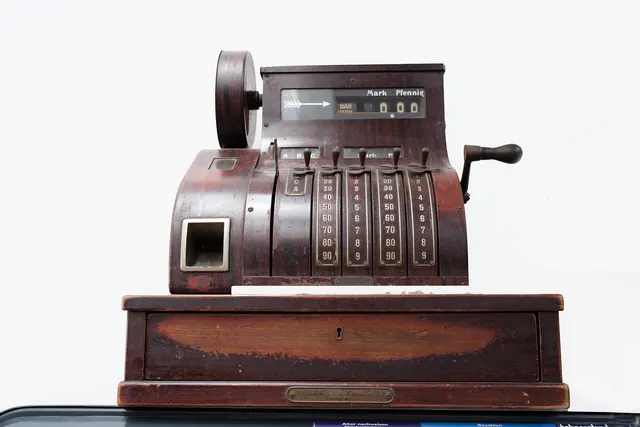
Photo: Pixabay
On this page 6 sections
Key takeaways
- Your acquirer assigns MCC 5933, not you, and every authorization carries it to the customer's bank.
- Many pawn declines come from issuer fraud models or category blocks set by employers and cardholders, so a generic decline doesn't mean the card is bad.
- Separate MIDs are fine when the underwriter knows what runs through each one and the code matches the business. Using one to dodge declines is miscoding.
- Miscoding usually ends with termination, held funds and a possible MATCH listing, and it doesn't fix declines anyway.
MCC 5933 is the merchant category code the card networks use for pawn shops. Your acquiring bank assigns it when it boards your merchant account. From then on, every authorization you send tells the customer's bank that the sale happened at a pawnbroker. Issuers use that label to score the transaction for fraud. Cardholders and employers use it to block spending, and processors use it to price your account. The code affects both your approval rate and your fees.
The pawn shop MCC code isn't a problem to engineer around. It's a fact about your business that the whole card system reads. Shops that understand what it signals can cut avoidable declines. They can also avoid the one mistake that ends merchant accounts: running sales under a code that doesn't match the business.
What MCC 5933 Is and Who Assigns It
A merchant category code is a four-digit number that describes a merchant's primary line of business. Visa and Mastercard each publish merchant data documentation that defines the codes and tells acquirers how to assign them. Your acquirer is the bank that sponsors your merchant account. It, or the processor working for it, sets the code during underwriting. It bases the choice on your application, your licenses, your website and sometimes a site inspection.
You don't pick the code, and you can't change it at the terminal. It's attached to your merchant ID (MID) and travels with every authorization and settlement record.
The code describes the business as a whole. Say a pawn shop sells a used guitar, a diamond ring and a cordless drill in one afternoon. All three are still pawn shop sales. To an issuer, the merchant category code for a pawn shop suggests secondhand goods, collateral lending, cash-like items such as gold and coins, and possibly firearms. That's an accurate description of most pawn businesses, and it's why the code gets more scrutiny than a general retail code would.
How Issuers and Card Programs Treat Pawn Shop Transactions
The customer's bank sees the MCC in real time, before it approves or declines. It uses the code in several ways.
Fraud scoring. Stolen cards are often used to buy items that resell quickly for cash, and jewelry and electronics top that list. A high-ticket purchase at a pawn MCC can push an issuer's fraud model toward a decline. That's especially likely on a card the customer rarely uses in person, and it can happen even when the cardholder is standing at your counter.
Spending controls. Corporate and purchasing card administrators commonly block merchant categories that have nothing to do with the employee's job, and pawn shops are an easy category to exclude. Many consumer banks also let cardholders block categories from their banking apps. Prepaid and benefit cards may be limited to approved categories entirely.
Rewards and interchange. Card issuers decide which categories earn bonus rewards based on MCC. A customer expecting "jewelry store" points may not get them. Interchange, the fee the issuer earns on each sale, also depends partly on MCC. A few categories have their own interchange programs. Pawn shops generally price on standard retail tables, but confirm what your statement shows.
Your processor's markup, reserve and monthly fees are a separate matter. They're one company's pricing, not network rules. Many acquirers keep pawn shops on a restricted or high-risk list because of stolen-goods exposure, lending regulation and firearms, and they price that risk into the account. Our breakdown of pawn shop credit card processing fees shows which parts of your statement come from the networks and which come from your processor.
Why Some Customer Cards Decline at Pawn Shops
Most declines at a pawn counter fall into a few buckets. The issuer's fraud model flagged the sale. The cardholder or their employer blocked the category. A prepaid program doesn't allow it. Or it's an ordinary problem, such as a credit limit or insufficient funds. Keyed transactions can also fail on address or security-code checks that a tapped or dipped card would have skipped.
The decline message gives you a clue. A generic "do not honor" means the issuer said no without saying why, which often points to a fraud rule. A "transaction not permitted" message more often points to a restriction on the card or the category. Neither one means the customer did anything wrong.
Illustrative example. Assume a customer taps a Visa credit card for a $2,400 estate diamond ring on a Saturday afternoon, and it returns "do not honor." Running it three more times won't help, and repeated retries tend to make an issuer's fraud model more suspicious. A better sequence: ask the customer to check their banking app for a fraud alert or call the number on the back of the card. Once they've confirmed the purchase, retry once. If it still fails, offer another card or debit with a PIN.
One response is never acceptable: splitting the $2,400 into smaller charges to slip under a threshold. Splitting one sale into multiple transactions violates card network rules, and processors watch for the pattern.
Track your declines by card type and ticket size. If your pawn shop software can export decline reasons, a month of data will show what kind of problem you have. It might be an issuer problem, a keyed-entry problem or a setup problem your processor should fix.
Jewelry, Firearms and Loan Payments Under One Code
Pawn shops run several businesses through one counter. That's what makes the 5933 classification for pawn shops complicated in practice.
Retail sales of forfeited collateral are the core card business: jewelry, tools, electronics, musical instruments. Gold buying mostly runs the other direction. You pay the seller in cash or by check, so it rarely touches your merchant account. If you sell bullion or coins to customers by card, tell your processor. Those items are cash-like and get extra scrutiny.
Firearms bring their own layer. Firearms sales carry federal and state licensing requirements, so confirm what applies to your shop with the ATF and your state. How a separate firearms merchant code is used has also become a legal question that varies by state. Ask your processor how it handles firearms sales from a pawn MID where you operate. MannyPay's page on firearms payment processing covers what underwriters look at in that category.
Loan payments raise the most questions. Interest payments, renewals and redemptions are part of the pawn business, so they belong under the pawn code. Whether you can accept credit cards for them depends on three things: your state's pawn law, your acquirer's approval, and network rules on paying debt by card. State law may also govern what fees you can add. Disclose loan payments on your application. Confirm the rules with your acquirer and a qualified attorney before you start taking cards for them.
When Separate MIDs for Separate Business Lines Are Legitimate
Separate MIDs are common and often smart. The test is simple: the underwriter knows exactly what runs through each MID, and each code matches what's actually sold there.
| Situation | Is a separate MID legitimate? |
|---|---|
| Second MID for loan payments, same pawn code, disclosed for cleaner reporting | Yes, a common setup |
| Separate storefront selling only new jewelry, no loans, its own books, disclosed and approved | Can be, with its own correct code |
| Online store selling forfeited pawn inventory | Depends on the acquirer; disclose where the inventory comes from |
| Running counter jewelry sales through a jewelry MID to avoid declines | No. This is miscoding |
| Processing sales through another business's merchant account | No. This is transaction laundering |
The jewelry storefront case trips people up. A genuinely separate jewelry store can carry a jewelry code if it has its own address, inventory and staff. That holds even if the same owner runs a pawn shop down the street, as long as the acquirer approved both and knows they're related. The same rings sold from the pawn counter are still pawn sales, whatever MID you route them through. If you're unsure, ask before you process, not after. Our page on jewelry and diamond payment processing covers how underwriters view that category.
Why Miscoding Your Shop Leads to Termination
Acquirers are responsible to the networks for the accuracy of the merchants they board. Say a pawn shop is found processing under a jewelry or general retail code. The network can penalize the acquirer. The acquirer then protects itself the only way it can: it ends the account.
Detection is routine. Acquirers use monitoring services that review websites, make test purchases and compare transaction patterns against the stated business. A "jewelry store" whose descriptor, website or ticket mix looks like a pawn shop stands out.
What follows termination is usually worse than the declines you were trying to avoid. The acquirer may hold your funds to cover future chargebacks. It may also add your business and its owners to Mastercard's MATCH list. Other acquirers check that database of terminated merchants before approving an account, so a listing can keep you from getting a new merchant account for years. Misstating your business on an application can also breach your processing agreement on its own.
Miscoding doesn't even solve the problem. Issuer fraud models weigh far more than the category code, including merchant name, location and the card's own history.
The accurate path works better over time. Choose a processor that boards pawn shops knowingly. Keep your pawnbroker license, any FFL, seller-ID procedures and law-enforcement reporting practices ready for underwriting. Make sure your billing descriptor shows a name customers will recognize. Our guide to why pawn shop merchant accounts get declined walks through that file in detail. MannyPay offers high-risk merchant accounts and works with pawn shops as an industry it serves.
This is general information, not legal advice. Pawn, lending and firearms rules vary by state, so confirm your situation with a qualified professional.
Your next step is to pull your latest processing statement, or call your processor, and confirm the MCC on every MID you have. Then check that each business line is disclosed and matches its code. That includes loan payments, firearms and online sales. If anything doesn't line up, fix it with your acquirer now. If you'd like a second look at how your account is set up, you can request a free processing quote, and a MannyPay specialist will respond within one business day.
This article is for general educational purposes and is not legal, tax or financial advice. Card network rules and state laws change; confirm current requirements for your business.