Card Readers for Psychic Fairs and Tarot Booths: A Mobile Setup
Choose a tarot reader card reader that stays online at crowded psychic fairs, and set up receipts that head off next-day disputes.
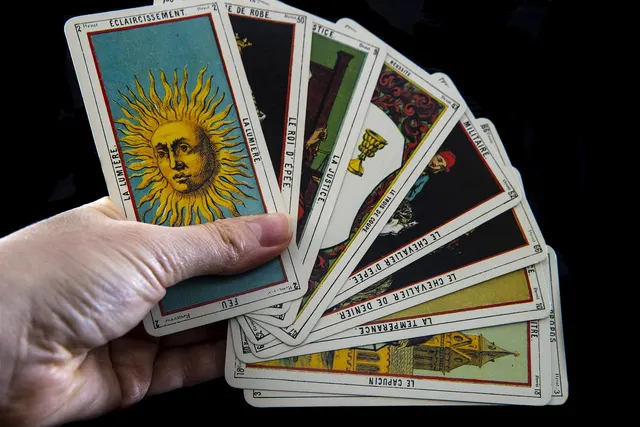
Photo: Pixabay
On this page 6 sections
- Choosing a Tarot Reader Card Reader for Fairs and Parties
- Connectivity Options in Convention Halls and Outdoor Events
- Mobile Payments at the Tarot Booth: Pricing Timed Sessions
- Tips and Add-Ons Without Extra Disputes
- Offline Mode Risks for High-Volume Event Days
- Receipts and Descriptors Clients Recognize Later
Key takeaways
- Get the merchant account approved for in-person event sales before you buy hardware. Send your processor your fair calendar so a busy Saturday is less likely to prompt a review.
- Rely on two connections you control: the terminal's cellular service and a phone hotspot on a different carrier. Test both with a small sale at load-in.
- The fixed per-sale fee takes the biggest bite out of cheap short sessions, and an extension pays it a second time. Steer clients toward the longer session up front.
- Offline mode can leave you with finished readings and no money. Cap it or switch it off, and make your billing descriptor match your booth sign.
For a reader who works fairs and private parties, the best tarot reader card reader is usually a handheld terminal with its own cellular connection, backed up by a hotspot on your phone. A Bluetooth reader paired to your phone is fine for lighter days. The hardware matters less than most people expect. Whether you keep the money depends on the account behind the device and on two habits: pricing sessions so card fees don't swallow the small ones, and making sure clients recognize your charge when their statement arrives.
Choosing a Tarot Reader Card Reader for Fairs and Parties
Event readers mostly choose between two kinds of hardware.
Phone-paired readers are small devices that connect over Bluetooth to an app on your smartphone. The Clover Go and the SwipeSimple B250 are examples. They're light and cheap to buy, but they depend entirely on your phone. If its battery or signal gives out, your checkout goes down with it. These suit a reader who does a couple of private parties a month.
All-in-one handheld terminals have their own screen and processor. Many models also include a receipt printer or a cellular option. The Clover Flex 4G and the PAX A920 Pro belong to this group. You can turn the screen toward the client for a tip prompt and send a receipt without picking up your phone. That independence earns its cost over a full fair weekend with a steady line.
Check the spec sheet for the exact model rather than assuming it does what you need. Make sure it accepts both chip and contactless taps and can show a tip prompt on screen. You also want to create named items such as "15-Minute Tarot Reading," because that label prints on the receipt and becomes your record of the sale. At a busy booth, sending receipts by text or email matters more than a printer. You can compare devices on our mobile card terminals page. If you also run a shop or reading room, a countertop setup may serve you better between events, and our guide to metaphysical shop POS for crystal retail and reading rooms covers that side.
Your Account Has to Match How You Sell
The terminal is only as reliable as the account behind it. Processors treat psychic services as higher risk because disputes over intangible services are hard to defend. The large app-based platforms each publish their own terms on this. Read where the big app-based processors stand on psychic readings before you build your booth around one of them. A high-risk merchant account that discloses in-person event sales at application takes more paperwork. In return, it's less likely to freeze when your volume jumps.
That jump is predictable, so warn your processor before it happens. Picture a reader who normally runs a handful of sales a week and then processes several times that in one Saturday. To a risk team, that looks unusual, and unusual volume can lead to a review or a hold on your deposits. Send your event calendar ahead of time.
Never run your sales through another vendor's terminal. Never let a neighbor at the fair use yours when their device dies, either, however kind it feels. Card network rules generally bar a merchant from processing payments for a different business unless that arrangement is registered. Breaking that rule can end your account and get you listed on an industry database that other processors check when you apply. Ask your processor about the specifics before you're tempted.
Connectivity Options in Convention Halls and Outdoor Events
Most psychic fair payment problems turn out to be signal problems. Every vendor shares the convention hall Wi-Fi, and it often slows to a crawl once the doors open. Many venue networks also use a sign-in page, called a captive portal, that a payment terminal can't click through. Indoors, steel construction and basement ballrooms can block cellular signal. Outdoors, a festival crowd's phones can overload the nearest tower by midafternoon.
Build your plan on two connections you control. The first is the terminal's own cellular service, if your model has one. The second is a hotspot from your phone on a different carrier, so a single carrier's dead zone can't take out both. Use the organizer's vendor Wi-Fi only as a fallback. Even then, connect only if it's password-protected and has no sign-in page. Keep card traffic off open public networks entirely.
Before the event, ask the organizer whether vendor Wi-Fi exists and how vendors log in. At load-in, run a small test sale on each connection and void it before the batch closes. Power fails more quietly than signal does. Bring a charged power bank and ask whether your booth fee includes an outlet, because a terminal that dies in the middle of a line ends your day early.
Mobile Payments at the Tarot Booth: Pricing Timed Sessions
Set up each session length as its own item on the terminal. Checkout then takes two taps, and the receipt states exactly what the client bought, which matters if anyone disputes the charge later.
Charge before the reading starts. Prepayment prevents walk-offs and spares you from asking for money after an emotional session. If a client wants more time, ring up a separate extension item rather than editing the original sale.
Card pricing usually has two parts: a percentage of the sale and a fixed fee per transaction. The percentage scales with the ticket. The fixed fee doesn't. It's the same dollar amount on a quick 10-minute draw as on a 30-minute reading, so it eats a bigger share of the cheap one. Double the price of a session and the fixed fee's share of that sale is cut in half. Your actual figures depend on your processor and plan, so pull them from your pricing schedule or a recent statement before you set prices.
Two decisions follow from that. A very low-priced short tier may barely pay once the fixed fee comes out. Either price it with the fee in mind or treat it as a quick draw you'd rather take in cash. Extensions are the second leak. A client who books 15 minutes and then extends creates two transactions and pays the fixed fee twice, while one who books 30 minutes outright pays it once. Show the longer session first and make its per-minute value obvious on your price board. That helps your margin and saves the client a second tap.
If fees still sting, a dual pricing program lists a cash price and a card price side by side. Surcharging is another route where state law permits it. Both carry disclosure and signage rules that vary by state, so confirm the current requirements with your processor before you print your price board.
Tips and Add-Ons Without Extra Disputes
Turn on the terminal's tip prompt so the tip lands on the same transaction as the reading. One sale means one fixed fee and one line on the client's statement.
Add-ons need more thought. A recording of the reading or a crystal from your table is an ordinary sale, but selling physical goods can create a sales tax obligation. Some states tax the readings themselves as well. Check whether psychic readings are taxable in your state and confirm with a tax professional, since this article is general information and not tax advice. Leave off any add-on that promises an outcome, such as cleansing or removal work. Those draw the heaviest processor scrutiny, as our piece on why processors shut down curse removal fees explains.
When the Party Host Pays
Taking cards at a metaphysical fair is mostly one client, one sale. A private party works differently, because one host usually pays for readings for a room full of guests. Agree on the terms in writing before the date:
- Hours booked and the flat rate for them
- Overtime rate if the line runs long
- Travel fee, if you charge one
- Deposit amount and cancellation terms
Collect the deposit when the host signs, using a virtual terminal for deposits and invoices. Take the balance at the event on your handheld, with the host's card tapped or inserted. A card-present sale is stronger evidence than a keyed one if the host later disputes it.
Decide ahead of time whether guests pay anything themselves. If the host's fee covers the readings, the only thing a guest should see on your card reader for psychic events is a tip prompt. Charging a guest for a reading the host already paid for invites a dispute from both of them.
Offline Mode Risks for High-Volume Event Days
Many terminals offer an offline or "store-and-forward" mode. When the connection drops, the terminal accepts the card, stores the transaction and sends it for authorization once it reconnects. The card issuer hasn't approved anything at the moment of sale. If the card declines later, whether for lack of funds or because it was reported stolen, you've already given the reading and hold nothing for it. You also start from a weak position in any dispute over a sale that was never authorized.
Picture the hall Wi-Fi failing for most of a Saturday afternoon while your hotspot can't find signal. You keep reading and keep tapping cards, and a long run of sales piles up inside the terminal. When the connection returns and the batch uploads, every card that declines is a reading you gave away. If you didn't take contact details, you have no way to follow up.
Settle these questions before the event:
- Whether to enable offline mode at all, given how strong your connectivity plan is.
- A per-sale cap and a total cap, if your terminal supports them, so one outage can't pile up a large balance of unauthorized sales.
- What happens with larger tickets during an outage, such as asking for cash or waiting for signal on anything above your cap.
- When stored sales get forwarded. Do it the moment a connection returns, before you close the batch, and get an email or phone number for every offline sale.
Receipts and Descriptors Clients Recognize Later
The charge a client disputes on Monday is often one they simply don't recognize. A billing descriptor is the business name that appears on the cardholder's statement. Suppose your account is registered to "JDR Holdings LLC" while your booth sign says "Moonlight Tarot." The client sees a stranger's name and calls the bank to report fraud. Ask your processor to set your descriptor to the name on your sign. If your account allows it, add a city or a customer-service phone number. Descriptors have tight character limits, so run a test transaction and see how yours actually prints.
Then let the receipt fill in what the descriptor can't. Put your booth name on it exactly as it appears on your sign, along with the event name and date. List the session by its item name, such as "30-Minute Tarot Reading." Add your contact details and one line stating your refund policy. Send the receipt by text or email so the client has it when the statement arrives, and post the same policy at the booth. Our guides to refund policies that hold up in disputes and winning "the reading was wrong" chargebacks cover the wording and evidence that matter.
Before your next fair, run one test sale on your own card and check your statement. If it doesn't show the name on your booth sign, fix that first. If your current account can't support event sales at all, request a free quote and a MannyPay specialist will respond within one business day.
This article is for general educational purposes and is not legal, tax or financial advice. Card network rules and state laws change; confirm current requirements for your business.