Other Tobacco Products Tax: Per-Ounce vs. Wholesale Rates in Your POS
Learn how other tobacco products tax by state works for cigars, pipe tobacco and snuff, and how to set up POS items so receipts and filings match.

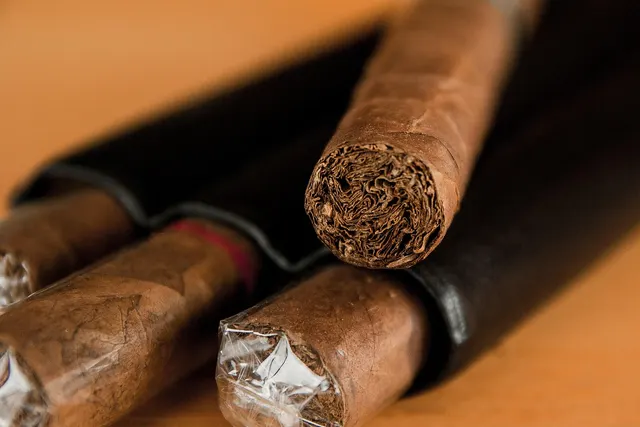
Photo: Pixabay
On this page 8 sections
- Why OTP Tax Works Differently From Stamped Cigarettes
- How Other Tobacco Products Tax by State Is Calculated
- Who Pays the OTP Tax: Distributor-Paid vs. Retailer-Remitted States
- Tobacco Excise Tax POS Setup: Building OTP Items That Match Your Filings
- Cigar Tax by State: Premium Caps and Little Cigar Rules
- Reports and Invoices to Keep for a State Tobacco Tax Audit
- Where Card Processing Fits In
- Next Steps
Key takeaways
- States tax OTP by weight, by unit or as a percentage of wholesale price, and one state may use different methods for different products.
- In many states the distributor pays OTP tax, but a retailer can become liable when buying from an unlicensed or out-of-state supplier.
- OTP excise usually belongs in your item cost and shelf price, not in a register tax line, so POS item fields need to capture weight, category and tax-paid status.
- Audits usually start with purchase invoices, so keep supplier records, receiving logs and POS category reports in one place.
If you sell cigars, pipe tobacco, moist snuff or chewing tobacco, the other tobacco products tax by state affects your cost, your shelf price and your recordkeeping. This tax works differently from the cigarette tax most owners know well. This guide explains how states usually tax other tobacco products (OTP), who is responsible for paying, and how to build those rules into your POS. The goal is for receipts, reports and any state filings to show the same numbers.
This article is general information, not tax or legal advice. OTP rates, definitions and filing duties change often and vary widely by state. Confirm current rules with your state revenue department and a qualified tax professional before you change pricing or filings.
Why OTP Tax Works Differently From Stamped Cigarettes
In most states, cigarettes are taxed per stick, and a stamp on each pack shows the tax was paid. A licensed stamping agent buys the stamps, applies them and builds the tax into the price you pay. When you scan a pack, the excise has already been paid.
Other tobacco products usually don't carry a stamp. The tax is calculated differently, and it is often paid at the distributor level and recorded on an invoice instead of on the package. As a result:
- No stamp on the shelf proves the tax was paid. Your purchase invoices serve as that proof.
- One store can carry products taxed under several different methods.
- A product's category under state law, such as "cigar," "little cigar," "pipe tobacco" or "moist snuff," can change how it is taxed.
Mixed categories, products from unfamiliar suppliers and loosely configured POS items all make OTP tax errors more likely.
How Other Tobacco Products Tax by State Is Calculated
Most states use one of three tax bases for OTP, and many use a mix of them.
Per-Ounce Taxes on Moist Snuff, Chew and Pipe Tobacco
Some states tax smokeless products by net weight. Some also tax pipe or roll-your-own tobacco this way. A moist snuff tax per ounce is the most familiar version. Watch for these details:
- The tax is based on the net weight printed on the package. Your POS needs that weight for each item, not only the item name.
- Some states set a minimum tax per container, so a small tin can owe more than its weight alone would suggest.
- Rounding rules for partial ounces differ from state to state.
Per-Unit Taxes on Cigars and Little Cigars
Some states tax cigars per cigar, sometimes at different rates by size, weight or price. Little cigars are often treated separately, and some states tax them the same way as cigarettes. A single, a five-pack and a box of 25 of the same brand can each owe a different total. Your POS has to know how many cigars are in each sellable unit.
Percent-of-Wholesale Taxes
Many states tax OTP as a percentage of the wholesale price. Depending on the state, "wholesale price" might mean the manufacturer's list price, the distributor's purchase price or another defined figure. Some states tax pipe tobacco this way. Because the tax rises with cost, a price increase from the manufacturer also raises your tax-inclusive cost.
Why the Same Product Can Be Taxed Three Different Ways
The table below shows how the math differs. All rates and prices are illustrative only and are not any state's actual rates.
| Product (illustrative) | Tax base | Illustrative rate | Illustrative tax per unit |
|---|---|---|---|
| Moist snuff tin, 1.2 oz net | Per ounce | $1.00 per oz | $1.20 |
| Cigar 5-pack | Per cigar | $0.10 per cigar | $0.50 |
| Pipe tobacco pouch, $10 wholesale | Percent of wholesale | 20% | $2.00 |
If you have stores in more than one state, the same tin of snuff can follow one rule in one store and a different rule across the state line. Newer categories such as nicotine pouches add another layer, because states don't all classify them the same way. Our guide to nicotine pouch age and tax rules covers that category in more detail.
Who Pays the OTP Tax: Distributor-Paid vs. Retailer-Remitted States
Federal tobacco excise tax is generally paid upstream by manufacturers and importers. For retailers, the question is who pays the state OTP tax.
Distributor-paid model. In many states, a licensed distributor owes the tax when it first brings OTP into the state or first sells it there. The tax is built into the price you pay, and the invoice should show it was paid. Your main duties are to buy only from licensed sources and to keep those invoices.
Retailer-remitted situations. Even in distributor-paid states, you may owe the tax yourself if you:
- Buy OTP directly from an out-of-state supplier that isn't licensed in your state.
- Import products yourself, such as cigars bought on a trip or ordered directly from a manufacturer.
- Buy from a supplier whose invoices don't show the tax as paid.
When that happens, you may need an additional license and a regular return. The tax is usually based on what you purchased, not what you sold. Before you buy from a new supplier, confirm it holds the right state license, and ask your tax advisor whether the purchase makes you liable.
Tobacco Excise Tax POS Setup: Building OTP Items That Match Your Filings
Your POS won't file taxes for you, but it can give you clean data to support them. A good tobacco excise tax POS setup starts with item-level detail. If you're still choosing a system, our guide to the best POS for smoke shops covers pack, carton and age-lock features. MannyPay also offers POS systems for tobacco retailers. Whatever system you consider, confirm that it supports custom item fields and reports by category before you commit.
Fields to Add to Every OTP Item
Use custom fields or item attributes to record:
- State tax category, using your state's definitions (cigar, little cigar, pipe tobacco, roll-your-own, moist snuff, chewing tobacco and so on).
- Tax base: per ounce, per unit or percent of wholesale.
- Net weight in ounces, taken from the package.
- Unit count per sellable item, such as a single, 5-pack or box.
- Wholesale cost from the latest invoice.
- Excise paid per unit, if your distributor breaks it out.
- Supplier and license number, so you can trace each item to a licensed source.
Create separate SKUs for singles, packs and boxes, and link them to an inventory parent so counts stay accurate.
Keep Excise in the Shelf Price, Not the Tax Line
In a distributor-paid state, OTP excise is part of your cost, just as it is with stamped cigarettes. Don't add it at checkout as a separate tax line. Doing so would collect the tax a second time and give customers a receipt that doesn't match how the state treats the item.
Sales tax is a separate tax that usually applies at the register, so set it up as its own tax rate. Then confirm with your state whether sales tax is calculated on a price that already includes excise.
Pricing programs also come into play here. If you use a cash discount or dual pricing, set it up so posted prices still comply with state law. Our guide on cash discount setup for tobacco shops explains common pitfalls. For cigarettes, also review minimum price laws in your POS.
Receiving Purchases Is Where Tax Liability Starts
Because OTP tax usually depends on purchases, the receiving screen in your POS matters as much as the register. When a delivery arrives:
- Enter it against the supplier's invoice number.
- Mark whether the invoice shows the tax as paid.
- Flag any product from a supplier that isn't licensed in your state.
A purchase report filtered by tax category and supplier then becomes the starting point for any return you owe.
Cigar Tax by State: Premium Caps and Little Cigar Rules
Cigars come with more special rules than most other OTP products.
Premium cigar caps. Some states limit the tax on each cigar so that a high-priced cigar doesn't owe a very large percentage-based tax. States define "premium" in different ways, such as hand-rolled, a certain wrapper type or a minimum wholesale price. If your state has a cap, mark in your POS which SKUs qualify and why. That way, a price change won't quietly move a product into a different category.
Little cigars. Some states classify small, filtered cigars by weight or design and tax them like cigarettes, sometimes with stamps. Don't group these items with your other cigars in the POS just because the brand also makes larger cigars.
Flavor restrictions. Some states and cities limit flavored cigars, so tax category isn't the only setting that matters. Our guide to locking flavored tobacco SKUs by state walks through setup steps. If you sell cigars online, premium cigar online sales rules add further state requirements.
Reports and Invoices to Keep for a State Tobacco Tax Audit
A state tobacco audit usually compares what you bought and sold against what was taxed. Keep these records organized and easy to retrieve:
- Supplier invoices showing tax paid, with the distributor's license details.
- Receiving logs from your POS that match each invoice.
- Monthly purchase reports by tax category and supplier.
- Sales reports by tax category, so the volume you sold lines up with what you bought.
- Inventory counts, including shrink, damaged product and returns to suppliers.
- Credit memos for returned product, especially if tax was refunded or credited.
- Records of out-of-state or direct purchases, along with any tax you paid on them.
Required retention periods vary by state, so confirm how long you must keep these records. If you take part in manufacturer programs, the same clean item data also supports tobacco scan data reporting.
Where Card Processing Fits In
Tax setup and payment processing are connected. Because OTP excise raises your average ticket, card fees apply to the tax dollars as well as your margin. Clean item categories also make your business easier to explain during underwriting.
MannyPay works with tobacco and cigarette retailers on POS hardware and merchant accounts. It also offers cost programs such as cash discount, dual pricing and surcharging where permitted. Approval and terms depend on underwriting, and results vary by business.
Next Steps
- Pull your OTP item list and tag each SKU with its state tax category and tax base.
- Add net weight, unit count and supplier license fields to every OTP item.
- Confirm that OTP excise is built into item cost and not charged as a register tax.
- Check each supplier's license and flag any purchases that could make you liable for the tax.
- Review your setup with a tobacco tax professional and your state revenue department.
If you're upgrading hardware or reviewing processing costs at the same time, request a free processing quote. A MannyPay specialist will respond within one business day.
This article is for general educational purposes and is not legal, tax or financial advice. Card network rules and state laws change; confirm current requirements for your business.