Selling Cannabis Seeds Online: Can You Take Credit Cards?
Selling cannabis seeds online? Learn how payment processing works for seed banks, what underwriters check, and which checkout rules protect your account.

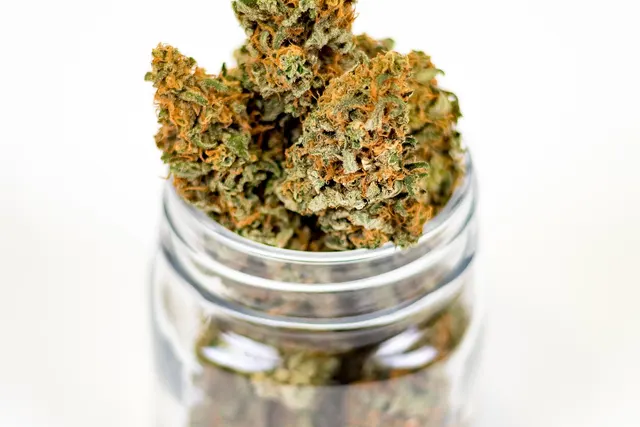
Photo: Pixabay
On this page 6 sections
- Hemp Seed Legality: Are Cannabis Seeds Hemp?
- How Card Networks and a Seed Bank Payment Processor Weigh the Risk
- Website Disclaimers and Listings Underwriters Look For
- State Shipping Restrictions to Enforce at Checkout
- Payment Options for Selling Cannabis Seeds Online, Compared
- When the Federal Hemp Definition Moves, Card Acceptance Moves With It
Key takeaways
- Seed bank card processing rests on the argument that low-THC seeds are hemp, and approval depends on finding an acquirer that underwrites the category.
- Congress can change the federal hemp definition. Before you apply or renew, get counsel's written read on your catalog under the current text.
- A "souvenir only" line beside grow guides reads as a cover story. Accurate listings and a buyer-responsibility statement hold up better in review.
- Reserves fill fastest during the spring rush, so fund winter inventory without counting on money the bank is holding.
Some seed banks take credit cards, but almost none do it through a mainstream processor. Seed sellers that accept Visa and Mastercard work through a high-risk merchant account with an acquiring bank that has chosen to underwrite the category. Payment processing for selling cannabis seeds online rests on one legal argument: a seed that meets the federal THC limit for hemp is hemp, not marijuana. That argument holds only while the federal hemp definition supports it, and Congress can rewrite that definition. Approval comes down to two things. Your catalog has to fit current law, and your checkout has to keep orders out of places where the sale is illegal.
This article is general information, not legal advice. Cannabis and hemp laws differ by state and change at the federal level. Confirm your situation with a qualified attorney.
Hemp Seed Legality: Are Cannabis Seeds Hemp?
Federal farm legislation removed hemp from the federal definition of marijuana. It drew the line between the two by THC concentration. A cannabis seed carries very little THC, even when it comes from a high-THC strain, because THC builds up in the flowering plant and not in the seed. Seed banks built their business on that point. The argument goes like this: if the seed tests under the federal limit, it is hemp, whatever the mature plant would become.
That argument has a weak spot that processors focus on. Growing the seed into a high-THC plant is still marijuana cultivation under federal law. State rules on home grows range from legal for adults to criminal. The sale and the use the customer has in mind sit on opposite sides of the law in much of the country.
The argument also depends on statutory text that Congress controls. Lawmakers revisit hemp in farm and spending bills. Any rewrite of the definition reaches seeds directly, because seeds from high-THC genetics are the clearest case where the hemp label and the end use part ways. A reading you got from counsel last year is not good enough. Before you apply or renew, ask counsel three questions in writing:
- What does the federal hemp definition say about seeds today?
- Has Congress enacted a change that hasn't taken effect yet?
- Which products in your catalog fall clearly inside the definition?
Your underwriter will ask the same things.
How Card Networks and a Seed Bank Payment Processor Weigh the Risk
Three parties decide whether you can take cards, and each one looks at something different.
The card networks set the outer limits. Their rules hold acquiring banks responsible for what their merchants sell, so an illegal transaction is the bank's problem first. That puts the bank in charge of the decision.
The acquiring bank sets its own risk appetite. Plenty of banks exclude anything tied to cannabis, legal hemp included, because the legal ambiguity and brand risk outweigh the revenue. Others accept hemp products but stop at seeds. Seed marketing celebrates high-THC genetics, and buyers plant the seeds to grow marijuana. Every round of debate over the federal definition pushes more banks toward that second position.
The processor or ISO carries your application to banks that accept the category and manages the account day to day. Expect a cannabis seed bank merchant account to cost more than low-risk processing. Expect a rolling reserve, volume caps and periodic site reviews too. Those terms are the bank's and processor's pricing, not network rules. A clean track record gives you grounds to renegotiate them.
Seed banks also draw their own kinds of disputes. Customers file chargebacks when seeds don't germinate, and international orders seized at customs end the same way. Your merchant category code has to describe what you sell. Applying as a garden supply store to avoid scrutiny is miscoding. It puts you at risk of landing on the MATCH list, the industry file acquirers check before they open an account. A MATCH listing keeps a merchant out of card processing for years.
Size Your Rolling Reserve Before the Spring Rush
Reserve terms come from your bank and processor, so pull the numbers from your own agreement and run this calculation before you sign. When the reserve is full, its balance equals your holdback rate, times the number of months each holdback is held, times your monthly card volume. Use your actual percentage, hold period and expected sales. A modest-looking percentage held for several months ties up a large share of a month's revenue at all times.
Seasonality makes the squeeze worse. Outdoor growers order in late winter and spring, so your biggest months add the most to the reserve. That money comes back months later, after the season you needed it for. If you buy breeder stock and packaging in winter for the spring rush, fund that purchase as if the reserve didn't exist. Once you've run a stretch with low chargebacks, ask in writing for a reserve review.
Website Disclaimers and Listings Underwriters Look For
Underwriters read your whole site the way a regulator would. These are the items they check:
- A hemp compliance statement that names the legal basis for your sales. Keep it current with the federal definition and back it with lab results on representative lots.
- An age gate on entry and an age check at checkout, with the minimum age set on counsel's advice.
- A restricted-locations list that matches what your checkout actually blocks.
- Written refund and germination-guarantee policies, plus a real business address and phone number.
- A billing descriptor that matches your site name, so customers recognize the charge instead of disputing it.
The most common red flag is a "for souvenir or collection purposes only" line sitting next to grow guides and feeding schedules. To an underwriter, that pairing reads as a cover story. A cover story tells the bank the merchant knows the stated purpose is false. Describe your products accurately and state that buyers are responsible for following the laws where they live. That approach holds up better in review.
Advertising "stealth" packaging meant to slip past customs will hurt your application. So will promising delivery to countries that prohibit seeds. Health or medical claims about strains are a separate problem. Listing clones or THC flower beside your seeds moves you into a different risk category, and one listing is enough to sink the account. If you're weighing that move, read what selling Delta-8 and THCA online involves first.
State Shipping Restrictions to Enforce at Checkout
State law doesn't track the federal hemp definition consistently. Some states treat seeds more strictly than federal law does, and home cultivation is legal for adults in some states and a crime in others. Have counsel review a state-by-state list, and put a date on every review. Refresh the list before late winter, when spring orders start.
Then build your checkout to enforce the list:
- Block restricted states at the shipping-address step, before the customer reaches payment.
- Flag orders where the billing state is open but the shipping state is restricted, and review them by hand.
- Block known reshipping and freight-forwarding addresses, because they route seed packs into restricted states.
- Set your international policy country by country. An order that's legal where you ship from is still illegal if the buyer's country bans seeds, and customs seizures turn into chargebacks.
- Cancel and refund any restricted order that slips through instead of shipping it. A refund costs far less than a compliance finding.
Keep one limit in mind. A state list works only while your seeds qualify as hemp federally. A seed outside the federal definition is a problem in every state, and no checkout rule fixes it.
For card-not-present fraud, 3-D Secure authentication shifts liability for qualifying fraud disputes to the card issuer under network rules. It also leaves a record of cardholder verification you can use when a dispute arrives. Our guide to using 3D Secure without losing online sales explains how to apply it selectively.
Payment Options for Selling Cannabis Seeds Online, Compared
Most seed banks need more than one way to get paid, because accounts get reviewed and caps get hit.
| Option | How It Works | Cost and Risk | What to Watch |
|---|---|---|---|
| High-risk card merchant account | Visa and Mastercard through an acquirer that accepts seeds | Higher rates than low-risk processing; reserves are standard | Site content must match your application |
| ACH / eCheck | Customer authorizes a debit from a bank account | Pricing set by the ACH provider; returns arrive after you've shipped | The ACH provider underwrites the category too |
| Cryptocurrency | Customer pays through a crypto processor | Price swings unless converted at sale; customers must already hold crypto | Crypto processors keep their own restricted lists |
| Bank transfer or money order | Customer pays outside card rails | Low cost, slow to reconcile | Buyers have to leave your checkout to pay |
A practical setup runs cards as the main checkout with ACH behind it. Our article on ACH as a backup payment method for hemp sellers covers the details, and the approach carries over to seed banks. None of these options fixes a legal problem. If a product falls outside the federal hemp definition, ACH providers and crypto processors have the same reasons to refuse it that card acquirers do.
Never run seed sales through another business's merchant account. That is transaction laundering, and it ends both accounts. If you also run a grow shop, keep it on its own account. Hydroponics stores already draw extra scrutiny, and combining the two makes both harder to underwrite.
When the Federal Hemp Definition Moves, Card Acceptance Moves With It
Card processing for seed banks depends on the federal hemp definition. If Congress narrows that definition to exclude seeds from high-THC plants, the core argument behind seed bank card processing stops working for those seeds on the date the change takes effect. Federal hemp law changes through legislation that can pass after this article runs. Ask counsel whether any such change has been enacted and when it applies.
Acquirers act before effective dates, not after them. A bank that tolerated seed banks under the old reading will tighten terms or close accounts ahead of a deadline it sees coming. A closure leaves your reserve held for months afterward.
Don't count on marijuana rescheduling to fill the gap. How federal law schedules marijuana is a separate question from how it defines hemp. Get counsel's view before you assume any rescheduling would open interstate seed sales. Our breakdown of marijuana rescheduling and what it changes for payments covers what it would and wouldn't change for cannabis businesses.
Two conversations matter most right now. First, ask your processor how much notice you'd get before a closure and how long the reserve would be held afterward, and get both answers in writing. Second, ask counsel whether any part of your catalog, such as seeds from low-THC hemp cultivars, falls cleanly within the current definition. That segment is the part a bank is most willing to keep processing.
If you're applying for the first time or replacing a processor that dropped you, get counsel's written view on your catalog first. Then audit your site against the lists above before you apply. MannyPay offers merchant accounts for high-risk businesses, including cannabis-related businesses. Approval depends on underwriting and on whether your products fit the acquiring bank's policy under current law. You can request a free quote, and a MannyPay specialist will respond within one business day.
This article is for general educational purposes and is not legal, tax or financial advice. Card network rules and state laws change; confirm current requirements for your business.