Can Your Filipino Store Offer Padala? Remittance Agent Rules
Learn how to become a remittance agent the legal way, what AML and ID duties come with it, and how padala services affect your store's merchant account.
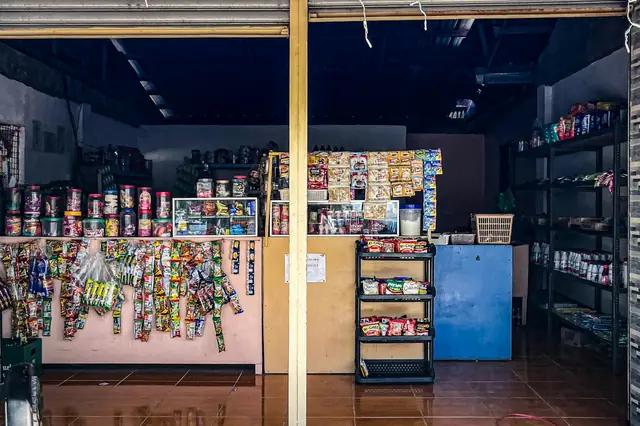
Photo: Unsplash
On this page 8 sections
- Why Filipino Stores Get Asked to Send Padala
- Money Transmitter Licensing: Why You Can't Do It on Your Own
- How to Become a Remittance Agent for a Licensed Company
- Remittance Agent Requirements: AML, ID Checks and Reporting at Your Counter
- Keeping Remittance Cash Separate From Store Sales
- How Remittance Services Affect Your Merchant Account
- Commissions vs. Risk: Is Becoming an Agent Worth It?
- Next Steps
Key takeaways
- Sending money to the Philippines for customers on your own, even as a favor, can count as unlicensed money transmission.
- The legal path is becoming an authorized agent of a licensed remittance company, which runs the core compliance program, but your store may still have its own AML duties.
- Agents typically have to follow ID, recordkeeping and suspicious-activity procedures, and should keep remittance cash completely separate from store sales.
- Tell your processor and bank before you add remittance services, and never run transfer money through your store's card terminal.
If you run a Filipino grocery, bakery, turo-turo or balikbayan box shop, customers have probably asked you to "padala na lang" for them. They want to send money home without a trip to a bank. This guide explains how to become a remittance agent legally and why sending money informally for customers can put your business at serious legal risk. It also covers the compliance duties that come with agent status and how adding remittance services affects your cash handling and your merchant account.
This article is general information, not legal, tax or compliance advice. Money transmission rules differ by state and change over time. Confirm your obligations with a qualified attorney or compliance professional before you offer any remittance service.
Why Filipino Stores Get Asked to Send Padala
Your store is already a trusted place in the community. Customers buy pandesal, ship boxes and catch up on news from home at your counter. When they need to send money for tuition, a relative's hospital bill, a fiesta or typhoon relief, asking you feels natural.
Demand tends to follow a familiar rhythm:
- Paydays and weekends, when workers have cash in hand and time to stop by
- The long Christmas season, which for many Filipino families starts well before December
- Before the school year, when tuition and supplies come due back home
- After typhoons, floods or earthquakes, when families need emergency help fast
Customers usually want simple ways to send money to the Philippines: cash pickup at a pawnshop or remittance center, a bank deposit, or a credit to a mobile wallet. Many trust you more than a big chain, and some prefer to deal in Tagalog, Bisaya or Ilocano.
That trust is exactly why the informal version is tempting, and why it is risky.
Money Transmitter Licensing: Why You Can't Do It on Your Own
Here is the informal setup that gets stores in trouble. A customer hands you cash. You text a cousin in Pampanga, who pays the customer's family from her own money. Later, you settle up with your cousin by bank transfer or by netting it against what she owes you. No one gets hurt, and the money arrives fast.
Legally, though, your store has accepted money from one person and arranged for it to be delivered to another. That is generally what regulators mean by money transmission. Whether you charge a fee, how small the amounts are and whether you see it as a favor may not change that.
What the Rules Generally Require
- State licensing. States generally require a license to engage in money transmission. Licensing usually involves background checks, financial requirements, bonding and examinations. These hurdles are built for dedicated remittance companies, not corner stores.
- Federal anti-money laundering (AML) rules. Money transmitters are generally also subject to federal anti-money laundering rules covering compliance programs, recordkeeping and reporting.
- Serious penalties. Unlicensed money transmission can carry serious civil and criminal penalties at the state and federal level. Ask an attorney about your exposure.
You can't pick up a simple "padala business license" at city hall alongside your food permit. For a store, the realistic legal route is to work under a company that already holds the licenses.
How to Become a Remittance Agent for a Licensed Company
A money transmitter agent store doesn't hold its own transmission license. Instead, it signs an agreement with a licensed remittance company and processes transfers through that company's system, under its rules. The licensed company sends the money and runs the core compliance program: its systems, policies, screening and reporting.
That doesn't mean your store has no obligations of its own. Agents of money transmitters may have their own duties under federal and state anti-money laundering rules, separate from whatever the provider's contract requires. Confirm with an attorney what applies to your store before you start.
Steps to Becoming an Agent
- Shortlist licensed providers that serve your corridor. Look for companies with strong payout coverage in the Philippines, including the provinces where your customers' families live, not just Metro Manila.
- Verify their licenses. Check with your state's financial regulator, which typically offers an online license lookup. Don't rely only on a sales rep's word.
- Apply as an agent. Expect to provide business formation documents, owner identification, background check consent, your business bank account details and information about your location and staff.
- Name a compliance contact. Providers commonly require someone at your store to be responsible for following AML procedures.
- Complete training. Owners and every cashier who handles transfers typically need initial and refresher training.
- Set up equipment and settlement. The provider will explain how its software or terminal works and how it collects the money you take in, often by debiting a designated bank account on a set schedule.
- Post required notices. Providers usually supply signage, fee disclosures and receipt formats. Use them exactly as given.
Ask your attorney whether your state imposes any separate registration, notice, bonding or AML program duty on agents. Ask the provider the same question in writing.
Questions to Ask Before You Sign
- How are commissions calculated, and when are they paid?
- How often do you sweep funds from my account, and what happens if a sweep fails?
- Which compliance tasks do you handle, and which are my store's responsibility?
- Who is liable for a transfer sent to the wrong recipient or lost to a scam?
- What audits or site visits should I expect?
- Under what conditions can you suspend or end the agreement?
Remittance Agent Requirements: AML, ID Checks and Reporting at Your Counter
Becoming an agent doesn't hand all the compliance work to someone else. Your cashiers become the first line of defense against money laundering, fraud and sanctions violations. Core remittance agent requirements usually include the following.
Customer Identification
Follow the provider's ID rules on every transaction, including for regulars and relatives. The system may require ID at certain amounts or for certain destinations. Never skip a step because the customer is a friend, an elderly tita or in a hurry.
Recordkeeping
The provider's system typically captures sender, recipient, amount and ID details. Your job is to enter information accurately and to securely store any paper records that the provider or applicable law requires.
Spotting and Escalating Red Flags
Train staff to notice patterns like these:
- A customer splits a large amount into several smaller transfers, or comes back the same day to avoid an ID check
- One person sends for several "senders," or different senders use the same phone number or address
- A customer seems coached, nervous or unsure who the recipient is
- An older customer is sending repeatedly to someone they met online, which can point to a romance or impostor scam
- Amounts don't fit the customer's apparent situation
When something seems off, follow the provider's escalation process. Don't tell the customer you are reporting them, and never coach anyone on how to stay under a limit. Helping a customer structure transfers can create legal exposure for you and your employees.
Keeping Remittance Cash Separate From Store Sales
Remittance cash is not your money. It belongs to the customer until the transfer completes, and then it's owed to the provider. Mixing it with your daily sales creates accounting headaches and tax confusion. In a dispute or audit, it can also look like you misused customer funds.
| Store Sales | Remittance Funds | |
|---|---|---|
| Who owns it | Your business | Customer or remittance provider |
| Where it's rung | Your POS | Provider's system only |
| Cash drawer | Main register | Separate, labeled drawer or bag |
| Bank account | Operating account | Account designated for provider settlement |
| Your revenue | Full sale amount | Commission only |
Daily Habits That Prevent Problems
- Reconcile every shift. Match remittance cash against the provider's transaction report before staff go home.
- Record only your commission as income. Don't ring the transfer principal into your POS as store sales. Confirm the right accounting treatment with your accountant.
- Deposit on schedule. Make sure the designated account is funded before the provider's sweep, or you may face fees or suspension.
- Tighten cash security. More cash on hand means more exposure to robbery and internal theft. Review safe drops, cameras and opening and closing procedures.
If your POS system for a Filipino-owned shop can track a separate cash drawer or tender type, use it to support reconciliation. Keep the remittance records themselves in the provider's system.
How Remittance Services Affect Your Merchant Account
Adding padala services changes your business profile, so your payment providers need to know about it.
Tell your processor before you start. Your merchant account was underwritten for a grocery, bakery or shipping business. Money transfer is a different activity that is typically classified and risk-reviewed differently under card network rules. Disclosing it up front keeps your account accurate and avoids surprises later.
Never run transfer money through your store terminal. If a customer wants to fund a transfer with a card, that decision belongs to the remittance provider, and the payment must go through its system. Charging the card on your terminal as "groceries" or "shipping," then sending the cash through the provider, is miscoding. It can get your account terminated and your business added to the MATCH list, which makes future card acceptance very difficult.
Expect your bank to ask questions. Higher cash deposits and regular sweeps to a remittance company may prompt your bank to review your account. Answer openly and keep your agent agreement handy.
Keep pricing programs separate. Any cash discount or dual pricing program applies to your store's goods. Remittance fees are set by the provider.
If you also ship boxes, apply the same logic and keep each service's payments clean. See our guide to balikbayan box payments, prepaid boxes and deposits. If a shipment runs into trouble, see how to handle balikbayan box chargebacks and refunds for delayed or lost boxes. For a broader overview, read the Filipino American business payment processing starter guide.
Commissions vs. Risk: Is Becoming an Agent Worth It?
For many stores, the real payoff isn't the commission itself. It's foot traffic. A customer who comes in to send money may buy ube ensaymada, pick up a box, or stock up on sardinas and pancit canton. Commissions are often a share of the transfer fee, and some providers also share part of the exchange margin. Terms vary widely, so compare written offers.
Weigh that against what the service demands:
| Potential Upside | Potential Downside |
|---|---|
| More visits and add-on purchases | Staff time per transaction, especially at peak times |
| A service your community values | Training, audits and ongoing compliance duties |
| Commission income | Larger cash balances and security risk |
| Stronger loyalty | Liability for staff errors or ignored red flags |
| Fit with box shipping and groceries | Possible scrutiny from your bank and processor |
A Quick Self-Check
Becoming an agent likely makes sense if most of these are true:
- Customers ask regularly, not just occasionally.
- You have reliable staff who can follow procedures consistently, even during the Christmas rush.
- You can secure and reconcile extra cash every day.
- You are willing to turn away a friend's transaction when something doesn't add up.
If several answers are "no," a referral approach can serve customers without the compliance burden. Point them to a licensed provider's app or a nearby agent location, and don't take any money yourself.
Next Steps
- Stop any informal sending immediately, and talk to an attorney if you have done it in the past.
- Shortlist licensed remittance providers with strong Philippine payout coverage, and verify their licenses.
- Ask an attorney or compliance professional about state and federal agent duties, including any AML obligations your store carries on its own.
- Tell your processor and bank about your plans before you launch.
- Set up separate drawers, accounts and reconciliation routines from day one.
MannyPay works with Filipino-American businesses on card processing, POS systems and terminals for their store sales. If you are adding services and want your payment setup reviewed, request a free processing quote or contact the MannyPay team. Quote requests get a response from a MannyPay specialist within one business day.
This article is for general educational purposes and is not legal, tax or financial advice. Card network rules and state laws change; confirm current requirements for your business.