Hot Food Counter in a Filipino Grocery: Sales Tax and EBT Rules
Run a hot food counter in a grocery? Learn how EBT, SNAP's hot food rule and prepared food sales tax apply to ulam and kakanin, and how to set up your POS.

Photo: Pixabay
On this page 8 sections
- Hot, Cold, and Frozen: Why the Same Dish Gets Taxed Differently
- SNAP's Hot Food Rule: When Grocery Deli Items Are EBT Eligible
- Kakanin, Pastries, and Bakery Items: Food or Prepared Food?
- Sales-Mix Tests and Other State Prepared-Food Sales Tax Tests
- Configuring POS Tax Categories and EBT Flags for Your Hot Food Counter
- Combo Purchases With Eligible and Ineligible Items
- Audit Risks and How to Document Your Setup
- Next Steps for Your Store
Key takeaways
- The same ulam can be taxed differently and treated differently under SNAP depending on whether it's sold hot, chilled or frozen.
- SNAP eligibility and sales tax are separate decisions, so every item needs both a tax category and an EBT flag in your POS.
- Kakanin, bilao trays, combos, soft drinks and pasalubong baskets are the gray areas most likely to be miscoded.
- Document your POS setup and have a tax professional review it before an auditor does.
Many Filipino grocers run a turo-turo steam table near the register, a freezer of packaged ulam and a shelf of bibingka and kutsinta, all on one point of sale. That puts three tax situations under one roof. This guide explains how the rules for a hot food counter, grocery sales and EBT fit together. It covers why one dish can be taxed three ways, how SNAP's hot food rule works, where kakanin falls, and how to set up your POS so each item is charged correctly and your setup holds up in an audit.
This article is general information, not tax or legal advice. Sales tax rules vary by state and sometimes by city or county, and SNAP rules change. Confirm your setup with your state tax agency, USDA's Food and Nutrition Service (FNS) and a qualified tax professional.
Hot, Cold, and Frozen: Why the Same Dish Gets Taxed Differently
Take a pot of chicken adobo. Your kitchen can sell it three ways:
- Hot, by the scoop from the steam table with rice
- Chilled, in a sealed container in the deli case
- Frozen, in a labeled tub in the freezer aisle
To your customer, it's the same adobo. To a state tax agency and to SNAP, these can be three different products.
Many states exempt grocery staples from sales tax or tax them at a reduced rate. Many also have a separate "prepared food" category that is taxed like restaurant meals. Whether an item counts as prepared food usually depends on some combination of these factors:
- It's sold hot or heated by the seller.
- The seller cooked it or combined the ingredients.
- The seller provides plates, utensils or napkins with it.
- It's eaten on the premises, such as at your tables or counter seating.
The table below shows a common pattern. Your state may handle these items differently.
| How the Adobo Is Sold | Sales Tax Tendency | SNAP Tendency |
|---|---|---|
| Hot from the steam table | Usually taxable as prepared food | Generally not eligible (hot food) |
| Chilled container, no utensils | Varies by state; may be grocery or prepared food | Generally eligible |
| Frozen tub in the freezer aisle | Often treated as grocery food | Generally eligible |
Turo-Turo Inside a Grocery: Tax Is About the Sale, Not the Building
Many owners assume that a grocery store's food is automatically taxed as grocery food. For sales tax, the type of sale usually matters more than the type of store. A turo-turo inside a grocery is often taxed like a restaurant counter. If you have even a few tables, some states treat food meant to be eaten there as taxable no matter how it's packaged. Ask your advisor how your state treats seating and whether a microwave for customer use changes anything.
SNAP's Hot Food Rule: When Grocery Deli Items Are EBT Eligible
SNAP eligibility is a separate question from sales tax. The SNAP hot food rule, as it's commonly called, generally excludes hot foods and foods meant to be eaten in the store from what benefits can buy. Cold and frozen foods meant to be taken home are generally eligible, even if your kitchen made them. The exact definitions come from federal law and FNS. Check FNS's current retailer guidance on eligible food items before you finalize your setup.
In practice, what matters is how the item is sold at the register. Adobo that has been cooled and sealed in the deli case is a different item from adobo scooped hot. A customer who buys a frozen tub and heats it at home doesn't change how that tub is treated at your register.
Common setup mistakes in Filipino grocery stores:
- One "Ulam" button for everything. The hot plate and the frozen tub share one POS item, so the EBT flag is wrong for one of them.
- A "Misc Food" open-price key. Cashiers ring up steam table plates on this key and the EBT terminal accepts the charge. That is an eligibility violation waiting to happen.
- Fried items in a warmer. Lumpiang shanghai, turon or chicharon bulaklak held warm by the register are likely hot food. The same items sold frozen raw or packaged at room temperature are treated differently.
- Hot drinks. Hot taho, coffee or salabat is likely hot food for SNAP purposes. Confirm with FNS guidance.
- Cashier overrides. A cashier who "helps" a regular by pushing a hot plate through on EBT puts the store's SNAP authorization at risk.
Some states run a separate program that lets certain SNAP recipients buy prepared meals at approved restaurants. A grocery's regular SNAP authorization doesn't cover that program. Check with your state agency before you assume your hot counter qualifies.
Kakanin, Pastries, and Bakery Items: Food or Prepared Food?
Kakanin and Filipino baked goods are where owners get stuck most often. Many states treat bakery items more favorably than prepared meals, but the details matter.
| Item and How It's Sold | Points to Check |
|---|---|
| Puto, kutsinta, sapin-sapin or biko at room temperature, packaged to go | Often treated as bakery or grocery food; generally SNAP-eligible |
| Ensaymada or pandesal by the piece | Usually bakery food; check whether your state taxes bakery items sold with utensils |
| Turon or bibingka sold warm | Likely hot food; generally not SNAP-eligible and often taxable |
| Halo-halo assembled to order with a spoon | Usually treated as prepared food; confirm SNAP treatment with FNS |
| Pancit bilao picked up hot for a party | Hot prepared food; generally not SNAP-eligible |
| Pancit bilao chilled for next-day pickup | Depends on your state's prepared-food test |
The same kutsinta can change category if staff serve it on a plate with a fork at a table. Train your staff on how each item leaves the counter, not just on what the item is.
Bakery lines also mean small tickets. If pandesal runs bring in much of your traffic, our guide to card fees on small bakery tickets like pandesal covers pricing and minimums.
Sales-Mix Tests and Other State Prepared-Food Sales Tax Tests
Many states don't judge each item on its own. Some also look at your overall sales mix.
- Sales-mix tests. Some states look at how much of your total sales is food and how much of that food is already taxable. These tests use percentage thresholds that vary by state. If your store crosses them, food that would otherwise be taxed as grocery food, including cold items sold to go, may become taxable. A store with a busy hot counter could cross that line even if it thinks of itself as a grocery.
- Utensil-based tests. Other states focus on whether you hand out utensils. The test may apply item by item or depend on how often you provide utensils across all your food sales.
- Item-by-item lists. Some states publish lists defining prepared food, candy, soft drinks and bakery items. Each category may have its own rate.
- Local meals taxes. Some cities and counties add their own tax on prepared food on top of the state rate.
Definitions and thresholds differ by state and are revised over time. Ask your tax professional which test applies to you and whether you should review your sales mix each year. A growing catering or bilao business can change where your store falls.
Configuring POS Tax Categories and EBT Flags for Your Hot Food Counter
Your POS needs two independent settings on every item: a tax category and a SNAP-eligible flag. Don't let one stand in for the other. Some items are tax-exempt but not SNAP-eligible. Others are SNAP-eligible but taxable when paid with card or cash.
Here is an illustrative category map. Your tax settings and some EBT flags depend on your state.
| POS Category | Examples | Tax Setting (Confirm Locally) | EBT Flag |
|---|---|---|---|
| Grocery: Packaged | Rice, canned sardines, dried mangoes, frozen lumpia | Grocery rate or exempt | Eligible |
| Grocery: Store-Made, Cold/Frozen | Frozen ulam tubs, chilled longganisa | Grocery or prepared, per state | Eligible |
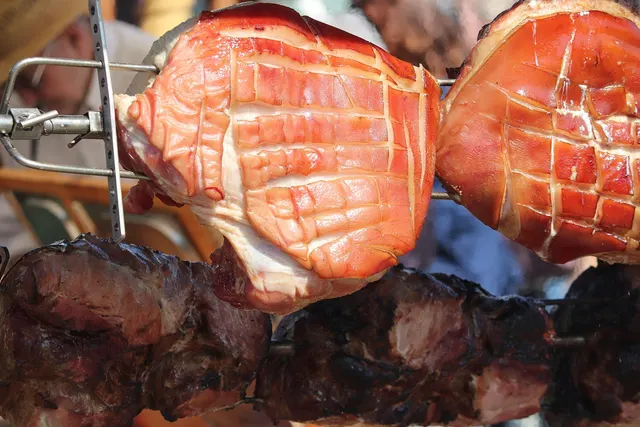
| Prepared: Hot Counter | Steam table plates, lechon by weight, warm turon | Prepared food rate | Not eligible |
| Bakery | Pandesal, ensaymada, room-temperature kakanin | Per state bakery rules | Eligible |
| Beverages: Cold, Packaged | Bottled soda, canned juice drinks | Per state; some states tax soft drinks separately | Per state; some states restrict soft drinks under SNAP |
| Beverages: Hot | Taho, coffee, salabat | Prepared food rate | Not eligible |
| General Merchandise | Pots, rice cookers, paper goods | Standard rate | Not eligible |
Setup steps:
- Build a separate item for each form of a dish. Use names like "Adobo – Hot Plate," "Adobo – Chilled 16 oz" and "Adobo – Frozen Tub," each with its own PLU or button.
- Remove or lock open-price food keys. If you need one, set it to non-EBT and the prepared-food tax rate by default.
- Use scale integration for by-weight items. Lechon and steam table items sold by weight should pull the right category automatically.
- Restrict permissions. Only managers should be able to edit tax categories or EBT flags, and the system should log every change.
- Test split tenders. Ring up a mixed basket and pay part of it with EBT. Ask FNS and your state tax agency whether items bought with SNAP benefits must be exempt from sales tax, then confirm your POS handles the EBT-paid portion that way.
- Recheck flags when rules change. SNAP eligibility for some categories, such as soft drinks, can differ by state and change over time. Review current FNS and state guidance periodically and update flags as needed.
If you're choosing equipment, our comparison of the best POS for Filipino grocery stores and our guide to grocery POS systems with scales, PLUs and EBT cover what to look for. You can also browse MannyPay POS systems. Before you buy any terminal or POS, confirm that it supports EBT and your state's tax structure.
A Note on Cash Discount and Dual Pricing
If you use dual pricing or a cash discount program, configure the EBT tender carefully. SNAP has rules on how EBT customers must be treated compared with other customers. Confirm with FNS and your processor how EBT purchases should be priced under your program.
Combo Purchases With Eligible and Ineligible Items
Combos are where good item setups break down. Watch these common cases:
- Ulam combo with a drink. A two-viand plate with rice and a bottled soda sold for one price is typically a hot prepared meal as a whole. If soft drinks are SNAP-eligible in your state and a customer wants to use EBT for the soda, ring it up as a separate item at its own price. Some states restrict soda purchases with SNAP, so check current FNS and state guidance.
- "Buy a hot plate, get kakanin free." Free items still need correct tax handling, and the hot plate stays ineligible. Keep promotions simple and build them into the POS rather than leaving them to cashier discretion.
- Pasalubong and noche buena baskets. Baskets that mix food with non-food items such as mugs, ribbons or wicker trays are subject to specific SNAP rules. Check current FNS guidance before you mark a basket as EBT-eligible.
- Catering and party trays. Bilao and lechon orders that require a deposit are prepared-food sales. Collect tax on the full sale as your state's rules require. Our guide to taking deposits for lechon and catering orders covers the payment side.
Illustrative example: A customer buys a frozen sinigang mix, a chilled adobo container, two pieces of puto and a hot plate of kare-kare with rice. With the setup above, the POS applies EBT to the first three items, assuming your flags mark them eligible, and handles tax on them the way you confirmed with your advisor. It then charges the kare-kare plate at the prepared-food rate to the customer's card or cash. No cashier judgment is needed.
Audit Risks and How to Document Your Setup
Sales tax auditors often sample transactions and compare your tax categories to your state's rules. SNAP compliance reviews check whether ineligible items were sold for benefits. SNAP violations can put your store's authorization at risk, and FNS can explain the penalties that may apply. Clean records are your best defense on both fronts.
Keep this file current:
- Item master export showing each item's tax category and EBT flag, saved every time you make a change
- Written rationale for gray-area items like kakanin, halo-halo, bilao, soft drinks and baskets, ideally reviewed by your tax professional
- Sales mix reports by tax category, kept on hand in case your state uses a sales-mix test
- Change log showing who edited categories or flags, and when
- Staff training records covering hot vs. cold items, EBT refusals and the no-override rule
- Sample receipts showing tax broken out by category on mixed and split-tender sales
- Copies of state and FNS guidance you relied on, with the date you checked each one
Review the file whenever you add a menu item, change how something is served, add seating or start catering.
Next Steps for Your Store
Start by listing every item you sell in more than one form: hot, chilled, frozen, warm or room temperature. Give each form its own POS item with its own tax category and EBT flag. Then take your list to a tax professional and check your SNAP setup, including any state-specific restrictions such as those on soft drinks, against current FNS and state guidance.
If you're also reviewing payment processing, see how MannyPay supports payment processing for Filipino-American businesses or request a free quote. A MannyPay specialist will respond within one business day.
This article is for general educational purposes and is not legal, tax or financial advice. Card network rules and state laws change; confirm current requirements for your business.