Debit Card Holds at Hotel Check-In: Policies That Stop Complaints
Learn why a hotel debit card hold frustrates guests and how to set debit hold amounts, check-in scripts and release steps that cut complaints.

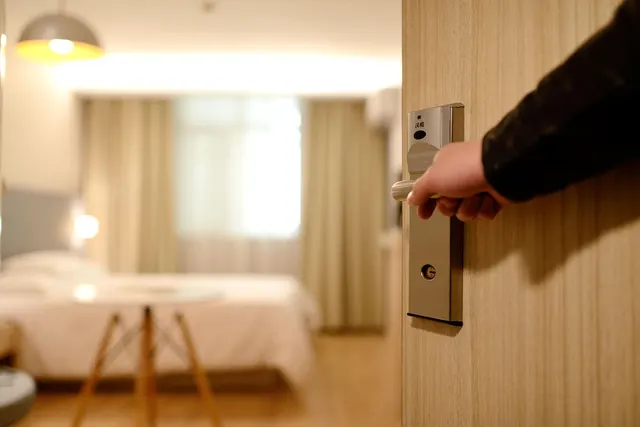
Photo: Pixabay
On this page 7 sections
- Why a Hotel Debit Card Hold Hurts Guests More Than a Credit Hold
- How Long Banks Keep a Hotel Hold on a Debit Card After Checkout
- Setting Separate Hold Amounts for Debit and Prepaid Cards
- Front Desk Scripts for Explaining Holds at Check-In
- Releasing a Debit Card Incidental Hold Faster at Checkout
- Should You Accept Debit Cards at Check-In? Pros and Cons
- Next Steps for Your Front Desk
Key takeaways
- A debit hold freezes the guest's actual checking account balance, so the same hold that is minor on a credit card can trigger overdrafts and angry calls.
- Banks, not hotels, decide when a hold drops off, but a prompt authorization reversal or final settlement at checkout gives the issuer what it needs to release funds sooner.
- Debit-specific hold amounts, clear disclosure at booking and short front desk scripts prevent most complaints before they start.
- Before you restrict debit or prepaid cards, confirm with your processor that your policy follows card network rules, and put it in writing.
A hotel debit card hold is one of the most common sources of front desk complaints, angry phone calls and one-star reviews that mention "they stole my money." The hold itself is routine. The problem is that on a debit card it locks up the guest's real cash, often for days after checkout. This guide explains why debit holds hit guests harder than credit holds, how long banks tend to keep them, and how to set debit-specific hold amounts, scripts and release steps that keep guests informed and your staff off the defensive.
Why a Hotel Debit Card Hold Hurts Guests More Than a Credit Hold
At check-in, most hotels authorize the room and tax plus an amount for incidentals such as minibar, room service, parking or damage. On a credit card, that authorization reduces the guest's available credit line. Most guests never notice.
On a debit card, the same authorization reduces the available balance in the guest's checking account. That money can't be used for gas, groceries, rent or anything else until the bank releases it.
| Factor | Credit Card Hold | Debit Card Hold |
|---|---|---|
| What it reduces | Available credit | Available cash in checking |
| Guest impact | Usually unnoticed | Can block other purchases |
| Overdraft or decline risk | Low for most guests | Real for guests with tight balances |
| How it looks after checkout | Often blends into the statement | Hold and final charge may both show, looking like a double charge |
| Typical reaction | Indifference | Confusion, then a call to your front desk |
The "double charge" is the biggest trigger. When the guest checks out, you settle the final bill. For a period, their banking app may show the original pending hold and the posted charge. To a guest watching every dollar, it looks like you billed them twice.
Debit holds also tend to land on the guests least able to absorb them: younger travelers, people who don't use credit, guests on a fixed travel budget and families stretching a weekend getaway. Those guests are the most likely to leave a review about it.
For a broader look at sizing and timing incidental authorizations across all card types, see our hotel incidental hold guide on how much to authorize and when to release.
How Long Banks Keep a Hotel Hold on a Debit Card After Checkout
Here is the part guests rarely believe: the hotel does not control when the hold disappears. The card-issuing bank does.
When you authorize a card, the issuer earmarks the funds. When you settle the final charge or send a reversal, the issuer receives that message and decides when to drop the pending hold. Some banks release it quickly. Others let pending authorizations sit until they expire on the bank's own schedule, which can stretch over several business days.
Hold duration varies by:
- The issuing bank's policy. Large banks, credit unions and prepaid card programs all handle pending authorizations differently.
- Whether you sent a reversal or a completion. An unused authorization with no follow-up message tends to linger the longest.
- Weekends and holidays. Bank processing days, not calendar days, often govern release timing.
- Card type. Prepaid and reloadable cards can behave differently from bank-issued debit cards.
Because these timelines vary and change, avoid promising guests a specific number of days. "Usually within a few business days, depending on your bank" is honest. "It'll be gone tomorrow" sets up a second complaint.
For the mechanics of authorizations, expirations and releases, read how credit card authorization holds work and how long they last.
Setting Separate Hold Amounts for Debit and Prepaid Cards
Many properties use one incidental amount for every card. That is simple, but it treats a debit guest's rent money the same as a credit guest's unused credit line. A debit-specific policy can reduce the strain on those guests and still protect you.
Identify the Card Type at Check-In
Many property management systems (PMS) and payment integrations can identify whether a card is credit, debit or prepaid from its card number range. Ask your processor and PMS vendor whether your setup flags card type on screen at check-in. If it does, staff can apply the right hold amount and script automatically instead of guessing. Our guide to choosing a payment processor that integrates with your hotel PMS covers what to look for. If your property doesn't run a full PMS, see our guide to the best credit card machines for motels without a full PMS.
Build a Tiered Hold Policy
The structure below is illustrative only. Set your own amounts based on your rates, amenities and loss history.
| Card Type | Room Authorization | Incidental Hold (Illustrative) | Notes |
|---|---|---|---|
| Credit | Full stay plus tax | Standard amount, e.g., $100 per night | Your baseline policy |
| Debit | Full stay plus tax | Lower or flat amount, e.g., $50 per stay | Optionally offer to disable room charging |
| Prepaid | Full stay plus tax, or prepay | Flat amount or cash deposit, if your policy allows | Partial approvals are more likely |
Options that lower debit holds without raising your risk:
- Turn off room charging for debit guests who decline a larger hold, so minibar, room service and restaurant charges must be paid at the point of sale.
- Use a flat per-stay incidental instead of a per-night amount for longer debit stays, so holds don't stack.
- Use incremental authorizations on extended stays rather than a large upfront hold, if your system supports them.
- Collect payment at the point of sale in your restaurant or bar instead of posting to the folio.
Before treating debit, prepaid or credit cards differently, confirm with your processor that your policy complies with current Visa, Mastercard, American Express and Discover rules. Network rules address how merchants may set acceptance requirements by card type, and they change.
Front Desk Scripts for Explaining Holds at Check-In
Most debit hold complaints come down to surprise. Guests who hear about the hold before it happens rarely call angry later. Give staff short, plain scripts and expect them to use them every time.
At Booking and in the Confirmation Email
Disclose the hold in writing before arrival:
"At check-in, we'll place a temporary authorization on your card for your stay plus [amount] for incidentals. If you use a debit card, this amount will be unavailable in your bank account until your bank releases it, which typically takes a few business days after checkout."
At Check-In for Debit Cards
"I see this is a debit card, so I want to give you a heads-up. We'll place a hold of [amount] for your stay and incidentals. It's not a charge, but your bank will set those funds aside until after you check out. If you'd prefer a smaller hold, I can turn off room charging so purchases are paid as you go."
At Checkout
"Your final bill is [amount], and I've released the rest of the hold on our end. Your bank may show both the original hold and this charge for a few days. That's normal, and only the final amount will be taken. Here's a receipt with the details in case your bank asks."
When a Guest Calls After Checkout
- Confirm the final charge amount and date from the folio.
- Confirm that a reversal or final settlement was sent, and note the time.
- Explain that the bank controls the release and that the pending hold isn't a second charge.
- Offer to email the folio and authorization details so the guest can share them with their bank.
- Log the call. Repeated calls about the same issue may point to a process gap.
A guest who doesn't understand a pending hold may dispute the charge with their bank. Clear receipts and folio records help if that happens; our guide on hotel chargebacks, including no-show, fraud and "didn't stay" cases explains what evidence to keep.
Releasing a Debit Card Incidental Hold Faster at Checkout
You can't force a bank to release funds, but you can make sure the issuer gets the right message as soon as possible. A fast debit card incidental hold release depends mostly on your own checkout discipline.
Settle for the Actual Amount
Close the folio for the actual amount owed, not the original authorization. Settling the final amount tells the issuer what you're really collecting.
Send Reversals for Unused Authorizations
If the guest paid with cash, switched to a different card or canceled, the original authorization should be reversed, not left to expire. An orphaned authorization is the most common cause of holds that linger longest.
Batch Promptly
Settle your batch at least daily. Holding transactions until the end of a long weekend delays the messages the issuer needs. Card networks also have rules about authorization timing and reversals, so ask your processor how your system handles them.
Checkout Release Checklist
- Final folio total matches what you settle.
- Unused authorizations from card swaps or cancellations are reversed.
- Express and late checkouts are closed out the same day, not the next morning.
- The batch settles on schedule, including weekends.
- The guest receives a receipt showing the final charge.
- Night audit reviews open authorizations for checked-out guests.
Assign one person per shift to own open authorizations. When everyone is responsible, open holds from early checkouts and room moves tend to slip.
Should You Accept Debit Cards at Check-In? Pros and Cons
Some properties respond to debit complaints by refusing debit entirely or requiring a cash deposit. Before you decide whether to accept debit cards at check-in, weigh the trade-offs.
| Accepting Debit | Restricting Debit |
|---|---|
| Serves guests who don't carry credit cards | Fewer hold complaints and disputes about holds |
| Fewer walk-aways at the desk | Less exposure if a debit guest's balance can't cover damage |
| Fits travelers on a budget and younger guests | Turns away some guests who arrive with debit only |
| Requires more staff training and disclosure | Requires clear advance disclosure to avoid check-in surprises |
For most properties, a middle path works best: accept debit with a lower or flat hold, disclosed up front, with room charging optional. Properties with high damage exposure may choose stricter terms.
Whatever you decide, write your hotel debit card policy down and publish it on your website, booking engines and confirmation emails. Confirm it with your processor against current network rules, and check any state or local requirements with a qualified professional. This is general information, not legal advice.
Next Steps for Your Front Desk
Debit hold complaints are predictable, which makes them preventable. Start with three moves this month:
- Flag card type at check-in and apply a debit-specific hold amount.
- Add hold disclosure to booking pages, confirmation emails and front desk scripts.
- Tighten checkout: settle actual amounts, reverse unused authorizations and batch daily.
If your current system can't identify card types, apply tiered holds or send reversals cleanly, it may be time to review your setup. MannyPay provides payment processing for hotels, along with POS systems, card terminals and integrations. Request a free quote, and a MannyPay specialist will respond within one business day to review your setup.
This article is for general educational purposes and is not legal, tax or financial advice. Card network rules and state laws change; confirm current requirements for your business.