Jewelry Chargebacks: Winning Engagement Ring and Diamond Disputes
Learn why jewelry store chargebacks happen, from breakup refunds to diamond grading claims, and the evidence that helps you win each dispute.
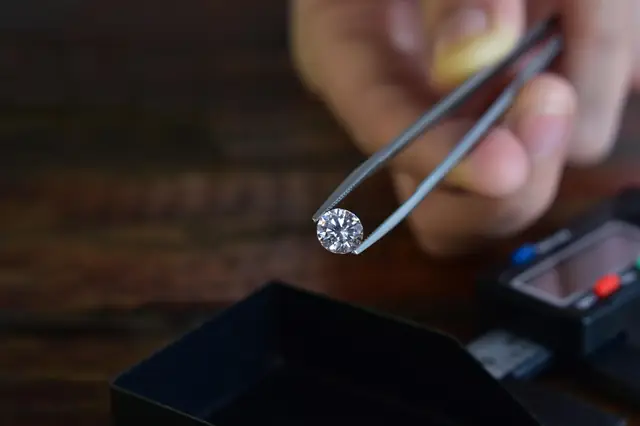
Photo: Pixabay
On this page 8 sections
- Why Jewelry Store Chargebacks Happen: The Most Common Reasons
- Chargeback After Breakup: Buyer's Remorse Disputes Filed as Fraud
- Friendly Fraud in Jewelry: When a Spouse Says They Didn't Authorize It
- Diamond Not as Described Disputes: Grading and Appraisal Claims
- Evidence That Wins: Signed Receipts, Certificates, and Photos
- Writing Return and Exchange Policies Card Networks Respect
- Responding Before the Deadline: A Step-by-Step Process
- Next Steps for Jewelers
Key takeaways
- Many jewelry disputes are buyer's remorse or family fraud filed under a fraud or "not as described" reason, and documentation gives you a real chance to win them.
- Grading reports, laser inscriptions, signed receipts and dated photos are the core evidence for diamond "not as described" claims.
- Return, exchange and custom-order policies help only if the customer saw and acknowledged them before paying.
- Your processor's response deadline is usually shorter than the network's, so build a repeatable evidence file for every big-ticket sale.
Jewelry store chargebacks can hurt more than typical retail disputes because one lost case on a high-ticket piece can erase the profit from many smaller sales. A single engagement ring or loose diamond often carries a ticket far larger than a typical retail purchase. This guide covers the disputes jewelers actually face, including refunds after a breakup, grading claims, and a spouse who says the purchase wasn't authorized. It also covers the evidence that tends to win each type and how to respond before your deadline.
Nothing here is legal advice. Card network rules and processor procedures change, so confirm current requirements with your processor and, for policy wording, a qualified attorney.
Why Jewelry Store Chargebacks Happen: The Most Common Reasons
A chargeback starts when a cardholder asks their issuing bank to reverse a transaction. The bank assigns a reason code, and that code decides which evidence matters. For jewelers, most disputes fall into a few groups:
- Fraud or "I didn't authorize this." These come from true stolen-card fraud. They also come from family members disputing a purchase they knew about, or from a cardholder who regrets the sale.
- Not as described. The customer says the stone, metal, carat weight or quality differs from what was sold. Second appraisals are a common trigger.
- Credit not processed. The customer says they returned the item or were promised a refund that never arrived.
- Merchandise not received. This is mostly an online and shipped-order issue, especially for insured shipments left in a building lobby or with a neighbor.
- Cancelled order or deposit disputes. These involve custom work, layaway, or a deposit on a ring that is still being made.
Timing matters too. Disputes tend to follow peak buying seasons such as the December holidays, Valentine's Day and proposal season, often weeks or months after the sale. Because of that gap, your records have to be complete on the day of the sale. Reconstructing them later rarely works.
High chargeback counts also affect your merchant account. Processors watch dispute ratios closely in big-ticket categories, which is part of why jewelers often sit in a medium-risk merchant account tier.
Chargeback After Breakup: Buyer's Remorse Disputes Filed as Fraud
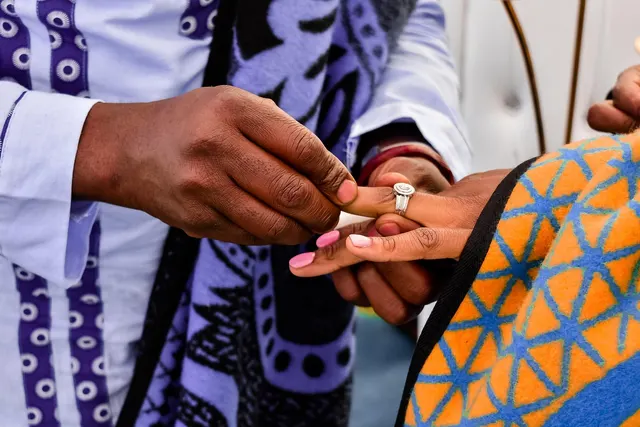
Breakup refunds are a familiar problem for jewelers. A customer buys an engagement ring and the relationship ends. The ring either comes back or stays with the former partner, and the buyer wants the money back. If your policy doesn't allow a refund, or the return window has closed, some buyers call their bank and say they don't recognize the charge.
An engagement ring chargeback filed as fraud is often winnable because the buyer's own behavior contradicts the claim. Look for:
- Chip or tap data showing the physical card was present, ideally with a PIN or signature.
- A signed receipt or sales agreement with the customer's name, the item description and your policy terms.
- ID checked at the counter, noted on the ticket. Recording a partial ID number may be acceptable, but confirm what your state's privacy rules allow.
- Communications asking for a refund. An email or text saying "we broke up, can I return the ring?" shows the cardholder made and recognized the purchase.
- Prior visits, such as a sizing appointment, a design consultation or a ring-size inquiry tied to the same customer record.
- Security camera footage of the transaction, if you retain it long enough.
If the customer emailed you before disputing, that message may be your strongest evidence. Save every customer communication with the sales record, not just in someone's inbox.
If the bank changes the reason to "credit not processed," the question becomes whether the customer was entitled to a refund under your policy. That depends on the policy itself, covered below.
Friendly Fraud in Jewelry: When a Spouse Says They Didn't Authorize It
Friendly fraud in jewelry often looks like this: one spouse buys an anniversary gift or a "just because" piece on a shared or secondary card. The other spouse sees the statement, or the buyer gets caught, and the charge is disputed as unauthorized.
These cases turn on proving who made the purchase and that they were entitled to use the card:
- Card-present proof. An EMV chip read with a PIN or signature, plus the name on the receipt matching the cardholder.
- Authorized user status. If the buyer is an authorized user on the account, include that in your rebuttal if you can establish it from the transaction or the customer's own statements.
- Delivery and pickup records. Who picked up the item, when, and what ID they showed.
- Engraving or custom details. Initials, dates or a custom inscription matching the household undercut a "random fraud" story.
- Past purchase history on the same card with no prior disputes.
Phone and online orders are harder to defend because the card wasn't present. Strong tools include address verification, matching billing and shipping addresses, signature-required delivery, and authentication. 3-D Secure authentication for online card payments adds a verified identity step before a high-value order ships and can shift fraud liability on eligible transactions. Confirm the current liability rules with your processor.
Diamond Not as Described Disputes: Grading and Appraisal Claims
A diamond not as described dispute usually starts with a second opinion. The customer takes the stone to another jeweler or appraiser who grades color or clarity differently, quotes a lower value, or questions whether the stone is natural or lab-grown.
Common triggers include:
- Grading differences. Color and clarity grades involve judgment, so two graders can disagree by a grade, especially without the original lab report.
- Appraisal confusion. Insurance appraisals often state a replacement value that differs from the price paid. Customers may read a lower resale estimate as proof they were overcharged.
- Treatment or origin disclosure. Disputes arise when a customer says they weren't told a stone was lab-grown, treated or enhanced.
- Metal and weight. Karat stamps, total carat weight versus center stone weight, and plated versus solid metal.
How to Defend a Grading Claim
Your goal is to show the item delivered matches the item described at the time of sale:
- Provide the independent lab grading report (for example, from GIA or IGI) listed on the invoice by report number.
- Show the laser inscription on the girdle matching that report number, photographed before the item left the store.
- Include the invoice description stating carat weight, color, clarity, cut, metal, and natural or lab-grown status in plain language.
- Attach the customer's signed acknowledgment of the stone's specifics and any treatments.
- Explain grading tolerance briefly and factually. A second appraiser's opinion is not the same as a lab report.
Advertising and disclosure rules can apply to how jewelry is described, including lab-grown and treated stones. Review your disclosure language with a qualified attorney, and make sure your invoices match what your sales staff actually says.
Evidence That Wins: Signed Receipts, Certificates, and Photos
A practical habit is to treat every large sale as a future dispute file. The table below matches common dispute types with the evidence that typically carries the most weight.
| Dispute Type | Strongest Evidence | Helpful Supporting Evidence |
|---|---|---|
| Fraud, card present | EMV chip/tap data, signed receipt, ID noted | Camera footage, prior visits |
| Fraud, card not present | Authentication result, AVS match, signature delivery | IP and device data, order emails |
| Breakup or remorse filed as fraud | Customer refund-request messages, signed policy | Sizing appointments, engraving order |
| Not as described | Lab report, girdle inscription photo, detailed invoice | Pre-shipment photos and video |
| Credit not processed | Signed policy, return logs showing no return | Store credit issued, communication history |
| Not received | Carrier signature, insured shipment tracking | Delivery photo, customer confirmation |
| Custom or deposit dispute | Signed custom-order agreement, design approvals | Work-in-progress photos, timeline emails |
A Point-of-Sale Checklist for Big-Ticket Pieces
- Photograph the piece, including any inscription, under consistent lighting before it leaves the store or ships.
- Print the grading report number and full specs on the invoice.
- Have the customer sign the receipt and a policy acknowledgment, on paper or on the terminal screen.
- Note the ID checked and who picked up the item.
- Store everything under one customer record that staff can retrieve quickly.
Your equipment can make this routine. When you compare systems, look for a POS that captures signatures, attaches notes to tickets and keeps customer history in one place, since those features cut the time it takes to assemble a response. You can browse MannyPay's in-store POS systems and confirm specific features with a specialist before you buy.
Illustrative Example
Illustrative only: A customer buys a ring for $8,000 in store with a chip card and signs the receipt and return policy. Three months later, after the engagement ends, the customer disputes the charge as unrecognized. The jeweler submits the chip transaction record, the signed receipt, the signed policy, and an email in which the customer asked whether the ring could be returned. Together, those documents show the cardholder made and recognized the purchase, which directly contradicts a fraud claim.
Writing Return and Exchange Policies Card Networks Respect
A return policy helps in a dispute only if the cardholder clearly saw it before paying. Policies buried on a back-of-receipt line or a hidden web page carry little weight.
A policy that holds up usually has these features:
- Clear windows. State how many days the customer has to return or exchange, and from what date.
- Refund method. Say whether returns get a refund to the original card, store credit, or exchange only.
- Condition requirements. Unworn, with the original grading report and packaging, and inspected before acceptance.
- Custom and altered items. Engraved, resized, custom-designed and special-order pieces are often final sale. Say so plainly.
- Restocking or appraisal fees, if any, disclosed in advance. Check your state's rules.
- Deposits. For custom work, explain when a deposit becomes non-refundable, such as after design approval or once casting begins.
These disclosure methods work:
- In store: have the customer sign or initial the policy, either on the receipt or on the terminal screen.
- Online: require a checkbox acknowledging terms at checkout, and show the policy on the product page and in the confirmation email.
- At the counter: post the policy where customers can see it, but don't rely on signage alone.
If you agree to a refund, process it promptly to the original card and keep the record. Refunding a transaction that has already been charged back can mean paying the customer twice.
Responding Before the Deadline: A Step-by-Step Process
The card networks set dispute deadlines, but your processor usually sets an earlier internal deadline so it has time to submit your response. Treat the processor's date as the real one.
- Read the notice carefully. Note the reason code, amount, transaction date and response deadline.
- Pull the full sales file. Find the receipt, policy acknowledgment, lab report, photos, communications and shipping records.
- Match evidence to the reason code. A fraud claim needs proof of identity and authorization. A "not as described" claim needs proof the item matched its description. Send only what answers the claim, not everything you have.
- Write a short rebuttal letter. Summarize the facts in a few paragraphs, label each attachment, and point to the specific document that answers the claim.
- Submit through your processor's portal before the deadline and keep the confirmation.
- Track the outcome. If the issuer rules against you, ask your processor whether a second-cycle response or pre-arbitration makes sense for the amount involved.
- Review the pattern. Every lost case should change something, whether that's a policy update, a staff checklist item or an authentication step for online orders.
For very large sales, prevention starts before the swipe. Understanding why processors flag or block high-value engagement ring sales helps you set limits and notify your processor ahead of big orders.
Next Steps for Jewelers
Many jewelry disputes are winnable with the right documentation. Cases become much harder to defend when the receipt, grading report and policy acknowledgment weren't gathered on the day of the sale. Build your evidence file at the counter, write policies customers must acknowledge, and answer disputes well before your processor's deadline.
If you're reviewing your setup, see how MannyPay supports payment processing for jewelry and diamond businesses. You can also read how dispute history affects approval odds and reserves for jewelry store merchant accounts. When you're ready, request a free processing quote, and a MannyPay specialist will respond within one business day.
This article is for general educational purposes and is not legal, tax or financial advice. Card network rules and state laws change; confirm current requirements for your business.