Mobile Massage Payments: Getting Paid at a Client's Home
Mobile massage payment made simple: when to prepay, how to charge travel fees, collect tips calmly and stop carrying cash on house calls.
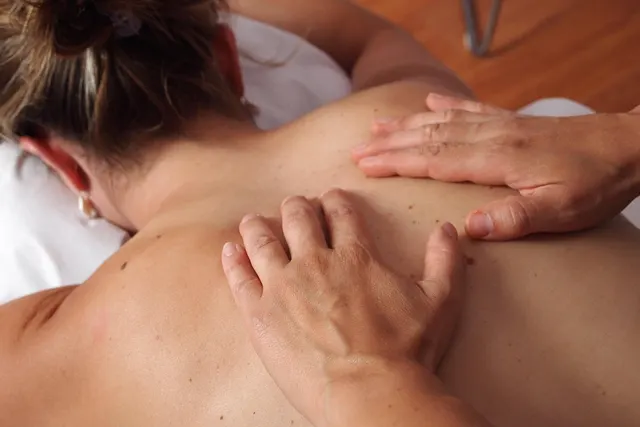
Photo: Pixabay
On this page 8 sections
- Mobile Massage Payment Basics: Prepay at Booking or Collect After the Session?
- Pricing and Charging a Massage Therapist Travel Fee
- Choosing the Best Card Reader for a Massage Therapist on the Road
- Collecting Tips Without an Awkward Moment
- Mobile Massage Deposits and Cancellation Holds for House Calls
- Corporate Chair Massage and Event Invoicing
- In-Home Massage Payment Safety: Avoiding Cash and Verifying New Clients
- Next Steps for Your Mobile Massage Business
Key takeaways
- Taking payment at booking, or saving a card on file, keeps money talk out of the quiet minutes after a session.
- Build travel and parking costs into clear, published pricing so clients never see a surprise charge.
- A phone-paired or handheld card reader, plus tipping set up ahead of time, makes checkout quick and low-key.
- Card-on-file deposits and less cash cut no-show losses and make house calls safer.
Getting a mobile massage payment right is harder than it looks. In a studio, the client walks to a front desk. At a client's home or hotel room, you are both in their living space, the client is relaxed and half-asleep, and you need to collect a fee, a travel charge and maybe a tip without spoiling the session. This guide covers:
- When to take payment
- How to price travel
- Which card readers suit therapists on the road
- How to handle tips and deposits
- How to invoice corporate chair massage
- How to stay safe by carrying less cash
Mobile Massage Payment Basics: Prepay at Booking or Collect After the Session?
The first decision shapes everything else. You can charge when the client books, or you can collect in person after the massage. A hybrid also works well: save a card at booking and charge it after the session.
| Approach | How It Works | Best For | Watch Outs |
|---|---|---|---|
| Full prepayment | Client pays the full service and travel fee when booking online | New clients, hotel guests, weekend and holiday slots | Needs a clear refund and rescheduling policy |
| Card on file, charge after | Card saved at booking, charged once the session ends | Regulars, couples sessions, add-on services | Get clear consent to store and charge the card |
| Pay after in person | Client taps or inserts a card when you finish | Long-standing clients you trust | The awkward money moment comes right after a relaxing session |
Prepayment gives you the most protection and the calmest exit. The client has paid before you load the table into your car.
Card on file is the most flexible option. You can adjust the final amount for an extra 30 minutes, an add-on such as hot stones, or a parking cost.
If you collect after the session, give the client a moment. Pack up your table and linens first, then bring out the reader. It also helps to mention payment while booking ("I'll run your card on file when we finish, and you'll get a receipt by text") so nothing feels sudden later.
Pricing and Charging a Massage Therapist Travel Fee
Travel is a real cost: fuel, vehicle wear, tolls, parking and the unbilled time between appointments. There are three common ways to recover it.
- Built-in pricing. Your mobile rate is higher than a studio rate, and travel is not listed separately. This is the simplest option and avoids line-item debates.
- Flat travel fee. You charge one fee for every in-home visit within your service area.
- Zone-based fee. Rates go up by distance band or neighborhood. This suits therapists covering a metro area plus outlying suburbs.
Illustrative example: A therapist might charge one rate within 10 miles, a higher rate for 10 to 20 miles, and quote anything farther case by case. These distances are examples only. Set your own zones based on your drive times and costs.
Parking and hotel fees need a stated policy. Downtown hotels and condo buildings often charge for parking or require valet. Write your policy into the booking page. For example, the client pays posted parking costs, or a downtown surcharge applies. Add the charge to the final ticket only when the policy covers it.
Whichever model you choose, show it before the client confirms. A travel fee that first appears on the card reader is a common trigger for disputes. If one becomes a formal dispute, our guide to how salon chargebacks work explains the process and the documentation that helps.
A note on card fees: Card network rules and state laws apply if you want to offset processing costs through surcharging, cash discount or dual pricing. Some states restrict surcharging, and some card types cannot be surcharged. Confirm current rules with your processor and a qualified professional before adding any fee. Sales tax treatment of massage also varies, so check whether massage and spa services are taxable in your state.
Choosing the Best Card Reader for a Massage Therapist on the Road
The best card reader for a massage therapist has these qualities:
- Small and quick
- Reliable on cellular data
- Easy to hand to a client lying on a table or sitting on a couch
Here are the main categories.
Phone-Paired Readers and Tap to Pay on Your Phone
A compact reader that pairs with your smartphone is the lightest setup. Some processors and apps also let a compatible phone accept contactless payments with no separate reader.
Before you rely on phone-only acceptance, confirm:
- Which card types and wallets it supports
- How tips are entered
- What it costs
MannyPay offers mobile card terminals such as the Clover Go and SwipeSimple B250, which pair with a phone or tablet.
Handheld Terminals With Built-In Connectivity
A dedicated device has its own screen, a printer or digital receipts, and cellular or Wi-Fi connectivity. It keeps payments off your personal phone, which helps if your phone also runs your music, booking app and navigation. Handheld terminals like the Clover Flex Pocket and PAX A920 Pro fit this role.
Virtual Terminals for Phone and Online Payments
A virtual terminal lets you charge a card from a browser. It works for taking a deposit over the phone or billing a corporate client.
Keyed transactions generally carry more fraud and dispute risk than chip or tap payments. Use them for known clients and keep good records.
What to check before buying:
- Contactless, chip and mobile wallet support
- Cellular backup for basements, rural homes and hotels with weak Wi-Fi
- Tip prompts you can turn on or off per transaction
- Text or email receipts, so you don't need to carry a printer
- Battery life that lasts a full day of back-to-back house calls
- Whether offline payments are supported, and the risk if a stored payment later declines
Collecting Tips Without an Awkward Moment
Tipping after a massage can feel uncomfortable for both sides, especially in the client's home. A few habits reduce the friction.
- Let clients tip at booking. If your booking software allows a tip at checkout or after the appointment, clients can decide privately. Check whether your platform supports adding a tip after the visit.
- Use a quiet tip prompt. Set the reader to show tip options and hand it over without commentary. Our article on suggested tip percentages on salon tip screens covers which presets clients tend to see as reasonable.
- Text a receipt with a tip option. For card-on-file clients, a follow-up receipt lets them tip after you have left.
- Be clear on spa or hotel bookings. If a hotel concierge or agency booked you, ask in advance whether gratuity is included so the client is not asked twice.
If you employ other mobile therapists, card tips raise payroll and tax questions. See whether you can deduct credit card fees from employee tips and confirm details with a tax professional.
Mobile Massage Deposits and Cancellation Holds for House Calls
A no-show at a studio costs you an hour. A no-show at a client's home costs you the hour plus the drive both ways. That makes a mobile massage deposit or card-on-file policy especially valuable.
Common structures include:
- Partial deposit at booking, applied to the final bill
- Card on file with a late-cancellation fee, charged only if the client cancels inside your notice window
- Full prepayment for first-time clients, late-night slots and hotel bookings
Make the policy easy to find. Put it on the booking page, in the confirmation text and in your intake form, and have the client actively agree to it. Saved copies of that consent and your appointment records help if a cancellation fee is ever disputed.
For online bookings, 3D Secure authentication can add a verification step for card-not-present payments. Ask your processor how it applies to your setup.
Regulars who book every week or month may do better on a recurring plan than on individual deposits. Our guide to massage membership billing covers how to structure it.
Corporate Chair Massage and Event Invoicing
Office wellness days, conferences and private events work differently from house calls. The client is a business, the amount is usually larger, and the person who booked you is often not the person who pays.
- Quote in writing. List the date, hours, number of therapists, travel, setup time and any equipment.
- Ask about payment terms early. Some companies need a W-9, a vendor setup form or a purchase order before they can pay.
- Take a deposit to hold the date, especially for events booked weeks out.
- Send an invoice for the balance. Accept cards through a virtual terminal, or use whatever invoicing tools your software offers.
- Sync your books. A QuickBooks integration can cut down on manual entry when you invoice many corporate clients.
Some events have attendees pay individually, such as chair massage at a market or festival. For these, a mobile or handheld reader with fast tap-to-pay keeps the line moving.
In-Home Massage Payment Safety: Avoiding Cash and Verifying New Clients
Carrying cash from house to house makes you a target. Cash also leaves no record if a client disputes what was paid. Moving to card-based in-home massage payment is a safety decision as well as a bookkeeping one.
Reduce cash on hand:
- Encourage card or prepaid booking, and state your preferred payment methods on your website.
- If you accept cash, deposit it often rather than keeping a day's takings in your car.
- Avoid counting cash or making change in a client's home.
Verify new clients before the first visit:
- Require online booking with full name, phone number and service address.
- Take a card in the client's name at booking. A prepayment or card on file screens out many bad-faith bookings.
- Call or text to confirm the appointment from a business number.
- For hotel visits, confirm the guest name and room with the client, and follow the hotel's visitor policy.
- Share each appointment's address and expected end time with someone you trust.
- State clearly in your policies that you can refuse or end a session.
Next Steps for Your Mobile Massage Business
Start by choosing your payment model: prepay, card on file or pay-after. Then write your travel, parking, deposit and cancellation policies into your booking flow.
Next, choose hardware that fits how you work:
- A phone-paired reader for a light kit
- A handheld terminal to keep payments off your phone
- A virtual terminal for deposits and corporate invoices
MannyPay provides payment processing for salons and spas, with mobile and handheld terminals, virtual terminals and pricing programs where permitted. To compare options for your setup, request a free quote. A MannyPay specialist will respond within one business day.
This article is for general educational purposes and is not legal, tax or financial advice. Card network rules and state laws change; confirm current requirements for your business.