Massage Membership Program: How to Set up Monthly Billing That Sticks
Build a massage membership program members keep paying for: clear pricing, rollover credits, card-on-file consent, cancellation rules and payment recovery.

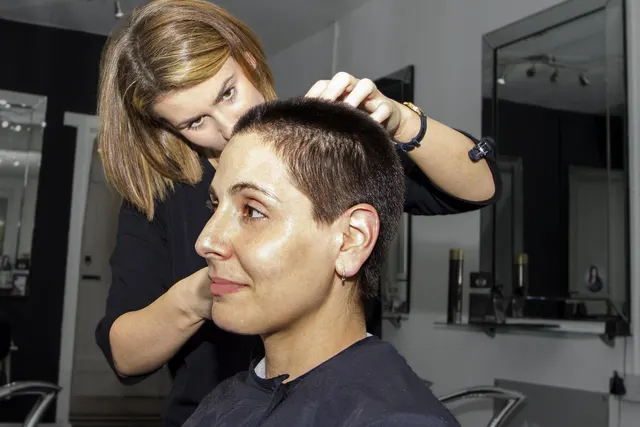
Photo: Pixabay
On this page 8 sections
- How a Massage Membership Program Makes Money
- Facial and Massage Membership Pricing: Fees, Included Services and Member Rates
- Handling Massage Membership Rollover Credits and Unused Services
- Collecting Recurring Billing Consent at Signup
- Freezes, Cancellations and State Auto-Renewal Rules
- Recovering Failed Spa Membership Billing Without Losing Members
- Tracking Membership Liability on Your Books
- Next Steps: Getting the Payment Side Right
Key takeaways
- A spa membership is a prepaid service obligation. Write down rollover rules, freezes and cancellation terms before the first member signs.
- At signup, collect clear, recorded card-on-file consent that covers the amount, billing date, renewal terms and how to cancel.
- State auto-renewal laws can apply to massage and facial memberships. Confirm current requirements for each state where you operate.
- Unused credits can count as a liability on your books. Ask your accountant how to track them.
A massage membership program can smooth out a spa's revenue. Members can fill slow weekday afternoons, rebook on a regular rhythm and spend on add-ons and retail. This guide covers the decisions that make spa membership billing work for your members, your therapists and your books. It walks through pricing, rollover credits, card-on-file consent, freezes, cancellation rules, failed-payment recovery and liability tracking.
Spa memberships work differently from a streaming subscription or a gym contract. Members pay in advance for a service delivered by a licensed therapist in a room you can book only so many times a day. That raises questions about unused sessions, injuries, travel and cancellation that generic subscription billing doesn't answer.
How a Massage Membership Program Makes Money
The basic model is simple. A member pays a fixed monthly fee. In return, they get one included service each month, usually a standard-length massage or facial. They also get a discounted member rate on additional services, upgrades and sometimes retail.
The economics depend on four things:
- Predictable base revenue. Monthly fees arrive whether or not the spa is busy. That helps cover payroll and rent during the slower stretch between holiday gift-card season and spring.
- Filling off-peak capacity. Some members have more flexible schedules than walk-ins. You can steer them toward weekday daytime slots and keep evening and weekend rooms open for full-price bookings.
- Higher lifetime value. Members may add hot stone, aromatherapy, scalp treatments or extended time. They may also buy retail at a discount.
- Some unused value. A portion of included services goes unredeemed. Spas get into trouble here when the rules aren't clear and fair.
Aim for a program members see as a good deal and keep paying for. Revenue from forgotten sessions is the wrong target. Members who feel trapped may dispute charges, leave bad reviews and cancel.
Facial and Massage Membership Pricing: Fees, Included Services and Member Rates
Start with your actual cost to deliver the included service. That means therapist or esthetician compensation, room time, linens, product, and booking and card-processing costs. For the processing side, our guide to salon credit card processing fees explains what goes into the rate. Then decide how large a discount the membership represents compared with your walk-in menu.
A simple tiered structure might look like this (all figures are illustrative only):
| Tier | Monthly fee (illustrative) | Included each month | Member rate on extras |
|---|---|---|---|
| Essential | Your base membership fee | One 60-minute massage or signature facial | Discount off menu price |
| Premium | Higher than Essential | One 90-minute massage or advanced facial | Larger discount, free add-on |
| Couples / Duo | Higher again | Two 60-minute services, same visit | Discount for both guests |
Decide these pricing details upfront:
- Upgrades to the included service. If a member on a 60-minute plan books a 90-minute session, do they pay only the difference at the member rate? Spell it out.
- Facial membership pricing. Facials often involve more product cost and more variation (peels, microcurrent, add-on masks) than massage. One approach is to define a base facial as the included service and price advanced treatments as member-rate upgrades.
- Therapist pay on member visits. Decide whether staff are paid on the menu price, the member price or a flat per-service rate. Settle this before launch so membership growth doesn't create a payroll dispute.
- Gratuity guidance. Members may ask whether to tip on the full menu price or the discounted price. Pick a policy, tell staff, and set your POS tip prompts to match.
- Member pricing at checkout. Your POS or booking software should recognize the member and apply member rates automatically. Front-desk staff shouldn't override prices by hand.
If you use a cost-offset program such as dual pricing or a cash discount, think through how it interacts with member rates. Showing a card price, a cash price and a member price side by side can confuse guests. Our pages on cash discount programs and surcharging where permitted explain how each program works. Surcharging rules in particular vary by state and card brand.
Handling Massage Membership Rollover Credits and Unused Services
Rollover policy is the issue most specific to spa memberships, and it's a common source of member complaints. Members miss months. They get sick, travel, have a baby or simply get busy. You need a rule that protects your capacity without making members feel cheated.
Common approaches to massage membership rollover credits:
- Rollover with expiration. An unused service becomes a credit that expires after a set period. Some spas also cap how many credits a member can hold at once. This keeps members from stockpiling credits and booking six massages in December.
- Rollover with a cap. Members can hold only a limited number of banked credits. Once they hit the cap, the next month's service doesn't bank.
- Use it or lose it. No rollover at all. It's simple, but it's the policy most likely to generate disputes and cancellations unless the monthly fee is priced clearly below walk-in rates.
- Transferable credits. Members can gift a banked session to a family member or friend. This can help retention and bring in new clients you might convert.
Also decide what happens to unused credits when a member cancels. Some spas allow a short window to use remaining credits after cancellation. Others forfeit them. Some states regulate prepaid services, gift certificates or unclaimed property in ways that could affect unredeemed credits. Before you finalize an expiration or forfeiture policy, ask a qualified attorney or accountant how those rules apply in your state.
Whatever you choose, put the rollover and cancellation rules in the signup agreement and on the member's receipt or account page. Written rules give members a clear reference and give you evidence if a charge is disputed.
Collecting Recurring Billing Consent at Signup
Every recurring charge depends on the authorization you collect on day one. Card network rules require merchants to get the cardholder's agreement before storing a card for recurring charges. They also require you to disclose the terms of that agreement. Your processor can tell you the current specifics.
At signup, your agreement should clearly state:
- The monthly amount and the date each month the card will be charged
- That the membership renews automatically until cancelled
- The minimum term, if any, and any early-cancellation fee
- Rollover, freeze and cancellation rules
- How to cancel, including whether members can do it online, by email or in person
- How you'll notify members of price changes
Practical setup tips:
- Tokenize the card in your POS or booking system. Never write card numbers on paper membership forms or keep them in a spreadsheet. A front-desk terminal such as the Clover Duo countertop POS, or another device integrated with your booking software, can store a secure token for future charges.
- Keep a signed or electronically accepted copy. If a member later disputes a charge as unauthorized, this is your evidence.
- Send a confirmation email with the terms, the first charge date and the cancellation method.
- Use a virtual terminal for card-not-present charges only when your booking system can't run the recurring charge itself, and apply the same consent standards.
For a broader look at recurring billing mechanics, see our guide to subscription and membership payment processing.
Freezes, Cancellations and State Auto-Renewal Rules
Freezes for Injury, Pregnancy or Travel
Spa clients have real reasons to pause. A rotator cuff injury, a medical procedure, pregnancy, a long work trip or months at a second home can all interrupt a membership. Offering a freeze can keep a member you would otherwise lose.
Define the details in advance:
- How long a freeze can last, and how many freezes are allowed per year
- Whether a small hold fee applies or billing stops entirely
- Whether banked credits keep aging during a freeze or pause too
- What documentation, if any, you'll ask for. Be careful about requesting medical details; a simple statement is usually enough.
Writing a Spa Membership Cancellation Policy
A clear spa membership cancellation policy states the notice period, when the final charge occurs and what happens to banked credits. Don't make cancellation harder than signup. If members can join online, a cancellation process that works only in person or by certified mail will frustrate customers. In some states, it can also run afoul of the law.
State Auto-Renewal Laws
Many states have automatic renewal laws that apply to recurring service contracts, and massage and facial memberships can fall within their scope. Requirements commonly address:
- Clear and conspicuous disclosure of renewal terms before purchase
- Affirmative consent to the auto-renewal terms
- An acknowledgment that includes cancellation instructions
- Advance notice before certain renewals or price increases
- An easy cancellation method, sometimes online if the member signed up online
The details, thresholds and effective dates differ by state and change over time. Federal rules on subscription cancellation have also been in flux. Our compliance map of automatic renewal laws by state is a good starting point. This is general information, not legal advice. Confirm your agreement language with a qualified attorney, especially if you run locations in multiple states.
Recovering Failed Spa Membership Billing Without Losing Members
Cards expire, get replaced after fraud or hit their limits. A failed membership payment usually doesn't mean the member wants to leave, so handle it in a way that keeps the relationship intact.
A reasonable recovery process:
- Retry on a sensible schedule. Spread retries over several days instead of hitting the card repeatedly in one day. Ask your provider about recommended retry practices.
- Ask about account updater services. Some processors can update stored card details automatically when an issuer reissues a card.
- Notify the member promptly by email or text, with a secure link to update their card.
- Flag the account at the front desk. When the member arrives for their next appointment, staff can update the card on a terminal before the service.
- Set a grace period. Decide how long the membership stays active while payment is pending, and whether new credits are issued before payment clears. One option is to hold the month's credit until the charge goes through.
- Pause rather than cancel after the grace period, so reactivation takes one step.
Chargebacks on memberships can come from members who forgot to cancel or didn't understand rollover rules. Clear signup terms, renewal reminders and easy cancellation are your best defense.
Tracking Membership Liability on Your Books
When a member pays for a service they haven't used yet, you may owe that service later. Banked credits, prepaid annual memberships and member packages can represent a liability until they're redeemed or expire. Accounting treatment varies, and so do tax and unclaimed-property rules for unredeemed value.
Practical steps:
- Make sure your booking or POS system reports outstanding credits by member, not just total membership revenue
- Reconcile membership charges, refunds and failed payments monthly
- Separate membership fees from service and retail revenue in your reports
- Review how your accountant wants to recognize revenue on unused credits and expired sessions
This is general information. Confirm how to record membership revenue and liabilities with a qualified accountant or tax professional.
Next Steps: Getting the Payment Side Right
A massage membership program works when pricing, consent, billing and front-desk checkout all point in the same direction. MannyPay provides payment processing, POS systems and card terminals for salons and spas, including Clover POS integration and cost programs such as dual pricing, cash discount and surcharging where permitted. To talk through recurring billing and checkout options for your spa, request a free quote and our team will review your setup.
This article is for general educational purposes and is not legal, tax or financial advice. Card network rules and state laws change; confirm current requirements for your business.