Shipping Vapes Under the PACT Act: ATF, USPS, and Carrier Bans
Learn what to check for PACT Act vape shipping: ATF registration, state reports, carrier policies, age-verified delivery and your merchant account.
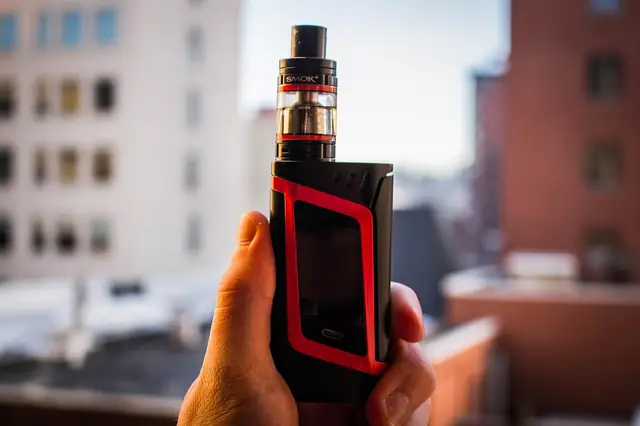
Photo: Pixabay
On this page 8 sections
- How the PACT Act Applies to E-Cigs and E-Liquids
- ATF PACT Act Registration for E-Cigarettes and State Reports
- Questions About the USPS Vape Ban and Private Carrier Policies
- Adult Signature and ID-at-Delivery Requirements
- Collecting State and Local Taxes Before Shipping
- How PACT Violations Affect Your Processor Relationship
- Can You Ship Vapes? A PACT Act Vape Shipping Checklist
- Next Steps for Online Vape Sellers
Key takeaways
- Have an attorney confirm how the PACT Act applies to your catalog, using ATF's current guidance and the statute, before you ship your first order.
- Check current USPS mailing standards and each private carrier's vapor policy, and get carrier approval in writing. A general shipping account is not enough.
- Age checks, state and local vape taxes, and shipping restrictions depend on where an order is going, so your checkout must handle them by destination.
- Processors underwrite online vape sellers on shipping compliance. Violations or misstatements can lead to reserves, termination or a MATCH listing.
Selling vape hardware and e-liquids online puts you under federal shipping law, state tax and licensing rules, and your payment processor's underwriting standards at the same time. This guide explains what PACT Act vape shipping compliance involves in practice. It covers how to scope your products, what to confirm about ATF registration and state reporting, why mailing and carrier options need careful checking, how age-verified delivery and destination-based taxes fit in, and why a compliance failure can cost you your merchant account.
This article is general information, not legal or tax advice. It does not quote statutory text, deadlines, filing formats or required package wording. PACT Act obligations, state vape laws and carrier policies change. Read ATF's current PACT Act guidance and the statute, and confirm your specific obligations with a qualified attorney or tax professional, before you ship an order.
How the PACT Act Applies to E-Cigs and E-Liquids
The PACT Act (Prevent All Cigarette Trafficking Act) is the federal law that governs remote sales of tobacco products. Online vape retailers are widely treated as being within its reach. Do not rely on a summary for scope, including this one. ATF publishes PACT Act guidance for sellers, and that guidance, read alongside the statute, is where your attorney should start.
Pay close attention to how the law defines covered products. Many sellers find that the definition reaches more than they expected. Before you treat any of the following as exempt, ask counsel to compare the current definition against your actual catalog:
- Zero-nicotine e-liquids
- Empty pods, tanks and cartridges
- Hardware-only devices and batteries
- Coils, replacement parts and accessories
Also ask how your sales channels are classified. Website, phone and mail orders, where the buyer isn't in front of you, are the remote sales the PACT Act focuses on. Sales to licensed wholesale or retail businesses may be treated differently. Where that line falls depends on the facts, so get advice before you treat any channel as outside the rules.
| Topic to review with counsel | Question to answer for your store |
|---|---|
| Registration | What federal, state and local filings do we need, and when? |
| Reporting | Which shipment reports do we file, for which states, and how often? |
| State and local law | Which tax and licensing rules apply in each destination? |
| Package labeling | Is a notice required on our packages, and what is the exact wording? |
| Age verification | What checks are required at checkout and at delivery? |
Use this table as a list of topics for your attorney. It is not a summary of the law.
ATF PACT Act Registration for E-Cigarettes and State Reports
Confirm Registrations Before Your First Remote Sale
Registration is the first item to settle. Ask your attorney, using ATF's current PACT Act guidance:
- Whether you must register with ATF, what the registration must include and when it is due relative to your first sale
- Which state tax administrators or other state agencies you must register with for each state you ship to
- Whether any cities, counties or tribal authorities in your destinations have their own requirements
Keep copies of every filing and confirmation. Carriers, state regulators and payment processors may all ask to see them.
Plan for Recurring State Reports
Expect ongoing reporting obligations as well as one-time registrations. Have counsel confirm which reports you must file, which states receive them, what data they must contain, and the deadlines and formats each state uses. Check those requirements again periodically. A missed filing is one of the easiest ways to fall out of compliance.
These operating habits make reporting manageable:
- Build reports from order data. Make sure your ecommerce platform can export shipments by destination state, with buyer, product and quantity details.
- Keep a filing calendar. Track each state's due date and the person responsible for each filing.
- Retain records. Ask counsel how long federal and state rules require you to keep records. Keep order, shipping, age-verification and tax records organized by state.
- Understand enforcement. Ask your attorney what enforcement tools apply to sellers who don't register or comply, and whether any of them can affect a carrier's willingness to deliver for you.
Questions About the USPS Vape Ban and Private Carrier Policies
Check Current USPS Mailing Standards
Online vape sellers often hear about a "USPS vape ban." Don't build your fulfillment plan on secondhand descriptions. Read the current USPS mailing standards for tobacco and vapor products, and have counsel review any exception you think applies to your business. Get that opinion in writing. Assume ordinary retail mailing of vape products is not available to you unless current USPS standards and your attorney say otherwise.
UPS, FedEx Vape Shipping and Other Carriers
Private carriers, including UPS and FedEx, set their own policies for tobacco and vapor products. Those policies can vary by account type and destination, and they can change. Never assume a general shipping account covers vape products. Before relying on any carrier, confirm the following in writing:
- Whether it accepts vape shipments for your account and your destinations
- Which age-verification and adult-signature services it offers
- What contracts, approvals or audits apply to tobacco or vapor shipments
- What happens to packages that can't be delivered to an eligible adult
Regional carriers and specialty age-verified delivery services may also be options. Whichever partner you use, confirm that its service meets the legal requirements counsel has identified. You remain responsible for using it correctly.
Never mislabel or misdescribe vape packages to get them accepted. Doing so can break the law and your carrier agreement, and processors treat it as a serious red flag.
Adult Signature and ID-at-Delivery Requirements
Age verification for vape orders can happen at more than one point in the transaction. Plan for both checkout and delivery, and confirm what each step legally requires.
Age and Identity Verification at Checkout
Start with federal law. Ask counsel what the PACT Act and ATF's guidance require for verifying a buyer's age and identity at the time of sale, including what verification methods or data sources qualify. Then layer on state requirements and your processor's expectations, which may add their own rules.
Common checkout controls include:
- Running third-party age and identity verification when the order is placed
- Requiring a manual ID upload when an automated check fails
- Blocking orders when the name, billing address or shipping address doesn't support the verification result
3-D Secure authentication for card-not-present payments helps confirm the cardholder and reduce fraud. It is not age verification, so you need both.
Verification at Delivery
Ask counsel and your carrier exactly what has to happen at the door. That includes who may accept the package, whether an ID check and adult signature are required, and what the driver must do when no eligible adult is present. Choose a delivery service that can document each step. Packages left on a porch or handed to whoever answers the door create both legal and chargeback risk.
Package Labeling and Failed Deliveries
Ask counsel whether a notice is required on your packages. If one is, get the exact wording from the statute or ATF's guidance and use it verbatim. Don't paraphrase it.
Plan for failed deliveries as well. Decide how you will handle returned packages, refunds and customer communication when a delivery can't be completed. Unclear policies in this area tend to produce "item not received" disputes.
Collecting State and Local Taxes Before Shipping
Destination-based tax compliance is one of the areas online vape sellers most need to review with a tax professional. Ask specifically how federal law affects your obligation to follow the buyer's state and local tax rules, and whether taxes must be collected or paid before an order ships. The answers determine how your checkout should work.
Vapor taxes are not uniform. Depending on the state or locality, they may be:
- Based on e-liquid volume
- A percentage of the wholesale or retail price
- Different for open systems, closed pods and devices
- Layered with additional city or county taxes
Taxes aren't the only destination issue. State and local laws may prohibit direct-to-consumer vape shipments, restrict flavored products or limit sales to approved product lists. Because these rules vary and change often, review your destination list on a regular schedule.
Configuring Checkout for Destination-Based Rules
| Checkout element | What it should do (illustrative setup) |
|---|---|
| Ship-to state and ZIP | Block destinations you can't legally ship to |
| Product eligibility | Remove restricted flavors or unlisted products by destination |
| Excise tax | Calculate vape-specific excise taxes, not just sales tax |
| Local taxes | Apply city or county taxes where required |
| Sales tax | Calculate separately from excise taxes |
| Delivery method | Require age-verified, adult-signature shipping |
Reconcile tax remittances against your state shipment reports. Mismatches between the two can draw a regulator's attention.
How PACT Violations Affect Your Processor Relationship
Vape is a high-risk category. Acquiring banks and processors are expected to make sure the merchants they sponsor don't process illegal transactions. That makes your shipping compliance part of your underwriting file.
What Underwriters Typically Ask For
When you apply for a high-risk merchant account for vape sales as an online seller, expect requests like these:
- ATF and state registration confirmations
- A list of the states you ship to and the states you block
- Your age-verification provider and checkout flow
- Your carrier or delivery partner and its age-verified delivery terms
- Your website terms, refund policy and shipping policy
- Your product catalog and how you handle restricted flavors or products
Our guide on why vape shops get declined for merchant accounts covers the full underwriting picture.
How Violations Turn Into Account Problems
Shipping compliance problems tend to cascade:
- A carrier stops accepting your packages, or enforcement action disrupts your fulfillment.
- Orders go undelivered or are returned, and customers file "not received" chargebacks.
- Your dispute ratio climbs, and your processor adds a reserve or holds funds.
- If the processor finds unlawful shipping, untaxed sales or misstatements on your application, it may terminate your account. Terminated merchants can be added to the MATCH list, which makes future approvals much harder.
Misrepresentation turns a fixable problem into a lasting one. Disclose your online sales, shipping destinations and product mix accurately. Never run vape sales through another merchant's account, under a different business description or under an inaccurate merchant category code. That is transaction laundering, and it violates card network rules.
Compliance also affects pricing. For context on rates, reserves and fee structures, see what vape shops should pay in processing fees.
Can You Ship Vapes? A PACT Act Vape Shipping Checklist
In many cases you can, but only after the right registrations, delivery partner and checkout controls are in place. Work through this list with your attorney and tax advisor:
- Confirm which of your products fall under the covered-product definition.
- Confirm and complete every federal, state and local registration that applies to you.
- Identify the states and localities that prohibit or restrict direct-to-consumer vape sales, and block them.
- Check current USPS standards, and get written approval from a carrier or delivery service that offers age-verified, adult-signature delivery.
- Set up age and identity verification at checkout that meets federal and state requirements.
- Configure excise, local and sales tax calculation by destination.
- Confirm any required package notice, and use the exact official wording.
- Build state reporting from your order data, and calendar each state's deadline.
- Write clear shipping, refund and failed-delivery policies.
- Disclose all of this accurately in your merchant application.
Next Steps for Online Vape Sellers
PACT Act compliance for vape shipping is ongoing work. Registrations, reports, tax rates and carrier terms all need regular review against ATF's current guidance and state rules. Sellers who keep clean records and an accurate merchant application are in a much stronger position with carriers, regulators and processors.
MannyPay provides vape and e-cig merchant services, including high-risk merchant accounts and online payment processing with 3-D Secure support. Approval depends on underwriting. When you're ready to review your setup, request a free processing quote, and a MannyPay specialist will respond within one business day.
This article is for general educational purposes and is not legal, tax or financial advice. Card network rules and state laws change; confirm current requirements for your business.