Pet Insurance Direct Pay: Getting Paid by Trupanion and Others
Learn how pet insurance direct pay to vet works at checkout: splitting insurer and client portions, reconciling deposits, and handling denied claims.
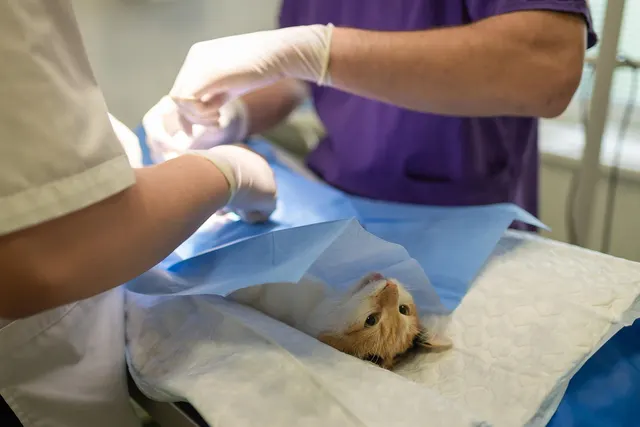
Photo: Pixabay
On this page 7 sections
Key takeaways
- Most pet insurance reimburses the owner, but some insurers can pay the hospital directly, which lowers the amount the client pays at checkout.
- Direct pay works only if the front desk can split each invoice cleanly into the insurer's portion and the client's share.
- Treat insurer payments as their own tender and receivable in your PIMS, and match every deposit to a claim number.
- A signed financial agreement and a card on file protect the practice if a claim is denied after the pet goes home.
For most clients, pet insurance works like a rebate. They pay the whole bill, file a claim and wait for the money. Pet insurance direct pay to vet reverses part of that: the insurer pays the hospital for its share, and the client pays only the rest. This guide covers five things:
- How direct pay differs from standard reimbursement
- How to split an invoice at checkout
- How to reconcile insurer deposits in your practice management software (PIMS)
- What to do when a claim is denied after discharge
- How to decide whether enabling direct pay is worth the extra work
This is general operational information, not legal, tax or insurance advice. Insurer programs, enrollment steps and payment methods change, so confirm current terms directly with each insurer.
Reimbursement vs. Pet Insurance Direct Pay to the Vet
Under the reimbursement model, the hospital is not part of the insurance transaction. The client pays the full invoice and submits the claim, usually with your itemized invoice and medical records. The insurer then reimburses the client. Your practice is paid in full at checkout and carries no insurance receivable.
Under direct pay, the insurer pays some or all of its approved amount to the hospital. The client pays whatever the policy does not cover. That usually includes the deductible, the coinsurance share and any excluded items.
| Reimbursement | Direct Pay | |
|---|---|---|
| Who pays the hospital at checkout | Client pays 100% | Client pays their share; insurer pays the rest |
| Who files the claim | Usually the client | Often the hospital, or the client with hospital involvement |
| Practice receivable | None | Insurer portion until it is paid |
| Client cash flow | Client fronts the full bill | Client fronts only their share |
| Denial risk for the practice | None | Practice must collect any denied amount from the client |
The difference matters most on large invoices, such as a surgery, a hospitalization or an emergency visit. In those moments, a client may decline or delay treatment because they cannot front the full amount while they wait for a reimbursement check.
Which Insurers Pay Veterinarians Directly
Insurers fall into two broad groups. Programs and names change often, so check each insurer's provider resources before you set anything up.
How Trupanion Pays Hospitals Directly
Trupanion offers a way for participating veterinary hospitals to be paid directly. Instead of reimbursing the client afterward, the insurer can pay its portion to the hospital. Program names, eligibility and mechanics change, so get the current details from Trupanion's provider resources or representatives before you enroll. Confirm these points in particular:
- Current enrollment, setup and claim-review steps
- How payment reaches the hospital
- Any obligations the hospital takes on
Don't rely on a colleague's setup from a few years ago.
For any direct-to-vet arrangement, the practical appeal is timing. If the insurer's portion is decided before the client leaves, the front desk knows the client's share at the counter. Ask whether the program works that way for your practice or whether payment follows after discharge, because that changes how much risk you carry.
Insurers That Pay the Vet on the Client's Request
Many other U.S. pet insurers are built around reimbursement, but some may let a policyholder ask for the payment to go to the hospital instead. When a client asks whether their pet insurance can pay the vet directly, the answer usually depends on several things:
- Whether the insurer offers a direct-to-provider option at all
- Whether the client must request it, and whether the hospital must sign an authorization or assignment form
- Whether the claim or a pre-approval must be processed before the hospital releases the pet, or whether the hospital waits for payment after discharge
- How the insurer pays: bank transfer, check or a virtual card number
Build a short internal reference sheet for the insurers your clients use most. For each one, record the claim channel, the forms required, the turnaround you typically see and the payment method. Review the sheet periodically.
Checkout Workflow for Vet Direct Pay Claims
Direct pay succeeds or fails at the front desk. The goal is to tell the client their exact share before treatment where possible, and to collect it cleanly at discharge.
Before Treatment
- Confirm the policy. Check that it is active, the pet is listed and the condition is not likely to be excluded, for example as pre-existing.
- Build the estimate with coverage in mind. Mark the line items the policy may not cover. Our guide to getting signed treatment plan estimates and a deposit covers the approval step in detail.
- Get a signed financial agreement. It should state that the client is responsible for any amount the insurer does not pay, and it should authorize a card on file for that balance.
- Take a deposit if your policy calls for one. For emergency cases, see how ER hospitals handle collecting emergency vet deposits before treatment.
At Discharge: Splitting the Invoice
Once the final invoice is ready, split it into the insurer's portion and the client's share. The table below is an illustrative example. The numbers are made up, and real policies apply deductibles, coinsurance and exclusions in different orders.
| Line | Amount (illustrative) |
|---|---|
| Final invoice total | $1,800 |
| Item not covered by the policy | $100 |
| Eligible charges | $1,700 |
| Remaining deductible (client pays) | $200 |
| Eligible after deductible | $1,500 |
| Insurer pays 90% (illustrative) | $1,350 |
| Client coinsurance (10%) | $150 |
| Client pays at checkout | $450 ($100 + $200 + $150) |
Collect the client's $450 at the counter like any other payment: card, cash or financing. The $1,350 becomes either an insurer payment received at checkout or an open balance billed to the insurer, depending on the program.
How Insurer Payments Arrive
The way the insurer pays changes your processing setup:
- Bank transfer (ACH) or check: The money lands in your bank account. No card processing is involved, but you must match the deposit to the claim, either manually or with a remittance report.
- Virtual card: Some insurers pay with a single-use card number. Staff key it into a virtual terminal for card-not-present payments or into the card terminal. Keyed and card-not-present transactions generally cost more to process than chip transactions, so ask your processor how these payments will be priced.
If your practice uses a cash discount, dual pricing or surcharging program, ask your processor how insurer-issued cards fit that program. Don't assume insurer payments follow the same rules as client payments.
Reconciling Insurer Payments in Your PIMS
The pet insurance reimbursement workflow creates a new kind of receivable. Your PIMS has to show it clearly, or insurer money will get lost among client payments.
Set up Insurers as Their Own Tender or Payer
- Use a separate payment type. Create one for each insurer, or a single "pet insurance direct pay" type. Don't post insurer money as cash or as a client credit card payment.
- Bill the insurer's account if your PIMS allows it. Some systems support third-party payers or split billing. Billing the insurer portion to the insurer's account shows the client's share as paid while the insurer balance stays open.
- Record the claim number on the invoice or in the payment memo.
The exact steps depend on your software. For the card side of the integration, see our guide to connecting card payments to AVImark, Cornerstone, and ezyVet.
A Daily and Weekly Reconciliation Routine
- Daily: Compare the insurer payments posted in the PIMS with the insurer payments in your card batch (virtual cards) or bank deposits (ACH).
- When a remittance arrives: Match each line to a claim number and an invoice. Insurer deposits often cover several claims at once, so don't post the lump sum to a single client.
- Weekly: Run an aging report of open insurer balances. Follow up on any claim that has gone past the turnaround you normally see from that insurer.
- Monthly: Give your bookkeeper insurer payments as a separate line. That way, revenue isn't double-counted if a client mistakenly forwards a reimbursement check.
Watch for double payments. If an insurer pays the client and the hospital has also billed the insurer, someone will be overpaid. Document how you refund or apply the excess, and keep the paper trail.
When the Claim Is Denied After the Pet Goes Home
With any program that settles after discharge, some claims will be denied or only partly paid after the client leaves. Common causes include:
- A condition later classified as pre-existing
- A waiting-period issue
- Missing records
- A line item outside coverage
Put a written process in place before you need it:
- Notify the client promptly. Tell them what was denied and why, and include the insurer's explanation if you have it.
- Give them a chance to appeal. Many denials turn on missing records, and sending the complete medical history quickly often resolves the problem.
- Collect the balance under the signed agreement. If the client authorized a card on file for amounts insurance doesn't pay, charge it as agreed and send a receipt. Our article on charging a card on file after insurance pays is written for human medical practices, but the consent and documentation principles carry over.
- Offer a structured option for large balances. A surprise bill after a major surgery can be hard to pay in one charge. Third-party financing or in-house veterinary payment plans can keep the account current.
Clear consent also matters for disputes. A client who didn't expect a post-discharge charge may dispute it with their card issuer. To respond, you'll want three documents: a signed estimate, a financial agreement that names the card on file, and a record of your denial notice.
Is Direct Pay Worth It for Your Practice?
Direct pay improves client service, but it adds real administrative cost. Weigh both sides honestly.
| Reasons to Enable It | Reasons to Wait |
|---|---|
| Many clients carry pet insurance, especially with one insurer | Few insured clients, or coverage spread thin across many insurers |
| You see frequent high-ticket cases: surgery, hospitalization, specialty, ER | Mostly wellness visits and small invoices |
| Clients decline or delay care because they can't front the bill | Clients already use financing or wellness plans comfortably |
| Your front desk is comfortable with estimates and split billing | Staff are stretched, and receivables follow-up would slip |
| Your PIMS handles third-party payers well | Your software makes split invoices awkward |
Answer these questions before enrolling:
- Who on the team owns insurer claims and follow-up?
- How long can the practice carry insurer receivables without straining cash flow?
- What does each insurer require from the hospital, and which payment methods does it use?
- How will keyed virtual-card payments be priced on your merchant account?
Some practices start with the insurer most of their clients use and expand once the workflow runs smoothly. If you also run preventive care memberships, keep them separate from insurance. Our guide to veterinary wellness plan billing explains how recurring plans differ from insurance claims.
Next Steps
Direct pay can make a big invoice manageable for an insured client, but only if checkout, posting and follow-up are tight. Start with these steps:
- Pull a list of the insurers your clients mention most.
- Confirm each insurer's current direct-pay options, forms and payment methods.
- Set up separate insurer payment types and a claim-number field in your PIMS.
- Update your financial agreement to cover denied claims and card-on-file consent.
- Review how your processor prices keyed and card-not-present payments.
MannyPay provides payment processing, POS systems, card terminals and virtual terminals for veterinary clinic payment processing, including in-person and keyed payments. To review your current setup, request a free processing quote, and a MannyPay specialist will respond within one business day.
This article is for general educational purposes and is not legal, tax or financial advice. Card network rules and state laws change; confirm current requirements for your business.