Chargeback Prevention: 15 Steps That Cut Disputes Early
Chargeback prevention checklist sorted by cause, so you fix the disputes you actually get before they damage your merchant account.

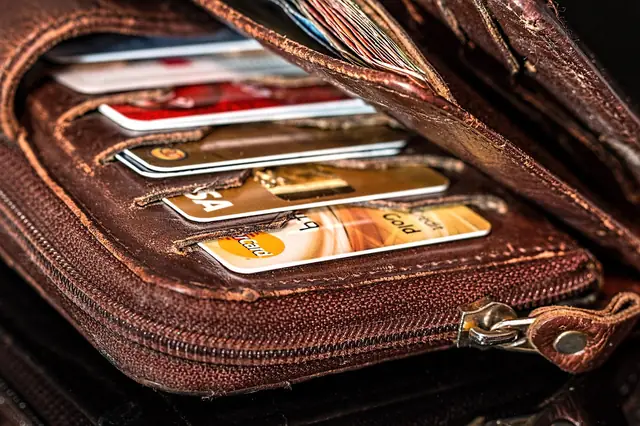
Photo: Pixabay
On this page 7 sections
- Chargeback Prevention Starts With the Four Root Causes
- Chargeback Fraud Prevention: Verification Checks and Velocity Rules
- Reducing Friendly Fraud With Clear Descriptors and Receipts
- How to Prevent Chargebacks From Service and Fulfillment Problems
- Avoiding Processing-Error Chargebacks
- Chargeback Protection Layers That Sit on Top of the Basics
- Tracking Your Chargeback Ratio and Measuring Results
Key takeaways
- Sort past disputes by cause before buying any tool, because fraud filters do nothing for "I don't recognize this charge" or "it never arrived."
- An AVS or CVV match is a fraud signal and does not shift liability. 3-D Secure authentication generally can, but only for fraud claims.
- Refunding before a customer disputes costs less than losing the chargeback. Refunding after one is filed can mean paying twice.
- Track your chargeback ratio monthly by cause, and ask your processor what internal limit triggers a review, because it may be stricter than the network's.
Chargeback prevention works best when you sort disputes by why they happen and then fix each cause directly. Nearly every chargeback traces back to one of four sources: true fraud, friendly fraud, a service or fulfillment failure, or a processing error. A fraud filter won't stop a customer who doesn't recognize your descriptor, and a clear refund policy won't stop a stolen card. The checklist below is grouped by cause, with the highest-impact fix first in each group.
All of these steps happen before a customer calls their bank. If you need to understand what follows that call, read how chargebacks work through the full dispute lifecycle.
Chargeback Prevention Starts With the Four Root Causes
| Cause | What it looks like | Steps that address it |
|---|---|---|
| True fraud | A stolen card number used online or keyed in | 2 to 5 |
| Friendly fraud | The real cardholder disputes a charge they made or authorized | 6 and 7 |
| Service and fulfillment | Item not received, not as described, canceled subscription still billed | 8 to 11 |
| Processing errors | Duplicate charges, wrong amounts, late settlement, unprocessed credits | 12 and 13 |
Step 1: Tag the Past Year of Disputes by Cause
Pull every chargeback from the past year out of your processor's portal and put each one in a bucket. The reason code tells you what the cardholder's bank claimed, so start there. Our quick reference to Mastercard chargeback reason codes translates the codes into plain-English categories.
The code won't always match what really happened, so check it against your own records. Take a "fraud" dispute from a repeat customer who ships to the same address with the same card. That one is far more likely friendly fraud, so tag it that way. Once everything is sorted, start work on the biggest bucket.
Chargeback Fraud Prevention: Verification Checks and Velocity Rules
True fraud is mostly a card-not-present problem. When the chip is never read, the issuer has less proof that the real cardholder was there. That covers website checkouts, phone orders and hand-keyed sales. Our guide to card-present vs. card-not-present fraud and rules explains the difference in detail.
Step 2: Require CVV and AVS, and Decide What a Mismatch Means
Make the card security code mandatory at checkout and on your virtual terminal for phone and mail orders. Turn on the Address Verification Service (AVS), which compares the street number and ZIP code the customer enters with what the issuer has on file. Then write down a rule for mismatches. You might auto-decline any CVV failure but hold a ZIP mismatch on a high-ticket order for a person to review.
People often misunderstand this rule. A full AVS and CVV match is a fraud signal only, and it does not move fraud liability off you. A thief who bought the complete card details will pass both checks.
Step 3: Use 3-D Secure on Riskier Orders
3-D Secure authentication asks the issuer to verify the cardholder. Often this happens silently, and sometimes the customer gets a one-time code. When a transaction is successfully authenticated, liability for fraud-coded disputes generally shifts to the issuer under network rules. That shift does not cover "item not received" or "not as described" claims. Conditions change, so confirm the current terms with your processor.
Because 3-D Secure adds some friction, many merchants trigger it selectively. A common approach is to run it on first orders from new customers or whenever AVS comes back mismatched.
Step 4: Set Velocity Limits to Stop Card Testing
Fraudsters check whether stolen numbers work by sending bursts of small attempts. Limit how many attempts one card can make in a short window, and apply a similar cap per IP address. A string of declines tied to the same email is another warning sign worth blocking. Our breakdown of credit card decline codes and what to do about them helps you read those patterns.
Step 5: Dip or Tap Every Card That's in Front of You
Retail counters and professional-service front desks still key in cards when a chip read fails or the line gets long. Don't let that become a habit. A keyed sale gives up the counterfeit-fraud protection that EMV chip and contactless reads provide, and it typically costs more to process. If a terminal keeps failing to read chips, repair or replace it rather than training staff to key around it.
Reducing Friendly Fraud With Clear Descriptors and Receipts
Friendly fraud covers a range of cases. Sometimes the cardholder truly doesn't recognize a charge, or a family member made the purchase. Occasionally the customer knows exactly what they bought and disputes it anyway. You can't stop that last group entirely, but you can remove the honest confusion behind the rest. Our guide to spotting and fighting friendly fraud without losing customers goes deeper.
Step 6: Make Your Billing Descriptor Recognizable
Make a purchase from your own business and look at your card statement. If it shows a legal entity name or an abbreviation instead of the brand on your storefront or website, customers will dispute charges they made. Ask your processor to set the descriptor to your customer-facing name. Where the platform allows it, add a phone number or web address. Subscription businesses should confirm that renewals carry the same descriptor as the first charge.
Step 7: Send Receipts That Match the Statement, and Be Easy to Reach
Every receipt and renewal notice should say, in plain words, how the charge will appear on the card statement. Itemize what the customer bought. Put a phone number and email address on the receipt, and answer within one business day. A customer who can't reach you will call the number on the back of their card instead, and that call turns into a dispute.
How to Prevent Chargebacks From Service and Fulfillment Problems
These disputes are the most fixable because the cause sits inside your business. They also vary the most by industry.
Step 8: Get Customers to Agree to Your Refund and Cancellation Terms
Online, put the policy on the checkout page with a required checkbox, not only behind a footer link. Retail stores should post it at the register and print it on the receipt. For professional services, the refund, deposit and cancellation terms belong in the signed engagement letter or estimate. A clear policy the customer accepted also becomes your strongest evidence if you later need to send a chargeback rebuttal letter with supporting evidence.
Step 9: Make Subscriptions Easy to Understand and Easy to Cancel
Recurring billing produces a steady stream of "canceled recurring transaction" disputes. Send a reminder before each renewal and before a free trial converts to paid. Show the price and billing date on the signup page. Let customers cancel online without calling. The card networks have their own rules for free-trial and introductory-offer subscriptions, and many states have automatic-renewal laws. Because these requirements change, confirm current terms with your processor and a qualified attorney.
Step 10: Prove Delivery for Goods and Completion for Services
Ship every order with tracking, and require a signature above a dollar amount you set based on your average ticket. For services, keep the signed scope of work and a completion sign-off, along with dated photos or time logs where they apply. A contractor or consultant who can show the client approved the finished work rarely loses a "services not rendered" claim.
Step 11: Refund Before the Customer Disputes
When a customer is unhappy and you would probably lose the dispute anyway, refund fast. You can see why without plugging in your own numbers. Assume the customer keeps the item in both cases:
- Refund now: you give back the sale amount and absorb what you spent on the product and shipping.
- Let it become a chargeback: the issuer pulls back the same sale amount, you absorb the same product and shipping costs, and your processor charges a chargeback fee on top. The dispute also counts toward your chargeback ratio, which a refund does not.
The refund wins by the size of the fee plus the damage to your ratio. Chargeback fees are set by each processor and vary, so check your own agreement for the amount.
Timing matters. A refund issued after the chargeback has been filed doesn't cancel the chargeback, and you can end up paying the customer twice. Read about whether to refund a customer who already filed a chargeback before you act.
Avoiding Processing-Error Chargebacks
These disputes are self-inflicted, which also makes them the easiest to eliminate.
Step 12: Settle What You Authorized, Once, and on Time
Batch out daily. An authorization that sits unsettled too long can expire, and that opens the door to a dispute. Never force through a sale the issuer declined. When a terminal times out, check for a double submission before running the card again, and void a mistaken sale the same day instead of refunding it later. If the final amount differs from the authorization, as with restaurant tips or a service job that runs over, make sure your process follows your processor's rules for adjusting it.
Step 13: Process Credits Promptly and to the Original Card
"Credit not processed" disputes happen when a promised refund arrives late or never shows up on the card. Refund to the original card and email the customer a confirmation showing the amount and date. Keep a refund log the whole team can see, so whoever answers the phone can tell a customer where their money is.
Chargeback Protection Layers That Sit on Top of the Basics
Step 14: Add Outside Chargeback Protection After the Basics Are Fixed
Several kinds of chargeback protection for merchants work on top of the steps above:
- Pre-dispute alerts tell you when a cardholder starts a dispute, so you can refund before it becomes a formal chargeback. Network-affiliated programs and third-party vendors offer them, usually priced per alert.
- Order-data sharing sends receipt and order details to the issuer when a cardholder asks about a charge, which can clear up confusion before anyone files a dispute.
- Fraud-screening software scores orders using device, location and behavior data.
- Chargeback guarantees reimburse fraud losses on orders the vendor approved. Read the exclusions carefully, because many cover only fraud-coded disputes.
Each of these tools charges by the order or by the alert. They pay off when your volume is too high to review by hand. None of them replaces a clear descriptor or an online cancel button. For disputes that still get through, chargeback representment is how you fight the ones your evidence can win.
Tracking Your Chargeback Ratio and Measuring Results
Step 15: Review Your Ratio Monthly, by Cause
Your chargeback ratio compares the number of disputes with the number of transactions over the same period. Visa and Mastercard each calculate it their own way and run monitoring programs with their own thresholds. On top of that, your acquiring bank may set a stricter internal limit. Our guide to calculating your chargeback ratio and knowing what's too high walks through both methods.
Track the count in each of the four buckets, not just the total. Suppose friendly-fraud disputes fall after a descriptor change while fraud disputes hold steady. Then you know which fix worked and which bucket to tackle next. Businesses in higher-risk categories, or with ratios already close to a limit, should talk with a provider experienced in high-risk merchant processing before the bank raises the issue.
Your next move is to pull last quarter's disputes and tag each one by cause. Fix the largest bucket first. Then ask your processor two questions: exactly what your descriptor shows on a cardholder's statement, and what ratio triggers a review on your account. If you're comparing providers at the same time, request a free quote from MannyPay, and a specialist will respond within one business day.
This article is for general educational purposes and is not legal, tax or financial advice. Card network rules and state laws change; confirm current requirements for your business.