What Is a High-Risk Merchant Account? How It Works and Who Needs One
Learn what a high-risk merchant account is, why processors assign one, and how rates, reserves and terms differ, so you know what to expect before applying.

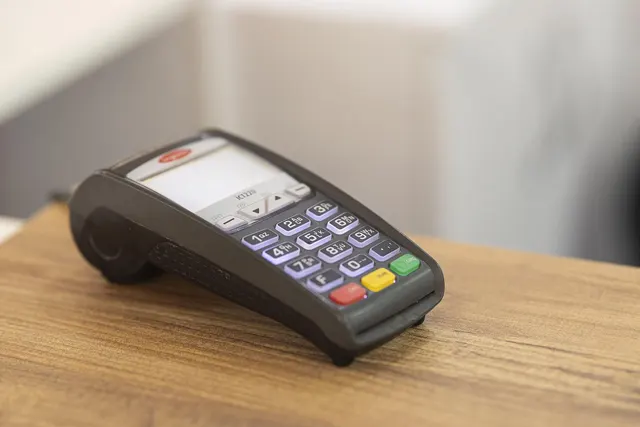
Photo: Pixabay
On this page 8 sections
- What Makes a Business High-Risk in a Processor's Eyes
- Industries That Typically Need High-Risk Merchant Services
- Non-Industry Triggers: Chargebacks, Credit, Volume, and Ticket Size
- How High-Risk Merchant Accounts Differ: Rates, Reserves, and Contract Terms
- Why Payment Aggregators Like Square, Stripe, and PayPal Close High-Risk Accounts
- What You Need to Apply for a High-Risk Merchant Account
- How to Move From High-Risk to Standard Pricing Over Time
- Next Steps
Key takeaways
- The high-risk label describes the financial exposure a processor and its sponsor bank expect from a business. It is not a judgment of the owner.
- Industry, chargeback history, credit, ticket size, volume and delivery timing can each put a business into high-risk underwriting.
- High-risk accounts usually have higher rates, rolling reserves and stricter contract terms, so read every term before you sign.
- Clean processing history, low dispute ratios and complete documentation are the realistic path to better terms over time.
A high-risk merchant account is a card-processing account for businesses that banks and processors expect to carry more financial risk than average. That risk can come from chargebacks, fraud, regulation or the time between payment and delivery. This guide explains why processors apply the high-risk label and which industries and business traits trigger it. It also shows how pricing, reserves and contracts differ from standard accounts and what to prepare before you apply.
What Makes a Business High-Risk in a Processor's Eyes
Every merchant account is sponsored by an acquiring bank. When a customer disputes a charge and wins, the money goes back to the cardholder. If the merchant can't cover that refund, for example because the business has closed, the acquiring bank and processor can be left paying.
Underwriting estimates how likely that is to happen with your business. Underwriters typically weigh:
- Dispute likelihood: How often customers in your category file chargebacks, and why.
- Fraud exposure: Whether stolen cards are commonly used to buy what you sell.
- Regulatory and reputational risk: Whether your products face shifting state or federal rules, or card network restrictions.
- Delivery timing: How long customers wait between paying and receiving the product or service.
- Financial capacity: Whether the business could absorb a wave of refunds or disputes.
A business that scores poorly on one or more of these lands in high-risk underwriting. Some businesses fall between standard and high-risk. If that sounds like you, read our guide to medium-risk merchant accounts and the middle tier.
Industries That Typically Need High-Risk Merchant Services
Industry is the most common reason a business needs high-risk merchant services. Here is why four frequently flagged categories get extra scrutiny.
CBD and Delta 8
Hemp-derived products sit in a legal area that varies by state, and federal rules have been changing. Processors worry about products that may be legal in one state and restricted in the next, especially for online stores shipping nationwide. Underwriters often ask for lab testing documentation and review product pages for prohibited health claims. See the CBD certificates of analysis processors ask for and our coverage of federal hemp rule changes and your merchant account.
Vape and E-Cig
Vape merchants face age-verification requirements, state flavor bans, federal enforcement against unauthorized products, and shipping rules that limit how online orders reach customers. A brick-and-mortar shop selling face to face with ID checks looks different to underwriters than a website shipping across state lines. Online sellers should understand the shipping rules and carrier restrictions for online vape sales before they apply.
Nutraceuticals and Supplements
Supplement brands often sell online through subscriptions or trial offers. Both models can produce "I didn't authorize this" and "it didn't work" disputes when customers don't expect a recurring charge. Website copy matters too, because claims that a product treats or cures a condition can end an account. Learn more about health claims that get supplement merchant accounts shut down.
Travel and Tourism
Travelers often pay weeks or months before a trip. If a supplier fails, a flight is canceled or a tour can't run, refunds and chargebacks may arrive long after the processor funded the sale. This is called future delivery risk. Seasonal booking peaks and large, multi-traveler tickets add to the exposure. For details, read why processors hold funds on travel bookings.
Other Commonly Flagged Categories
Other categories that frequently need credit card processing for high-risk merchants include:
- Firearms
- Adult content
- Kratom and 7-OH
- Tobacco
- Peptides
- Telehealth and online pharmacy
- Event ticketing
Classification depends on the processor and sponsor bank, so the same business may be treated differently by different providers.
Non-Industry Triggers: Chargebacks, Credit, Volume, and Ticket Size
A business in a low-risk category can still need a high-risk account. Common triggers include:
- Chargeback history: Dispute ratios above what card networks and processors tolerate. Networks run chargeback monitoring programs, and merchants who exceed their thresholds face fines and closer review.
- Prior account termination: A business or owner placed on the MATCH list, the card-network database of terminated merchants, faces a much harder approval process.
- Personal or business credit: Weak credit signals limited capacity to cover losses.
- Volume: Very high monthly volume, or sudden spikes compared with your history, increases the acquirer's exposure.
- Ticket size: A high average ticket means each disputed transaction costs more.
- Card-not-present sales: Online and phone orders carry more fraud risk than chip-card transactions at a counter.
- Recurring billing: Subscriptions can generate disputes when cancellation is unclear or renewals catch customers off guard.
- International sales: Cross-border transactions involve added fraud and currency considerations.
- Limited history: A new business without processing statements gives underwriters less to work with.
How High-Risk Merchant Accounts Differ: Rates, Reserves, and Contract Terms
High-risk merchant accounts are built to protect the acquirer from losses. That shows up in pricing, funding and contract terms. The table below summarizes the typical differences. Exact terms vary by provider, so confirm current terms in writing. For a fuller breakdown, see our guide to high-risk vs. low-risk merchant accounts.
| Factor | Standard Account | High-Risk Account |
|---|---|---|
| Underwriting | Lighter review, faster decisions | Deeper review of documents, website and financials |
| Processing rates | Lower markup over interchange | Higher markup to price in added risk |
| Reserves | Often none | Rolling or upfront reserve is common |
| Contract length | Often month-to-month | Longer terms more common |
| Early termination | Fees may be low or absent | Termination fees more likely |
| Monitoring | Periodic | Ongoing review of disputes, refunds and volume |
| Volume limits | Generous | Monthly caps may apply at first |
How Rolling Reserves Work
A rolling reserve holds a percentage of each day's sales for a set period, then releases those funds on a rolling schedule. It gives the acquirer a cushion if disputes arrive later.
Illustrative example only: Suppose a merchant processes $20,000 in a month under a 5% rolling reserve with a 90-day hold. The processor would hold $1,000 of that month's sales and release it about 90 days later. Each month's held amount follows the same schedule.
For a deeper explanation, read how a rolling reserve works and how to lower it.
Contract Terms to Check Before You Sign
- The full rate structure, including per-transaction, monthly, chargeback and PCI-related fees
- Reserve percentage, hold period, and conditions for review or release
- Contract length, auto-renewal language and early termination fees
- Monthly volume caps and how to request increases
- What happens to held funds if either side closes the account
In-person merchants may also be able to use compliant cost programs such as dual pricing for card and cash customers, where eligible and permitted. Rules vary by state and card brand.
Why Payment Aggregators Like Square, Stripe, and PayPal Close High-Risk Accounts
Square, Stripe and PayPal operate as payment aggregators. Many merchants process under a shared master arrangement instead of each having an individually underwritten merchant account. That structure lets merchants sign up quickly with limited upfront review.
The trade-off is that risk is managed after onboarding. Aggregators publish lists of prohibited and restricted businesses and rely heavily on automated monitoring. If a review flags a restricted product, a rise in disputes, or volume that doesn't match the original signup, the account may be paused, funds may be held, or the account may be closed. Each company's policies differ and change over time, so read the current acceptable use terms before relying on any of them.
This is a question of business-model fit, not a criticism of those platforms. A dedicated high-risk account is underwritten upfront with your industry disclosed, which reduces the chance of surprises later. If you've already been shut down, see why Stripe closes accounts and what to do next.
Never describe your business inaccurately to get approved. Misrepresenting products or using a merchant category code that doesn't match what you sell can lead to termination, held funds and placement on the MATCH list.
What You Need to Apply for a High-Risk Merchant Account
A complete application moves faster and reads as lower risk. Expect to provide:
- Business documents: Formation documents, EIN confirmation and any required licenses or permits
- Owner information: Government-issued ID for each owner, plus consent for a credit check
- Banking details: A voided check or bank letter for the settlement account
- Processing history: Recent merchant statements, if you've accepted cards before
- Financials: Bank statements, and sometimes business financial statements
- Website compliance: Clear contact information, refund and cancellation policy, privacy policy, terms of service, and accurate product descriptions
- Industry documentation: Lab results for CBD, age-verification process for vape, subscription disclosures for supplements, supplier agreements for travel
- Fulfillment details: How and when orders ship or services are delivered
Our merchant underwriting checklist of documents to have ready walks through each item in more detail.
How to Move From High-Risk to Standard Pricing Over Time
Some industries stay high-risk no matter how well they're run. In those cases, the realistic goal is better terms within high-risk processing. Others can graduate toward standard pricing. Either way, the steps are similar:
- Keep dispute ratios low. Use a recognizable billing descriptor, respond to customer complaints quickly, and refund before a customer feels the need to file a dispute.
- Add fraud protection for online sales. 3-D Secure authentication for card-not-present orders adds a cardholder verification step that can reduce fraud-related disputes.
- Make recurring billing transparent. Disclose renewal terms clearly, send reminders, and make cancellation easy.
- Build consistent history. Steady, predictable volume over many months gives underwriters evidence to work with.
- Request a reserve review. After a sustained period of clean processing, ask whether your reserve percentage or hold period can be reduced.
- Report changes in advance. Tell your processor before launching new products, entering new markets or expecting a seasonal spike.
- Keep documents current. Update licenses, lab results and policies as they change.
Routing sales through another business's account to avoid scrutiny is transaction laundering. Splitting a single sale into multiple smaller transactions to stay under limits is a separate practice, known as split sales. Both violate card network rules. Learn the difference between legal MID routing and transaction laundering.
Next Steps
High-risk merchant processing costs more and comes with more conditions, but it's designed to keep a legitimate business accepting cards reliably. Knowing why you're classified as high-risk, and what terms to expect, helps you compare offers and avoid unpleasant surprises after signing.
MannyPay offers high-risk merchant accounts for regulated and specialty businesses across online and in-person sales channels. MannyPay is a registered ISO/MSP of Esquire Bank, Merrick Bank and Mission Valley Bank. Approval depends on underwriting.
To see what your business may qualify for, request a free merchant account quote. A MannyPay specialist responds within one business day.
This article is general information, not legal, tax or regulatory advice. Laws affecting CBD, vape, supplements and travel vary by state and change over time, so confirm your obligations with a qualified professional.
This article is for general educational purposes and is not legal, tax or financial advice. Card network rules and state laws change; confirm current requirements for your business.