Grocery Gift Card Fraud: Stopping Card Draining and Tender Scams
Learn how grocery store gift card fraud works, from card draining to stolen-card purchases, and the POS controls cashiers can follow to cut losses.
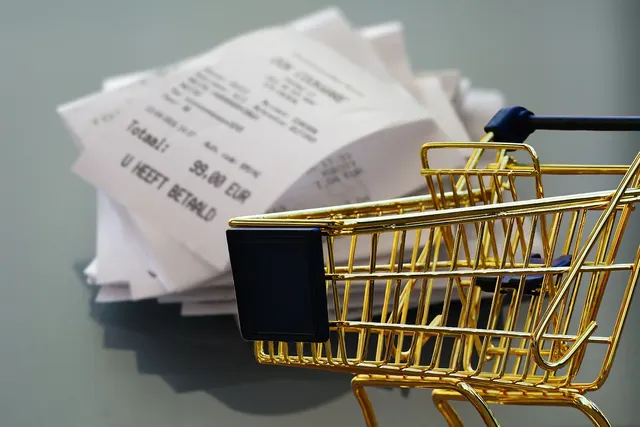
Photo: Pixabay
On this page 7 sections
- Why Grocery Store Gift Card Fraud Starts at the Rack
- How Gift Card Draining and Barcode Tampering Work
- Stolen Credit Card Gift Card Purchases: The Chargeback Trap
- POS Limits and Tender Restrictions That Work
- Training Cashiers to Spot Gift Card Scams
- Third-Party Gift Card Mall Fraud: Working With Your Provider on Losses
- Next Steps for Your Store
Key takeaways
- Tampered gift cards and barcode-sticker swaps let fraudsters collect value your customers paid for, and the customer blames your store.
- Gift cards bought with stolen credit cards often turn into chargebacks, and you may still owe the gift card provider for the activated value.
- POS rules work better than cashier judgment alone: activation caps, tender limits, blocked manual entry and manager overrides.
- Read your gift card mall contract so you know who absorbs fraud losses and how quickly you must report them.
Grocery store gift card fraud usually starts at the rack of third-party cards near your registers. Fraudsters tamper with cards before anyone buys them, use stolen credit cards to buy large amounts of value, and pressure cashiers into transactions they shouldn't complete. This guide explains how card draining and barcode tampering work and why stolen-card purchases end in chargebacks. It also covers the POS settings, cashier habits and provider conversations that help reduce your losses.
Why Grocery Store Gift Card Fraud Starts at the Rack
Gift card racks sit in some of the busiest spots in a grocery store, and that placement makes them easy targets. Several features of the grocery environment work in a fraudster's favor:
- Cashiers are measured on speed. A lane full of shoppers with full carts leaves little time to inspect a gift card package.
- Racks are open and unattended. Anyone can handle the cards, take them out of the store, alter them and bring them back.
- Activated cards work like cash. Once value is loaded, it can be spent online or resold almost immediately, and it rarely can be recovered.
- Self-checkout removes the human check. A lane with no cashier is attractive to anyone using a stolen card.
- You are the activating merchant. Your store collects the payment and triggers the load. If that payment later turns out to be fraudulent, the loss often lands on you, depending on your provider agreement.
The economics make this worse. Grocers typically earn only a small commission on third-party gift card sales. A single fraudulent high-value activation can erase the profit from a long run of legitimate ones.
How Gift Card Draining and Barcode Tampering Work
"Gift card draining" covers several schemes that end the same way: a customer pays to load a card, and the fraudster spends the money first.
Number Harvesting and Resealing
The fraudster takes cards from the rack, opens the packaging, and records the card number and PIN. Some photograph them. Others scratch off the PIN area and then cover it again. The card is resealed and returned to the rack. When a real customer buys and activates the card, the fraudster sees the balance through an online balance checker and spends it right away.
Barcode Swaps and Stickers
In this version of gift card tampering, the fraudster places a printed barcode sticker over the legitimate barcode. The sticker points to a card the fraudster already holds. At the register, the cashier scans the sticker, and the customer's payment loads the fraudster's card. The card in the customer's hand never receives any value.
Illustrative example: A shopper buys a $200 gift card as a birthday present. The packaging carries a sticker barcode. The cashier scans it, the payment goes through, and the shopper leaves. Days later the recipient finds a zero balance. The money was loaded onto a card the fraudster held all along. The shopper comes back to your store angry, and your team has to sort it out with the provider.
Signs a Card Has Been Tampered With
Train cashiers and whoever stocks the rack to pull any card that shows:
- Packaging that is torn, re-glued, taped or puffy at the seams
- A barcode that sits slightly raised, looks blurry or doesn't line up with the printed design
- A PIN scratch-off area that is already scratched, covered with a new sticker or sealed with tape
- A card that slides loose inside packaging that should hold it firmly
- Card numbers on the package and the card that don't match
Stolen Credit Card Gift Card Purchases: The Chargeback Trap
A stolen credit card gift card purchase is among the most expensive types of grocery fraud. The pattern usually looks like this:
- Someone pays for several high-value gift cards with a stolen or counterfeit card.
- The authorization is approved because the account hasn't been reported yet.
- The cards are activated and drained, often quickly.
- The real cardholder disputes the charge with their bank.
- The chargeback reaches your store weeks later. By then, the gift card value is long gone.
The result is a double loss. The disputed funds are pulled back from you, and you may still owe your gift card provider for the value that was activated. Disputes involving gift cards are hard to fight because the value was delivered and spent. You usually can't show that the legitimate cardholder benefited.
Why How the Card Is Read Matters
The way a card is captured affects who bears the loss. Chip-read transactions generally give you stronger protection against counterfeit-card disputes than swiped or hand-keyed ones. Fraudsters know this, so they may claim a chip "isn't working" to push a cashier into a swipe or manual entry. Our explainer on EMV chip cards and the liability shift covers the details. Keep in mind that a chip read doesn't protect you from every dispute type, including some lost-or-stolen card claims.
Chargebacks Affect More Than One Sale
Repeated fraud chargebacks can change how your processor views your account. Grocers are usually considered lower risk, but a spike in disputes can trigger reviews and added scrutiny. To understand what keeps an account in good standing, read what processors look for in low-risk merchants. If your store also accepts EBT, see our guide to SNAP trafficking charges and how grocers lose EBT.
POS Limits and Tender Restrictions That Work
Cashiers shouldn't be your only defense. The most reliable controls are settings that apply on every lane, every shift. Many POS systems for grocery checkout and smart card terminals offer some form of item-level rules. Which controls you can actually enforce depends on your specific POS software, terminal and gift card provider integration, so confirm each one before you count on it.
| Control | What it stops | How to set it up |
|---|---|---|
| Activate only after approved payment | Activation without payment, cashier collusion | Confirm your POS integration with the provider enforces this order |
| Per-transaction and per-day activation caps | Bulk purchases with stolen cards | Set dollar or card-count limits on gift card SKUs |
| Block manual entry and fallback swipe on gift card sales | Keyed and counterfeit card fraud | Require chip or contactless for any sale that includes a gift card |
| Manager override above a set amount | High-value fraud attempts | Require a manager code before the sale completes |
| Manager approval for voids after activation | "Void and keep the card" schemes | Lock post-activation voids to supervisors |
| No gift cards bought with gift cards | Laundering of drained or stolen value | Exclude gift card tender on gift card SKUs |
| Gift cards excluded from self-checkout, or attendant required | Unwatched stolen-card purchases | Flag gift card SKUs to require attendant approval |
| Receipt shows last digits of the activated card | Barcode swaps | Have cashiers compare receipt digits with the card in hand |
| Daily exception report | Patterns across shifts and lanes | Review gift card activations, voids and overrides each morning |
If a control isn't available in your setup, ask your POS vendor and gift card provider whether it can be added, or build a manual procedure to cover the gap.
If your store runs self-checkout, gift cards deserve their own rules. Our guide to self-checkout costs and shrink for small grocers explains how to plan for that.
A Note on Restricting Tender Types
Some retailers accept only cash or debit for gift card purchases. That policy can cut stolen-credit-card losses. However, card network rules and some state laws limit how you can restrict or condition card acceptance. Confirm any tender policy with your processor before you roll it out. Once it's approved, post the policy at the rack and at the registers, and apply it the same way to every customer.
If your current system can't enforce item-level rules like these, it may be time to compare options. Our roundup of the best grocery store POS systems is a useful place to start.
Training Cashiers to Spot Gift Card Scams
POS rules handle the routine cases. Trained cashiers catch the unusual ones. Keep training short, practical and focused on what staff should do. Don't expect cashiers to investigate.
Red Flags at the Register
- A customer buying many high-value gift cards with nothing else in the cart
- Several failed card attempts before one goes through
- A customer claiming the chip doesn't work and asking for a swipe or manual entry
- A customer rushing the cashier or creating a distraction during activation
- One customer making repeat purchases on different lanes or at different times of day
- Card packaging that shows any of the tampering signs listed above
The Coerced Buyer
Not every suspicious gift card purchase involves a fraudster at your register. Sometimes the person paying is the victim. Scammers pressure people, often older shoppers, to buy gift cards and read the numbers over the phone. They may pose as a government agency, a utility, a tech support company or a relative in trouble. Warning signs include a nervous customer on the phone during checkout, or a customer who says the cards are for paying a bill, a fine or a tax. Legitimate agencies and utilities don't ask to be paid in gift cards.
A cashier can gently say: "We see a lot of scams that ask for gift cards. Is anyone asking you to pay a bill or a fine this way?" That one question sometimes stops a loss before it happens.
A Simple Cashier Routine
- Check the packaging and barcode before scanning.
- Insert or tap the card. Never key it in or swipe it for a gift card sale.
- Compare the last digits on the receipt with the card in hand.
- Call a manager for any sale over your set limit or anything that feels wrong.
- Never confront a suspected fraudster. Decline politely, let the manager handle it and note the time for video review.
Staff safety comes first. The goal is to stop the transaction, not the person.
Third-Party Gift Card Mall Fraud: Working With Your Provider on Losses
Third-party gift card mall fraud often comes down to your contract with the gift card program provider. Before a loss happens, find out what your agreement says about:
- Liability: Who absorbs the loss for tampered cards, fraudulent activations and chargebacks?
- Reporting windows: How quickly must you report suspected fraud to request a freeze or credit?
- Freeze and deactivation: Can the provider freeze a card's balance if you report it quickly enough?
- Packaging and displays: Does the provider offer tamper-resistant packaging, locking fixtures or secured displays?
- Fraud monitoring: Does the provider watch for unusual activation patterns at your store, and will they alert you?
- Customer complaints: What process should you follow when a customer reports a zero balance?
Keep Records That Support a Claim
When you report a problem, documentation strengthens your case. For each incident, keep:
- The transaction receipt and full card number, if available
- Time, lane and cashier
- Video footage covering the register and rack
- The physical card and packaging, especially if it was tampered with
Post the provider's fraud contact information in the manager's office so the shift supervisor can act right away instead of waiting for the owner. Terms differ from one provider to the next, so confirm your current agreement directly with yours. For contract or legal questions, consult a qualified professional.
Next Steps for Your Store
Start with a short audit:
- Move high-value cards to a spot cashiers can see, or behind the counter.
- Inspect the rack daily for tampering.
- Confirm which gift card controls your POS and provider integration support, then set activation caps and block manual entry where you can.
- Run a short training session on the red flags and the cashier routine.
- Read your provider agreement so you know exactly where your liability starts and ends.
MannyPay offers grocery payment processing along with POS systems and card terminals. If you'd like to talk through your payment setup, request a free quote. A MannyPay specialist will respond within one business day.
This article is for general educational purposes and is not legal, tax or financial advice. Card network rules and state laws change; confirm current requirements for your business.