Microblading Deposit Policy: Touch-Ups, No-Shows and Refunds That Hold Up
Build a microblading deposit policy that covers consultations, patch tests, touch-ups and no-shows, and holds up under Visa's dispute rules.

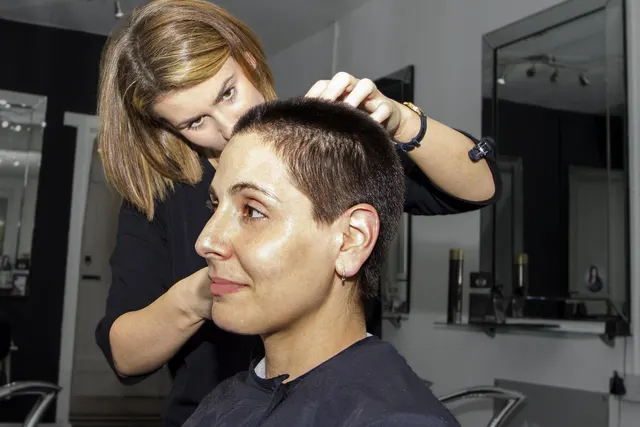
Photo: Pixabay
On this page 7 sections
- Why "Non-Refundable" Won't Protect Every Deposit
- Setting up Your Microblading Deposit Policy Stage by Stage
- Refunds When the Artist Says No
- Pricing the Microblading Touch-Up Fee
- A Worked Timeline: How Long a Client Can Dispute
- Disclosure That Holds up Online, by Phone and in the Chair
- The Evidence File That Answers "Not What I Paid For"
Key takeaways
- A disclosed "non-refundable" policy defends you only when the client cancels (Visa 13.7). It won't help if the studio called off the work (13.1).
- Keep consultation fees and booking deposits as separate charges, so a client you rule out gets a clean refund of the deposit only.
- A bundled touch-up the studio fails to deliver can keep the procedure charge open to disputes for 120 days after the touch-up date, not the payment date.
- Phone-booked deposits need proof that the client received and accepted the policy, such as a text reply.
A sound microblading deposit policy has four parts. It takes a modest booking deposit that counts toward the service price, keeps any consultation fee separate, decides refunds by who caused the change, and puts the touch-up terms in writing before the client pays. That setup follows how Visa handles disputes. Visa backs a limited cancellation policy only if you showed it to the client when they paid and then stuck to it. If the studio calls off the work and keeps the deposit, the policy won't protect you, whatever it says.
Permanent makeup (PMU) needs more than a standard salon booking rule because one client can mean several payments over several weeks. There's a consultation, sometimes a patch test, a long first session, and then a perfecting touch-up once the skin heals. Any of those stages can bring a no-show, a cancellation or an argument about money.
This is general information, not legal advice. Consumer protection law on deposits and refunds differs by state, and PMU licensing and health rules differ by state and locality. Have a qualified attorney review your final policy.
Why "Non-Refundable" Won't Protect Every Deposit
A lot of artists think writing "non-refundable deposit" settles any dispute. Visa's rules don't work that way. Under the Visa Product and Service Rules, you can set your own refund and cancellation policy, but you have to show it to clients in the ways the rules require. A policy shown that way protects you against one kind of dispute: Dispute Condition 13.7, Cancelled Merchandise/Services, which covers a client who changed their mind. To win it, you send records showing that you disclosed the policy when the client paid and that the client didn't cancel within its terms.
Two other dispute types matter more in PMU, and refund wording does little against either. The first comes up when the studio can't do the work. The client's bank doesn't need a cancellation claim then. Visa's dispute FAQ confirms that services that were never provided can be disputed under Condition 13.1, Merchandise/Services Not Received. That's your risk if you turn a client away at consultation and keep the deposit. The second comes up when the client says the brows aren't what they paid for. That's 13.3, Not as Described or Defective Merchandise/Services, and only records of what was agreed and what was delivered will answer it.
You also have to follow your own policy. Say your terms promise to move a deposit with 48 hours' notice, and you refuse a client who gives 72. Now the policy works against you.
Setting up Your Microblading Deposit Policy Stage by Stage
Set one payment rule for each stage of the work:
| Stage | What to Collect | What It Pays For |
|---|---|---|
| Consultation (in person or video) | A consultation fee, or nothing | Your time checking skin, shape, color and health history |
| Booking the procedure | A booking deposit that counts toward the final price | The held time slot, pigment matching and prep |
| Procedure day | The rest of the balance | The service, plus the touch-up if it's included |
| Touch-up | Included or a separate fee, plus a deposit to hold the slot | The perfecting session after healing |
Keep the consultation fee and the booking deposit separate, both in your written terms and in your payment records. The consultation fee pays for work you did that day. The deposit holds a future appointment. If you rule a client out at consultation, you keep the fee you disclosed and refund the deposit, and there's nothing to argue about. Put both in one charge and you'll end up arguing over how much of it you earned.
Base the deposit on what a no-show really costs you: chair time you can't fill on short notice, plus pigment and single-use supplies you've already set aside. A deposit so big it looks like payment in full invites the claim that you took money for a service you never provided.
Illustrative example: An artist charging $600 for microblading takes a $100 booking deposit that counts toward the total, so $500 is due on procedure day. These numbers are made up for this example. They aren't a recommended price.
Take the deposit when the client confirms a date. For phone bookings, a virtual terminal for phone and keyed payments lets you take it during the call. On an online booking page, 3-D Secure authentication for online deposits adds a step where the cardholder confirms their identity. That helps if a client later says they never approved the charge.
Refunds When the Artist Says No
Health screening causes many PMU deposit fights, because the client didn't cancel. You did, for a reason they didn't expect. Run intake according to your training and your state and local health rules. Keep health claims out of your marketing and your policy. Say plainly that you decide eligibility at the consultation and that a patch test may be needed first.
Then base refunds on who caused the change. Use this table as a starting point, and have your attorney confirm it works in your state:
| What Happened | Default Rule |
|---|---|
| Artist finds the client can't proceed at consultation | Refund the booking deposit; keep a disclosed consultation fee |
| Patch test shows the client shouldn't proceed | Refund the deposit, or put it toward another service if the client prefers |
| Temporary issue found at screening | Move the deposit to a new date within a set window |
| Client cancels with the required notice | Move or refund it, as your policy says |
| Client cancels late or doesn't show | Client loses the deposit, as disclosed |
| Artist cancels for any reason | Full refund or a new date, client's choice |
If you keep the deposit in the first, second or last row, you're setting up a 13.1 dispute you'll probably lose. If you catch the problem before the day's batch settles, a void is cleaner than a refund. Our glossary entry on voids vs. refunds and which costs less explains why. If a dispute has already been filed, read whether to refund a customer who already filed a chargeback before you do anything.
No-Shows and Late Changes
Your cancellation terms need four numbers:
- How much notice a client must give to move a deposit
- How many times they can move it
- How long a moved deposit stays good
- How many minutes late counts as a no-show
A first brow session leaves little room for a late start, so think hard about that last one.
Charging a no-show fee on top of the deposit to a saved card is a separate step. Visa's Stored Credential Transaction Framework says merchants who keep cards on file must tell the cardholder how the card will be used and get their consent before storing it. Name the fee, and when you'll charge it, in that consent. Our article on storing a customer's card on file safely and legally covers the wording and tokenization.
Pricing the Microblading Touch-Up Fee
The perfecting session comes after healing, several weeks after the first appointment. Follow your training on timing. Your policy should answer four questions. Is the first touch-up included? How long does the client have to book it? What does a later touch-up cost? If the touch-up is included and the client never books it, do they get any of that money back?
Including the touch-up is easier to explain. Charging for it separately makes the first visit look cheaper, but it adds a second charge the client can question. Many artists make an included touch-up non-refundable but let clients reschedule it within the window. Check that your state allows this. Price later color refreshes as a separate service.
Illustrative wording: "Your $600 microblading service includes one perfecting session if booked within [your window] of your first appointment. Later touch-ups are billed at our current color refresh rate."
Take a deposit when the client books the touch-up, too. A missed perfecting session wastes as much chair time as a missed first visit.
A Worked Timeline: How Long a Client Can Dispute
Here's an illustrative client. They pay a $100 deposit on Monday, March 2, 2026. They have the procedure and pay the $500 balance on Monday, April 6. They book the included touch-up for Monday, May 25. Under Visa rules, a cardholder has 120 days from the processing date to file most disputes. For services they never received, the 120 days start on the date they expected the service, with an outer limit of 540 days from processing.
| Charge | Clock Starts | Window Closes |
|---|---|---|
| $100 deposit | March 2 | June 30 |
| $500 balance | April 6 | August 4 |
| Included touch-up the studio doesn't provide | May 25 (expected service date) | September 22 |
Artists tend to miss the last row. If you can't deliver an included touch-up, the April charge stays open to disputes until late September. Keep every client file at least that long, and longer if your state's recordkeeping rules require it.
Your own deadline is much shorter. Processors set a response date that falls inside the network's window, and Chargeflow's guide to chargeback rules says those deadlines often land between 7 and 21 days. Build each client's evidence file as you go, so a dispute notice means uploading files you already have.
Disclosure That Holds up Online, by Phone and in the Chair
Visa's Dispute Management Guidelines say that for in-person and online sales, the cardholder must see your policy when they pay. How you do that depends on how the client books.
Online. Show the policy on the pages before the final checkout step, with a "click to accept" button or checkbox. You can also put it on the checkout screen next to the submit button. Use an unchecked box next to a one-line summary ("My $[amount] deposit counts toward my service. I lose it if I cancel with less than [notice] or miss my appointment") with a link to the full policy. Save the time the client accepted and which version of the policy they saw.
Phone. Visa lets you send the policy afterward by mail, email or text, but you have to prove the client got it and agreed to it. A reply of "Agreed" to your confirmation text is that proof. Texting clients comes with its own consent rules, which our guide to SMS marketing rules and TCPA compliance explains.
In the studio. Visa accepts terms printed on the receipt, or a separate form with a space for the client's signature or initials.
Plain wording wins disputes. "All deposits are non-refundable under any circumstances" protects you less than "If you cancel with [notice], we'll move your deposit to a new date. Late cancellations and no-shows lose the deposit. If we decide at consultation that you can't proceed, we'll refund it." The blanket version can conflict with state consumer law. It also makes your fair refunds look like favors you never promised.
The Evidence File That Answers "Not What I Paid For"
Healed color looks different from fresh work. That means a 13.3 claim filed a few days after the procedure can describe a result that won't last. Keep:
- A signed, dated intake and consent form where the client acknowledges that healed results vary
- A photo of the mapped shape with the client's written approval before you started
- Before, right-after and healed photos in the same lighting, with the client's consent to be photographed
- Signed aftercare instructions and the appointment history, including any touch-up they turned down
- Messages offering a free correction or praising the result, plus chip or tap receipts and online verification records
A client who skipped an included touch-up and then disputes the result has a weak case if you can show the written offer. Our article on salon chargebacks over haircut and color disputes walks through a response. Hair extension and color correction deposits applies the same thinking to services that use a lot of product. Intake forms contain health information, so store them securely, limit which staff can see them, and confirm your privacy obligations with a qualified professional.
This week, go through your own booking page as if you were a client. Do the deposit terms sit next to an unchecked acceptance box before payment? Does your system save when the client accepted? If not, fix that first. MannyPay offers payment processing for salons and spas, including POS systems, virtual terminals and online gateways for deposits, phone payments and in-studio balances. To look at options for your studio, request a free quote, and a MannyPay specialist will respond within one business day.
Sources
- Visa: Dispute Management Guidelines for Visa Merchants (June 2024)
- Visa: Dispute FAQ (April 3, 2020)
- PayKings: No-Refund Policy Rules: What Visa and Mastercard Require (citing Visa Product and Service Rules, April 2026)
- Chargeflow: Visa Chargeback Reason Codes (citing Visa Core Rules 11.8)
- Chargeflow: Credit Card Chargeback Time Limits
- Chargeflow: Chargeback Rules 2026
- Kount: Visa Reason Code 13.1, Merchandise/Services Not Received
- Moneris: Visa Stored Credential Transaction Framework Overview
This article is for general educational purposes and is not legal, tax or financial advice. Card network rules and state laws change; confirm current requirements for your business.