Payments News Today: November 18, 2026
Payment processing news for November 18, 2026: a 178-site card skimmer, the Fandango and Revolve breaches, and checkout fixes that limit your risk.

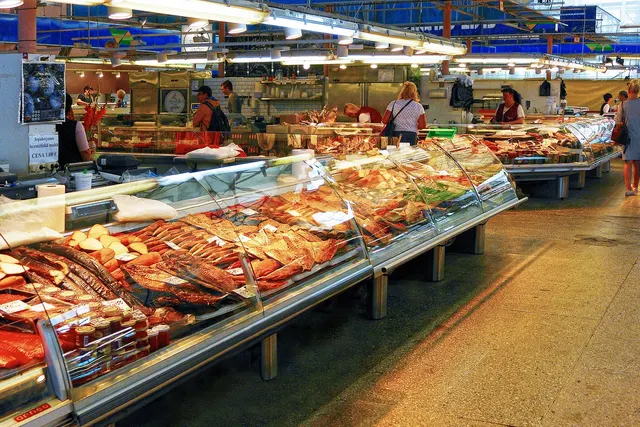
Photo: Pixabay
On this page 5 sections
Key takeaways
- In the Optimizely attack, card fields hosted by a separate payment provider were out of the skimmer's reach. Card numbers typed into a merchant's own form were not.
- Serving a third-party script from your own domain didn't protect anyone. The poisoned code came from the vendor's project either way.
- When stolen data includes CVVs, the card numbers were most likely captured as customers typed them. That points to the checkout page, not a stored database.
- The Revolve lawsuit centers on how long it took to warn shoppers. Settle who decides to notify, and what you'd say, before you ever need to.
Today's payment processing news for November 18, 2026, is mostly about checkout pages. On November 16, a hijacked website-testing script served a card skimmer to visitors of 178 organizations. Fandango confirmed that card data was exposed at its ticket checkout in October, and Revolve now faces a proposed class action that focuses on how long it took to warn shoppers. Visa, for its part, says a ransomware gang's claim traces back to a vendor in Asia-Pacific, not to its own network.
These stories share a pattern. The weak points are the scripts that run on your payment page and the vendors that can reach your systems. How fast you tell customers about a breach is also turning into a legal risk of its own.
A Hijacked Testing Script Skimmed Cards on 178 Sites
On November 16, attackers used a flaw in Optimizely's web experimentation platform to plant malicious JavaScript inside the snippet that Optimizely customers load on their sites. Security researcher Scott Helme of Report URI checked 1,611 Optimizely snippets and found injected code in 188 of them, belonging to 178 organizations, including Zoom, the BBC, CNN, IKEA, HSBC and Equifax, according to Help Net Security and Phoenix Security. Optimizely says it has fixed the flaw and removed the code, The Hacker News reports.
The payload had several jobs. It swapped crypto wallet addresses, stole cookies and screenshots, and from that afternoon on it captured card numbers, expiration dates and CVVs typed into a site's own payment forms. Card fields run by a separate payment provider were out of its reach. Report URI found that hosted payment iframes from providers such as Stripe and Adyen were untouched (Scott Ship Solutions summary). Report URI traced about $7,040 in crypto to wallets tied to the attack (SOFX). On cards, Helme was blunt: "We have no way to see how many credit cards were skimmed."
Three details from Report URI's analysis matter even if you have never used Optimizely:
- Self-hosting the script didn't help. Sites that served the snippet from their own domain got the same poisoned code, because it came from the same Optimizely project.
- One cleanup wasn't enough. Report URI watched a snippet that had been cleaned get infected again during the cleanup window.
- Content Security Policy (CSP) helped some sites. CSP is a browser rule that limits which scripts can load and where a page can send data. Of the 159 affected organizations Report URI crawled, 24 blocked the payload, 17 stopped the data theft but not the wallet swaps, 50 had a policy that let both through, and 68 had no policy at all.
The attack may also be part of something bigger. Separate research from Netskope suggests the wider campaign started as early as September, using other third-party software providers (Newsweek).
Where Your Card Fields Live Decides Your Exposure
This attack gives merchants a clean test. The table applies Report URI's finding to the three common ways online stores collect card numbers. The first row is our reasoning from that finding; Report URI tested hosted iframes, not redirects.
| Checkout setup | Who serves the card fields | Exposure to a skimmer like this one |
|---|---|---|
| Redirect to a processor-hosted payment page | The processor, on its own domain | Scripts on your site don't run on that page |
| Hosted fields (iframes) embedded in your checkout | The processor, inside your page | Out of reach, per Report URI |
| Your own HTML card form, even if it tokenizes afterward | You | Anything typed can be read by any script on the page |
If your store is in the third row, you have a decision to make. Ask your developer or platform for a list of every third-party script that loads on the checkout page: analytics, A/B testing, chat, tag managers, review widgets. Then ask whether card entry can move into hosted fields from your payment gateway. Every script you remove from the payment page is one less vendor whose breach becomes yours. If you're rebuilding checkout anyway, look over our online payment processing options and ask a MannyPay specialist whether a hosted payment page or hosted fields would work with your store's setup.
Fandango Data Breach: Card Data Taken at Ticket Checkout
Fandango is telling customers that card data entered on its checkout page between October 8 and 11, 2026, may have been accessed by an unauthorized party (SecurityWeek). The exposed data includes card number, CVV, expiration date, billing ZIP code and email address. Fandango says names, Social Security numbers and government ID details were not affected. It determined on October 30 who was affected (teiss), filed a notice in Vermont, and says it is not aware of fraud using the data so far.
Fandango hasn't said how the breach happened. BleepingComputer reported that card-skimming code was injected into the checkout page, as summarized by SC Media and eSecurity Planet. Fandango says it secured the page, brought in outside specialists, and is offering two years of credit and dark web monitoring, with enrollment open until February 13, 2027.
The CVV detail tells you what kind of breach this was. Payment industry rules bar merchants from storing CVV codes after a card is authorized, so when CVVs leak together with card numbers, the data was most likely captured as customers typed it (BreachNews). That points to the checkout page itself, which is the same weak point the Optimizely attack used. For event and ticketing sellers, the checkout page carries your biggest on-sale traffic, so it deserves the strictest script controls you have.
Revolve Data Breach Lawsuit Puts Notification Speed on Trial
A proposed class action filed in the U.S. District Court for the Northern District of Illinois says online fashion retailer Revolve waited weeks to notify more than 1.5 million shoppers that their payment card data was compromised (Law360, November 16). The complaint says Revolve treated the breach "as immaterial to itself while leaving affected customers to bear its consequences."
According to a summary of Revolve's regulatory filings published by Almeida Law Group, a plaintiffs' firm investigating the case, the breach happened on September 11 and was discovered on September 29. It exposed names, contact information, card numbers and expiration dates for customers who had saved payment details in their Revolve or FWRD accounts. CVVs were not listed. Revolve said the data was taken "through automated means" and hasn't explained further. Saved cards inside customer accounts are a common target of automated login attacks, so it's worth reading our guide on stopping credential stuffing if your store keeps cards on file.
The lesson for an apparel or boutique store selling online: the time between finding a breach and telling customers can be the basis of a lawsuit, separate from the breach itself. State breach-notification laws set their own deadlines and content rules, and this is general information, not legal advice. Before anything happens, decide who makes the call to notify, which outside counsel you would phone, and what a first customer notice would say. Our breach notification checklist and our guide to telling customers what you know before the investigation ends are good places to start.
Visa Third-Party Data Breach: What n0n Actually Hit
On November 16, the n0n ransomware gang listed Visa, Mastercard and JPMorgan Chase on its leak site and started a 48-hour countdown (OODA Loop). Visa told Cybernews the incident began at a third-party service provider in Asia-Pacific and did not involve Visa's systems or payment data. Visa hasn't named the provider. The gang says it holds member profiles with names, personal emails and mobile numbers across Asia-Pacific markets. JPMorgan Chase says its recent outage came from a software bug and that it has no evidence of a cyberattack. So far, the claims against both companies rest on the gang's own listings (The Paypers).
The vendor angle is the useful part for merchants. Expedia, which n0n claimed on November 9, said attackers got in through a third-party data platform provider. Skift reported that researchers tied that attack to credentials of a former Expedia vendor, and that former customers of the vendor had never removed its access (RansomNews). Visa's own reporting released November 17 says incidents involving third-party agents rose 62% in the first half of 2026 compared with the previous six months (The CyberSec Guru).
None of this changes how you accept Visa cards today. Expect phishing emails that use these headlines and pose as Visa, your bank or your processor. Our earlier coverage of the hacker claims against Visa, Mastercard and Chase lists the steps worth taking.
What Today's Payment Processing News Means for Your Checkout
Most merchants can do these four things this week, before the holiday rush:
- Find out where your card fields live. If customers type card numbers into a form you serve, put moving to hosted fields or a hosted payment page at the top of your list.
- List every script on your checkout page and remove the ones that don't need to be there. Marketing tags rarely need to run on the payment step.
- Ask your developer whether your site has a Content Security Policy and whether it limits where checkout pages can send data.
- Remove access for vendors you no longer use: old agencies, former app developers, retired plugins and integrations.
Our holiday credit card fraud checklist covers more of the prep worth doing before peak season.
Two open questions to watch: whether n0n publishes anything once its countdown runs out, and whether Report URI or the affected brands ever say how many cards the Optimizely skimmer captured. If you can't say for sure how your checkout collects card data, request a free quote and a MannyPay specialist will get back to you within one business day to talk through your options.
Sources
- Help Net Security: Malware Spread Through Optimizely Hits 178 Organizations
- The Hacker News: Hijacked Optimizely Scripts Served Card Skimmer and iOS Exploit Kits
- Phoenix Security: OPTIMJACK Optimizely Supply Chain Attack (citing Report URI)
- Scott Ship Solutions: Optimizely Cyberattack: Donation Page Risk (citing Report URI)
- SOFX: Hackers Exploit Optimizely Flaw to Serve Card-Skimming Malware Across 178 Websites
- Newsweek: Cyber Attack Hits 178 Major Websites
- SecurityWeek: Fandango Warns Ticket Buyers of Payment Card Data Exposure
- teiss: Fandango Notifies Customers of Checkout Page Breach
- SC Media: Fandango Media Reports Data Breach Involving Payment Card Information
- eSecurity Planet: Fandango Data Breach Puts Card Numbers and CVVs at Risk
- BreachNews: Fandango Data Breach Exposes Payment Card Details
- Law360: Revolve Sued Over Payment Card Info Breach Affecting 1.5M
- Almeida Law Group: Revolve Group, Inc. Data Breach Investigation
- Cybernews: Visa Confirms Cyberattack as Hackers Claim JPMorgan Was Hit Too
- OODA Loop: Visa Confirms Third-Party Cyberattack as Ransomware Gang n0n Targets Financial Giants
- The Paypers: Ransomware Gang n0n Claims Visa and JPMorgan Chase as Victims
- RansomNews: n0n Lists Eli Lilly, Visa and JPMorgan: Visa Blames Supplier
- The CyberSec Guru: n0n Claims on Visa, Mastercard and Chase: What Is Verified
This article is for general educational purposes and is not legal, tax or financial advice. Card network rules and state laws change; confirm current requirements for your business.