Selling 7-OH Tablets at a Gas Station: Is Your Card Account at Risk?
Selling 7-OH at a gas station can put card acceptance for fuel and groceries at risk. Learn how processors find out and how to weigh the trade-off.

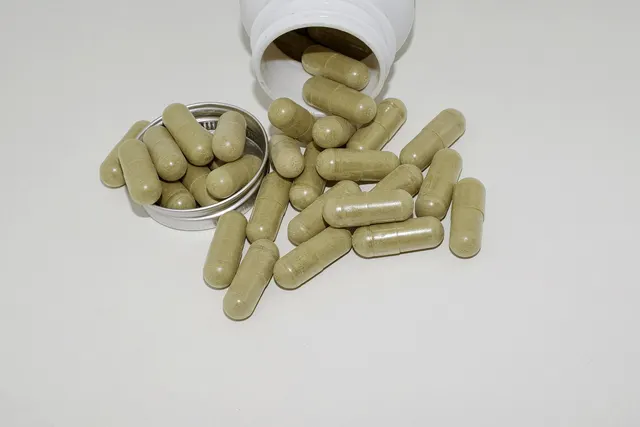
Photo: Pixabay
On this page 7 sections
- Why 7-OH Showed up on Convenience Store Counters
- How Your Processor Finds Out What You Sell
- What's at Stake: Fuel, Grocery, and Lottery Card Sales
- Does Your Fuel Brand or Supplier Agreement Prohibit It?
- Running 7-OH on a Separate C-Store Merchant Account
- Selling 7-OH at a Gas Station: Is the Margin Worth the Risk?
- Next Steps for C-Store Owners
Key takeaways
- If your store runs fuel, grocery and counter sales on one merchant account, a single undisclosed product line can put the whole store's card acceptance at risk.
- Processors learn what you sell through applications, site reviews, online monitoring, chargebacks and periodic reviews. Keeping 7-OH behind the counter does not hide it.
- Fuel brand, supplier, lottery and lease agreements can restrict 7-OH no matter what your processor allows.
- Processing 7-OH by card requires full disclosure to a processor that knowingly accepts it, often on a separate high-risk account. That still has to be weighed against the revenue at stake.
If you're selling 7-OH at a gas station, or a distributor is pushing you to start, the real question isn't whether the tablets will sell. The question is what happens to the card account that runs your pumps, coolers and register if your processor decides it doesn't want that product on its books. This guide covers why 7-OH ended up on convenience store counters, how processors find out what you sell, what a termination can cost you, which contracts besides your processing agreement matter, and how to judge whether the margin is worth the exposure.
This article is general information, not legal advice. 7-OH's legal status varies by state and is under federal review. Confirm current rules with a qualified attorney before you stock or sell it.
Why 7-OH Showed up on Convenience Store Counters
7-OH (7-hydroxymitragynine) is an alkaloid related to kratom. It's usually sold as concentrated tablets, shots or small blister packs. Convenience store 7-OH sales took off for the same reasons any counter item does:
- Small footprint. A countertop display or a spot in the locked case behind the register takes up little space.
- Impulse and repeat purchases. Customers see it while they're already paying for fuel, drinks or tobacco.
- Distributor push. Wholesalers often pitch it as a higher-margin item than much of what's inside the store.
The same traits that made it a fast seller also drew attention from regulators. Some states and localities have restricted or banned 7-OH products, and federal agencies have looked at scheduling it. Our guide to DEA scheduling of 7-OH and your card processing explains why that matters for payments. To check your own state, start with our overview of states where 7-OH is banned or restricted. The rules keep changing, so confirm the current status before every reorder, not just once.
Why Processors See It Differently Than You Do
To you, 7-OH is one more SKU. To an acquiring bank, it's a product with legal uncertainty and regulatory scrutiny. That puts it in the same high-risk group as kratom, CBD and vape. Many mainstream processors don't allow it at all. Others accept it only through specialized high-risk underwriting, which can come with added review, reserves or higher pricing. Our explainer on 7-OH credit card processing fees, reserves and holds shows what that typically looks like.
How Your Processor Finds Out What You Sell
Your merchant account was approved for a specific business: fuel and convenience retail. If you add a product line the processor considers restricted, you've changed the business it underwrote. Here's how that usually comes to light:
- Your application and agreement. Merchant agreements generally ask you to describe what you sell, and many require you to notify the processor of material changes. Adding a restricted category without telling them can breach that agreement.
- Periodic reviews. Acquirers re-review accounts from time to time. They may ask for updated product lists, photos or signed attestations.
- Site inspections. Some processors and their partner banks conduct in-person or photo inspections, especially for higher-volume or flagged locations.
- Online and social media monitoring. Monitoring tools can find a Facebook post announcing "7-OH tablets now in stock," a Google Business photo of your counter display, or a distributor's website listing your store as a retailer.
- Transaction patterns. A sudden rise in counter sales, ticket sizes that don't match fuel or snacks, or late-night spikes can trigger questions.
- Chargebacks and complaints. A dispute from a customer who regrets a purchase can lead the processor to ask exactly what was sold.
- News and enforcement activity. Risk teams notice local raids, health department actions and news stories that name stores selling 7-OH.
Keeping 7-OH Behind the Counter Doesn't Hide It
Keeping 7-OH behind the counter is sensible merchandising. It limits shoplifting and lets clerks check ID if your state, or your own store policy, requires age verification. It does nothing to change what you owe your processor in disclosure.
Ringing 7-OH as "misc grocery," "general merchandise" or an open department key is miscoding, and it can be treated as transaction laundering. That conduct can lead to termination and, in some cases, placement on the MATCH list. A MATCH listing can make it very hard to get any merchant account for years.
What's at Stake: Fuel, Grocery, and Lottery Card Sales
Many c-stores run everything through one merchant ID: pump transactions, inside sales, and sometimes car wash codes and food service. If your store is set up that way and the account is terminated, the damage isn't limited to the 7-OH display.
| What's on the account | What happens if card acceptance stops |
|---|---|
| Pay-at-the-pump fuel | Outdoor dispensers can't take cards; customers who don't want to walk in may drive to the next station |
| Inside fuel prepay | Every card customer has to come inside or pay cash |
| Grocery, drinks, snacks | Basket sizes may shrink as customers spend only the cash they carry |
| Fleet and commercial cards | Fleet drivers are often limited to certain stations, and you may lose them |
| Food service, car wash | Add-on sales that depend on card customers drop |
Lottery works a bit differently. State lottery rules govern how tickets may be paid for, and your lottery retailer contract is with the state, not your processor. But a store that loses card acceptance usually sees less foot traffic overall, and lottery sales follow foot traffic. Your lottery agreement may also have its own conduct requirements, so read it.
A termination can also come with held funds. Processors may hold settlements or a reserve after an account closes to cover possible chargebacks. If that has already happened to you, see our guide on getting held funds back after a 7-OH termination. Your bank may also take a closer look at your accounts. Our article on business banking options after a 7-OH account closure covers that situation.
Does Your Fuel Brand or Supplier Agreement Prohibit It?
Your processor isn't the only party with a say. Before you stock 7-OH, pull these documents and read the sections on merchandise, conduct and compliance:
- Fuel brand or dealer agreement. At many branded stations, card sales run through a payment network or POS that the fuel supply agreement specifies. If that applies to you, the brand's rules govern what you can sell and how it's processed, not just a third-party processor's rules. Image standards and prohibited-merchandise clauses can also apply.
- Jobber or wholesale supply agreement. Distributor contracts can include compliance-with-law and brand-protection clauses.
- Lottery retailer agreement. Check for conduct or compliance provisions tied to your license.
- Lease. Some commercial leases restrict certain products or uses, or require you to comply with all laws on the premises.
- Insurance policy. Product liability and general liability coverage may exclude certain product categories. Ask your agent directly.
- State and local licensing. Some jurisdictions regulate kratom-related products through retail licensing, age limits or labeling rules.
If any agreement is unclear, get the answer in writing from the brand, supplier or landlord, and have an attorney review it. A sales rep telling you "everyone sells it" won't protect your fuel contract.
Running 7-OH on a Separate C-Store Merchant Account
Some owners ask whether they can isolate 7-OH on its own terminal and a dedicated c-store merchant account for 7-OH sales. That can be legitimate, but only if everything is disclosed and nothing is hidden.
A separate account isn't the only compliant route. If your existing processor knowingly accepts 7-OH and approves it for your location, it can sit on a fully disclosed account. Your fuel processor or brand network may not accept it, though, and that's usually why owners look at separating it.
What a Compliant Setup Looks Like
- A separately underwritten high-risk account with a processor that knowingly accepts 7-OH. The application should list the product, your location and how you sell it. Our guide to getting approved for a 7-OH merchant account walks through the documents underwriters typically request.
- Disclosure to your primary processor and fuel brand. A second account doesn't change the fact that 7-OH is sold at your location. If your main processor or your brand prohibits the product on the premises, a separate merchant ID doesn't solve that.
- A dedicated terminal and clean POS setup. 7-OH sales ring up only on the 7-OH terminal, under their own SKUs. They never run through the fuel or grocery terminal, even when the line is long.
- Clear receipts and descriptors so customers recognize the charge on their statements, which helps reduce disputes.
- Written state compliance checks kept on file, including age verification if your state requires it.
A gas station kratom tablets processor that also accepts 7-OH will usually charge more than your fuel account does. Expect a possible rolling reserve and closer monitoring as well. A countertop device from MannyPay's smart terminals lineup can be set aside for the counter where the product is kept.
What a Separate Account Is Not
It's not a way to keep your main processor from finding out. It's also not a reason to split one customer's basket across two terminals to stay under the radar. Card network rules and your agreements treat that kind of concealment seriously. If a provider suggests coding 7-OH as something else, walk away.
Selling 7-OH at a Gas Station: Is the Margin Worth the Risk?
Run the numbers for your own store before you decide. Here's a framework using illustrative figures only:
| Line item | Illustrative monthly figure |
|---|---|
| 7-OH sales | $5,000 |
| Gross margin on 7-OH (illustrative 40%) | $2,000 |
| Higher processing cost on a high-risk account | Subtract your quoted rate × 7-OH card volume |
| Rolling reserve held | Cash tied up, not lost, but unavailable |
| Compliance time (state checks, ID checks, recordkeeping) | Your labor cost |
| Net contribution | Something less than $2,000 |
Now compare that with the downside. Ask yourself:
- What's your total monthly card volume across fuel and inside sales?
- How many days could you operate cash-only before your regulars switch stations?
- Would losing your fuel brand agreement end the business outright?
- Could the reason for a termination follow you to your next processor application?
- If your state restricts 7-OH next year, what happens to the inventory you're holding?
For many fuel retailers, a few thousand dollars a month in counter margin is small next to the card volume running through the pumps. For others, especially independents with no brand restrictions and a properly approved, fully disclosed account, the math may work. Either way, make the decision deliberately, with written answers from every party who has a say.
If you want to protect margins without adding a risky product line, cost programs such as cash discount pricing for convenience stores or dual pricing are another way to look at the numbers. Confirm card network rules and your state's requirements before you change how you price.
Next Steps for C-Store Owners
- Confirm 7-OH's current legal status in your state and locality with an attorney.
- Read your merchant agreement, fuel brand contract, supplier agreement, lottery contract, lease and insurance policy.
- Tell your current processor before you stock 7-OH, not after.
- If you go ahead, process 7-OH only on a fully disclosed account with a processor that knowingly accepts it. That is often a separate high-risk account, with the product kept off your main terminals.
MannyPay offers high-risk merchant accounts, including underwriting for 7-OH businesses, alongside standard retail processing. Approval depends on underwriting, and terms vary by business. To review your setup, request a free quote and a MannyPay specialist will respond within one business day.
This article is for general educational purposes and is not legal, tax or financial advice. Card network rules and state laws change; confirm current requirements for your business.