7-OH vs. Kratom Leaf: Why Processors Underwrite Them Differently
Weighing a 7-OH vs. kratom merchant account? Learn why processors underwrite them differently and what to ask before adding 7-OH to your store.
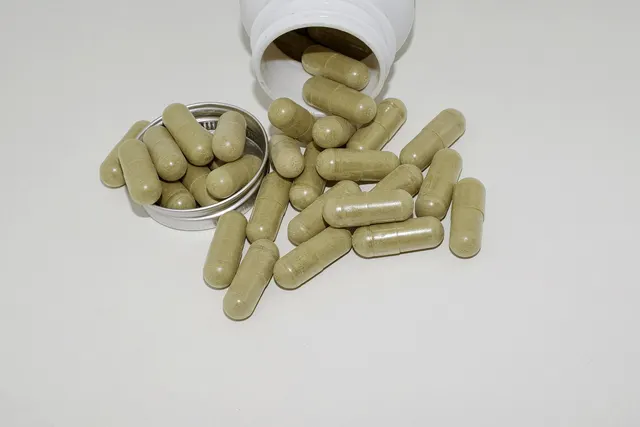
Photo: Pixabay
On this page 8 sections
- 7-OH vs. Kratom Merchant Accounts: How Underwriters Sort Leaf, Extract, and 7-OH
- 7-OH vs. Mitragynine: Why Regulators Single Out 7-OH
- Adding 7-OH to a Kratom Store: Will It Breach Your Current Account Terms?
- Processors That Allow Kratom but Prohibit 7-OH
- Reserve and Rate Changes When You Add 7-OH
- Is Adding 7-OH Worth Risking Your Approval?
- Questions to Ask Your Processor Before Stocking 7-OH
- Next Steps
Key takeaways
- Underwriters treat traditional kratom leaf, concentrated kratom extracts and 7-OH products as separate risk categories.
- Adding 7-OH without telling your processor can breach your account terms and lead to holds, reserves or termination.
- Many processors and acquiring banks that approve kratom still prohibit 7-OH. You need written confirmation before you stock it.
- Price in re-underwriting, possible reserves and rate changes before you decide whether 7-OH is worth the risk to your approval.
If you sell kratom leaf and already have a working card account, adding 7-OH is a merchant account question as much as an inventory question. Your processor approved a specific product profile, and 7-OH falls outside it. This guide explains how underwriters sort leaf, extracts and 7-OH products, why regulators treat 7-OH separately, and how adding it can affect your current approval. It closes with the questions to ask your processor before anything goes on the shelf or your website.
This article is general information, not legal advice. Kratom and 7-OH laws vary by state and are changing. Confirm your obligations with a qualified attorney before you add or change products.
7-OH vs. Kratom Merchant Accounts: How Underwriters Sort Leaf, Extract, and 7-OH
Underwriters don't see "kratom" as one product. They group what you sell by how concentrated it is, how it's marketed and how much regulatory attention it draws. A kratom merchant account approved for leaf powder may not cover anything beyond that.
Traditional Leaf Products
Dried leaf powder, capsules filled with ground leaf, and loose leaf are the most established category. They're still high-risk. Underwriters will look at your sourcing, labeling, age restrictions and the states you ship to. But many high-risk programs have experience with leaf-only merchants.
Kratom Extracts and Enhanced Products
Extracts, liquid shots and "enhanced" leaf products sit in the middle. Kratom extract payment processing usually triggers more questions: lab testing documentation, how potency is described on labels, and whether marketing crosses into health claims. Some programs that accept leaf will accept extracts only after a separate review.
7-OH Products
Products sold specifically as 7-OH (tablets, isolates and similar concentrated formats) are often treated as their own category. Many underwriters put them closer to the most restricted end of the spectrum, alongside other products under active regulatory scrutiny.
| Category | Common Formats | How Underwriters Tend to View It |
|---|---|---|
| Traditional leaf | Powder, capsules, loose leaf | High-risk but established; standard high-risk review |
| Extracts and enhanced | Shots, tinctures, extract blends | Higher scrutiny; often requires separate approval |
| 7-OH products | Tablets, isolates, concentrated formats | Frequently prohibited or approved only under specific programs |
7-OH vs. Mitragynine: Why Regulators Single Out 7-OH
Mitragynine is the primary alkaloid in kratom leaf. 7-hydroxymitragynine (7-OH) occurs in the leaf only in trace amounts. Products marketed as 7-OH typically contain far more of it than leaf does. Some are made by chemically converting mitragynine rather than extracting 7-OH from the plant.
That distinction is why the 7-OH vs. mitragynine question matters to a processor. Federal health officials have publicly pushed to treat concentrated 7-OH products differently from traditional kratom, and a number of states have moved to restrict or ban them. Because the rules are shifting, confirm current federal and state status before you rely on anything you've read. Our guide to what DEA scheduling of 7-OH means for card processing covers the federal side in more detail.
For your acquiring bank, the concern is practical:
- Legal change mid-relationship. A product that's legal when you're approved could become restricted later, leaving the bank exposed.
- State patchwork. Online sellers must block shipments to restricted states, and in-person sellers must know their local rules.
- Reputational and network risk. Banks answer to card networks and their own regulators, and concentrated products draw more attention than leaf.
None of this is a judgment about the product itself. It explains why the same underwriter who is comfortable with leaf may decline 7-OH.
Adding 7-OH to a Kratom Store: Will It Breach Your Current Account Terms?
Before adding 7-OH to a kratom store, read your merchant agreement. Most processing agreements tie your approval to the business and products you described in your application. They also require you to notify the processor before materially changing what you sell.
How Processors Find Out
Undisclosed product changes rarely stay hidden. Processors and their banks monitor merchants through:
- Periodic website and social media reviews
- Shifts in average ticket size or transaction patterns
- Chargeback reason codes and customer complaints
- Test purchases and in-store visits in some programs
- Card network monitoring programs that flag high-risk merchants
What Happens If You Add It Without Approval
Consequences depend on your agreement and your processor, but they commonly include:
- Funding holds while the account is reviewed
- A new or larger reserve
- Rate changes or a move to a different pricing tier
- Account termination, which in some circumstances can come with a MATCH listing that makes future approvals much harder
If this has already happened to you, see our guide on recovering held funds after a 7-OH termination.
Don't Disguise the Product
Some sellers are tempted to ring 7-OH under a generic description, run it through a second account opened for a different product, or split transactions to stay under review thresholds. These practices misrepresent your business to the bank. They can violate card network rules and turn a manageable situation into a termination. Our article on the miscoding risk of ringing 7-OH as herbal supplements explains why. The only safe path is disclosure and written approval.
Processors That Allow Kratom but Prohibit 7-OH
It's common for a processor's acceptable-use policy to permit kratom leaf while listing 7-OH, concentrated kratom alkaloids or "synthetic" kratom products as prohibited. The acquiring bank usually sets these limits, so a sales rep's verbal "should be fine" doesn't change them.
Concentrated kratom products carry several risks that leaf doesn't:
- Regulatory action specifically naming 7-OH
- Greater potential for consumer complaints and disputes
- Retail settings, such as convenience counters, where age checks and product handling vary
- Uncertainty about how card networks may treat the category in the future
Mainstream payment platforms tend to be the strictest. If you're considering one, read our breakdown of whether Square, Stripe, or Shopify allow 7-OH before you try.
The channel matters too. A storefront selling 7-OH tablets at the register faces different questions than an online shop shipping nationwide. Counter sellers should review the risks in selling 7-OH tablets at a gas station. Online sellers will need dependable controls for blocking restricted states at checkout.
Reserve and Rate Changes When You Add 7-OH
Even when a processor will approve 7-OH, expect it to treat the addition as a re-underwriting event. That can change your terms.
Reserves
A reserve is money the processor holds back to cover potential chargebacks or losses. Common structures include:
- Rolling reserve: A percentage of each day's sales is held for a set period, then released on a rolling basis.
- Upfront reserve: A lump sum is held before or at the start of processing.
- Capped reserve: Holdbacks continue until a target balance is reached.
Illustrative example only: Suppose a store processes $30,000 a month in leaf sales with no reserve. After adding 7-OH, it is placed on a rolling reserve that holds back a portion of daily deposits for several months. The store's sales haven't dropped, but its available cash has. Plan for that gap before you buy inventory.
Rates and Funding Timing
Your rate tier, per-transaction fees or monthly fees may change, and funding may be delayed while the new product mix is reviewed. Actual terms vary by processor, sponsoring bank and your history, so get them in writing. For a deeper look at how pricing works in this category, read our guide to 7-OH credit card processing fees, rates, reserves, and holds.
Is Adding 7-OH Worth Risking Your Approval?
There's no universal answer, but you can weigh it honestly.
| Factor | Leans Toward Waiting | Leans Toward Applying |
|---|---|---|
| Current account | Stable, leaf-only, clean history | Processor already supports 7-OH in writing |
| State law | Restricted or unclear where you sell or ship | Clearly permitted, with an attorney's confirmation |
| Cash flow | Can't absorb a reserve or funding delay | Can handle holdbacks without strain |
| Compliance controls | No age verification or state blocking yet | Age checks, lab results and geo-blocking in place |
| Revenue share | 7-OH would be a small add-on | Customer demand is significant and documented |
If your leaf business is healthy and your processor prohibits 7-OH, adding it may put your entire card acceptance at risk for a minor product line. If you're determined to carry it, the legitimate route is a fully disclosed application to a processor that approves 7-OH. That could mean moving your whole business or opening a separately approved account. Either way, the bank should know about every product you sell.
Questions to Ask Your Processor Before Stocking 7-OH
Get answers in writing, ideally by email or as an addendum to your agreement.
- Does my current approval cover 7-OH, or only kratom leaf and specific extracts?
- Is 7-OH on your acquiring bank's prohibited or restricted list?
- If you allow it, what documentation do you need, such as lab results, labels, supplier information or website screenshots?
- Will adding 7-OH trigger a reserve, a rate change or delayed funding? On what terms?
- Which states do you require me to block, and how will you verify that I'm doing it?
- What age verification do you expect for in-person and online sales?
- What happens to my account if federal or state law changes after approval?
- If my agreement is terminated over product mix, how and when are reserves released?
It's also worth having a banking backup in place. Some sellers lose deposit accounts over the same products, so read our guide on business banking options if your bank closed your account over 7-OH.
Next Steps
Leaf, extracts and 7-OH sit in different risk tiers. Treat adding 7-OH as a new application, not a routine inventory change. Read your agreement, confirm the law where you sell, and get written approval before your first 7-OH sale.
MannyPay provides merchant accounts for low- and high-risk businesses, including high-risk processing for regulated products. If you're evaluating options, our 7-OH payment processing page and our guide on how to get approved and stay open selling 7-OH products are good starting points. Approval depends on underwriting and isn't guaranteed. When you're ready, request a free quote and a MannyPay specialist will respond within one business day.
This article is for general educational purposes and is not legal, tax or financial advice. Card network rules and state laws change; confirm current requirements for your business.