Accepting Payments for 7-OH Online When Cards Say No
Compare 7-OH online payment options (ACH, eCheck, pay-by-bank and crypto) on cost, conversion, return risk and staying power so your store keeps selling.

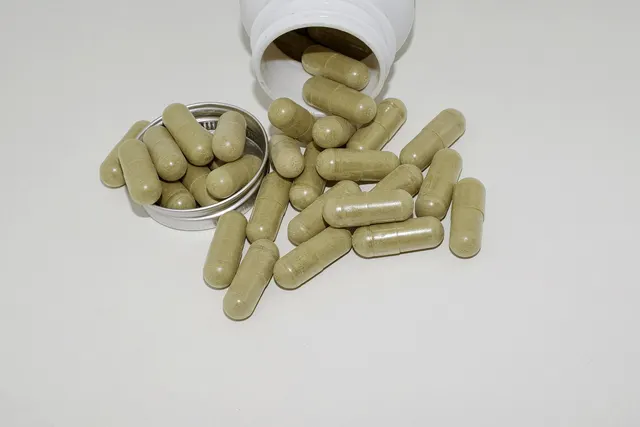
Photo: Pixabay
On this page 9 sections
- Why Card Acceptance Is Hard for Online 7-OH Stores
- 7-OH Online Payment Options Compared
- ACH Payments and eCheck for a 7-OH Store: Costs, Returns, and Network Rules
- Pay-by-Bank Apps: Who Allows 7-OH
- Crypto Payments for 7-OH: Volatility, Conversion, and Compliance
- Payment Methods That Will Get You Shut Down
- Keeping Checkout Conversion up Without Cards
- Stacking Methods so One Shutdown Doesn't Stop Sales
- Next Steps
Key takeaways
- ACH and eCheck are widely used card alternatives for 7-OH web stores, but high return rates can end an account fast.
- Pay-by-bank and crypto processors keep their own restricted-product lists, so confirm in writing that 7-OH is allowed before you integrate.
- Miscoding, running sales through someone else's account or using personal payment apps leads to shutdowns and possible blacklisting.
- Several disclosed, approved payment methods protect revenue better than a single provider does.
If your card processor has declined your application or closed your account, you are not the only 7-OH seller in that position. Choosing among 7-OH online payment options is now a core business decision for web stores in this category, because many acquirers either won't board 7-OH or price it as high risk. This guide compares the methods 7-OH stores use: ACH, eCheck, pay-by-bank and crypto. It looks at each one's cost, checkout conversion, return risk and staying power. It also covers the shortcuts that get stores shut down and how to combine methods so a single termination doesn't stop your sales.
This article is general information, not legal, tax or compliance advice. The legal status of 7-OH differs by state and is changing at the federal level. Confirm your obligations with a qualified attorney and with every payment provider you work with.
Why Card Acceptance Is Hard for Online 7-OH Stores
Card acquirers and their sponsor banks evaluate risk at three levels: the product, the sales channel and the regulatory outlook. 7-OH stores raise concerns at all three.
- Regulatory uncertainty. Some states and localities restrict or ban 7-OH, and federal agencies are paying attention to it. Banks avoid categories where a product could become illegal partway through a processing relationship. Our explainer on what DEA scheduling of 7-OH would mean for card processing explains how that risk reaches merchant accounts.
- Underwriting separate from kratom leaf. Many processors that accept traditional kratom leaf still decline concentrated 7-OH products. The reasons are covered in why processors underwrite 7-OH and kratom leaf differently.
- Card-not-present exposure. Online orders bring more fraud and chargebacks than face-to-face sales. Repeat-purchase products add disputes from customers who forget they signed up for auto-ship.
- Platform policies. The mainstream payment platforms bundled with popular store builders often prohibit 7-OH in their terms. Stores that ignore those terms can lose access to their funds.
None of these obstacles makes card acceptance impossible, and a high-risk merchant account may be available depending on underwriting. Every 7-OH store still needs a plan for times when cards are unavailable or get taken away.
7-OH Online Payment Options Compared
The table below is a qualitative overview. Actual pricing, reserves and approval depend on your provider, your sales history and your compliance setup.
| Method | Relative Cost | Checkout Conversion | Return/Reversal Risk | Staying Power |
|---|---|---|---|---|
| ACH debit | Usually lower per transaction than high-risk cards; return fees and reserves can add up | Moderate; improves with instant bank verification | Returns can arrive after you ship; windows vary by return type | Good if return rates stay low |
| eCheck | Similar to ACH (eCheck payments typically clear through ACH) | Moderate | Same as ACH, plus check-verification declines | Depends on provider |
| Pay-by-bank | Varies widely by provider | Can be strong when customers recognize their bank's login flow | Lower fraud with authenticated accounts; returns still possible | Many providers restrict 7-OH |
| Crypto | Processor fees vary; network fees fluctuate | Low; relatively few customers pay with crypto | No chargebacks; refunds handled manually | Depends on the processor's restricted list |
ACH Payments and eCheck for a 7-OH Store: Costs, Returns, and Network Rules
For many stores, ACH payments for 7-OH are the main alternative to cards. The customer authorizes you to debit their checking account, and the payment settles through the ACH network over the next few business days.
What It Costs
High-risk ACH providers usually charge a per-transaction fee, a monthly fee and separate charges for each return. Many also hold a reserve, as a high-risk card account would. Ask for the complete fee schedule, including return fees, and model it against your order volume before you sign.
eCheck vs. ACH
At an eCheck for 7-OH store checkout, the customer enters routing and account numbers or links an account. The payment then processes through ACH the same way. Some eCheck products also run the account through a check-verification database first. That screening can lower returns, but it can also decline legitimate customers.
Returns Are the Real Risk
Cards produce chargebacks. ACH produces returns, such as insufficient funds, closed accounts and customer claims that a debit was unauthorized. Two points matter most:
- Returns can come back after you have already shipped the order.
- Return windows vary by return type, and unauthorized claims can arrive well after the sale. Ask your provider for the current timeframes.
ACH Network Rules in Plain English
The ACH network runs on a set of operating rules. Your provider's bank (the originating bank) is responsible for following them and passes those obligations to you through your merchant agreement. Broadly, the rules set expectations for customer authorization, fraud screening on online debits and return rates. Because the specifics change over time, ask your provider to put its current requirements in writing, including:
- The authorization language and records it needs from you, and how long you must keep them.
- The account validation or fraud screening it requires for online orders.
- The return-rate levels that trigger a review, and how it calculates them.
Our guide on ACH and eCheck as a backup for online vape stores covers setup in more detail, and its advice on authorization language carries over directly to 7-OH.
Recurring Orders by ACH
If you sell auto-ship plans, keep a record of each recurring authorization. It is also good practice to notify customers before amounts or dates change and to make cancellation easy. State automatic renewal laws may apply as well. See this state-by-state automatic renewal compliance map.
Pay-by-Bank Apps: Who Allows 7-OH
"Pay-by-bank" usually refers to open-banking checkouts. The customer logs in to their bank and approves the payment, and the funds move without anyone entering account numbers. Customers recognize the flow, account details are validated automatically and fraud tends to be lower than with manually entered ACH.
The hard part is getting permission. Each pay-by-bank provider keeps its own acceptable use policy, and many restrict or prohibit kratom, kratom derivatives or other products with unsettled regulatory status. Before you integrate:
- Read the provider's restricted-business list yourself.
- Describe your products accurately in the application, using "7-OH" by name.
- Get written confirmation that your products are approved.
Consumer peer-to-peer apps are a different category. Their user agreements commonly restrict commercial use and regulated products. Taking store payments through a personal P2P account is a fast way to get your funds frozen (see below).
Crypto Payments for 7-OH: Volatility, Conversion, and Compliance
Crypto payments for 7-OH draw interest because transactions can't be charged back. In practice, crypto works best as a supplement to your other methods.
- Volatility. Many merchants use a crypto payment processor that can convert to U.S. dollars at the time of sale, so a price drop doesn't reduce the payment you receive. Confirm the processor's conversion and settlement terms.
- Conversion. Relatively few customers keep a wallet funded and ready to spend. Offer crypto as an option, but don't expect it to replace your main payment method.
- Refunds. You can't reverse a crypto payment through the network. Every refund goes out manually, so write a clear refund policy that names the currency and exchange rate you will use.
- Compliance. Reputable crypto processors verify merchant identity and maintain their own restricted lists, and some exclude 7-OH. Crypto revenue also carries tax recordkeeping obligations, so ask your accountant how to record it.
Payment Methods That Will Get You Shut Down
Some approaches look like a fix but create a bigger problem. They violate card network and banking rules, and they can put your business on industry termination lists that follow you for years.
- Miscoding. Describing 7-OH as "herbal supplements," "botanicals" or "wellness products" to get approved is misrepresentation. Read the miscoding risk of ringing 7-OH as herbal supplements before anyone suggests it to you.
- Transaction laundering. Running your sales through another business's merchant account, or through a "front" website that sells something else, can be detected and is treated seriously.
- Personal accounts. Collecting store payments through personal P2P apps or a personal checking account can lead to frozen funds and closed bank accounts.
- Splitting or disguising orders. Breaking orders into smaller amounts or relabeling them to get past screening is a rules violation, whatever the intent.
- Unapproved platforms. Connecting a mainstream gateway that prohibits 7-OH often ends in a sudden shutdown and held funds. Our article on whether Square, Stripe or Shopify allow 7-OH covers what usually happens.
A vendor offering a "workaround" is asking you to carry the risk for them. Every provider you use should know exactly what you sell.
Keeping Checkout Conversion up Without Cards
Customers expect to pay by card, so a checkout without cards has to work harder to earn the sale. This matters when you're working out how to sell 7-OH online at a sustainable volume.
- Use instant bank verification. Logging in to a bank is faster and more reliable for customers than typing routing and account numbers.
- Explain the method in one line. For example: "Pay securely from your checking account. Your order ships once payment is verified."
- Show the bank statement descriptor. Tell customers what name will appear on their statement, because unrecognized descriptors lead to unauthorized claims.
- Save payment details for repeat buyers. With the customer's authorization, store their details so returning customers don't have to re-enter account information.
- Consider an incentive for paying by bank. Some merchants offer a small discount for ACH. Confirm with your provider and counsel how it must be disclosed.
- Block restricted states and verify age before payment. Orders you should never have accepted turn into returns and compliance problems. See how to block restricted states at checkout.
- Keep product pages factual. Avoid health or effect claims. Underwriters review your website, and claims like these can sink an application.
Stacking Methods so One Shutdown Doesn't Stop Sales
Depending on a single provider is the biggest operational risk for an online 7-OH store. A layered setup might look like this (illustrative):
- Primary: a high-risk card merchant account, if you can get approved, with clear disclosures and active chargeback management.
- Secondary: ACH/eCheck through a separate provider, with instant verification.
- Supplemental: pay-by-bank or crypto, where the provider has confirmed that 7-OH is allowed.
Guidelines for running a layered setup:
- Disclose everything to everyone. Each provider should know about the others and see your full product list. Never use a backup method to push volume that a provider has turned down.
- Use separate settlement banks where possible. Separate banks also protect you if one bank closes your account. Our guide to business banking options for 7-OH sellers covers that situation.
- Keep a cash cushion. Reserves and delayed settlement are normal in this category, so build them into your budget.
- Check your metrics weekly. Track return rates, chargeback ratios and refund volume for each method, and fix problems before a provider flags them.
- Keep your documentation current. Supplier certificates, product labels, age verification logs and state-blocking settings make every future application easier.
Next Steps
Start by reviewing the payment methods you accept today and identifying where a single shutdown would cut off revenue. Then add at least one disclosed backup method that has confirmed in writing it will accept 7-OH. If you want card acceptance too, read how to get approved for a 7-OH merchant account so your application arrives complete.
MannyPay works with high-risk and regulated merchants, including 7-OH businesses, and approval always depends on underwriting. Review MannyPay's payment processing for 7-OH merchants and its high-risk merchant account options. When you're ready, request a free processing quote, and a MannyPay specialist will respond within one business day.
This article is for general educational purposes and is not legal, tax or financial advice. Card network rules and state laws change; confirm current requirements for your business.