Ringing 7-OH as 'Herbal Supplements': The Miscoding Risk
7-OH transaction laundering can end your card acceptance. Learn how processors detect miscoded sales and how to disclose 7-OH the right way.

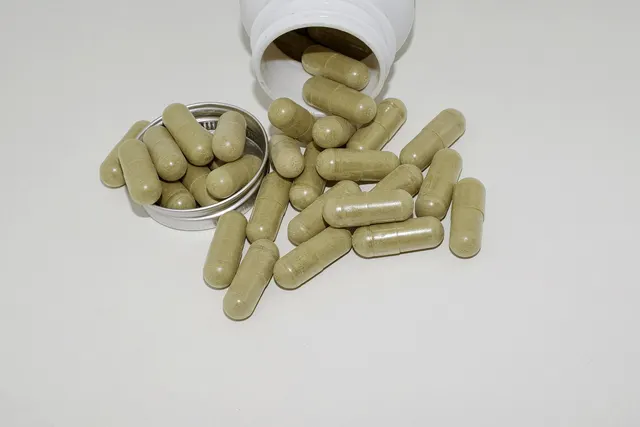
Photo: Pixabay
On this page 7 sections
- What 7-OH Transaction Laundering Means for a Seller
- How Processors Find Miscoded Sales: Web Crawlers, Test Buys, and SKU Data
- Transaction Laundering Penalties: Card Network Fines and How They Get Passed to You
- Why Merchants End up on MATCH for Hiding 7-OH Sales
- Disclosing 7-OH Properly to Your Current Processor
- Separating 7-OH Revenue From the Rest of Your Business
- Next Steps
Key takeaways
- Running 7-OH sales through an account approved for other products is transaction laundering, even if the underlying sale is legal where you operate.
- Processors detect miscoded sales through website crawling, test purchases, item-level data and chargeback patterns. Because these methods overlap, undisclosed sales are likely to surface eventually.
- Card network fines, reserves and terminations usually flow down to the merchant through the merchant agreement, and termination can lead to a MATCH listing.
- The safe route is written disclosure to your processor and a properly underwritten account for 7-OH, not a workaround.
If you sell 7-OH tablets or other 7-hydroxymitragynine products and your card account was approved for something else, such as "herbal supplements," "general retail" or "smoke shop accessories," you are exposed to 7-OH transaction laundering risk. This article explains what that term means for a 7-OH seller and how processors find miscoded sales. It also covers what fines and terminations look like, why merchants end up on the MATCH list, and how to disclose 7-OH properly so you can keep accepting cards.
This article is general information, not legal advice. 7-OH's legal status differs by state and is subject to changing federal and state action. Confirm your situation with a qualified attorney and your processor.
What 7-OH Transaction Laundering Means for a Seller
Transaction laundering happens when a merchant runs payments for goods or services that the account was not approved to process. It covers several practices:
- Selling an undisclosed product through an account underwritten for different products
- Processing sales for a separate business, website or storefront through your merchant account
- Using another merchant's account, or a "processor" that is really a front, to accept payments for your products
Whether 7-OH is legal where you sell it doesn't change the analysis. Your processor and its sponsor bank approved your account based on what you told them: your products, websites, expected volume and typical ticket. If you add a product line that card networks and acquirers treat as high risk and don't tell them, every one of those sales is processed under false information.
Selling 7-OH Under a Supplement MCC
Every merchant account carries a merchant category code (MCC). The code tells the card networks and issuing banks what kind of business is taking the payment. Issuers use it for risk scoring, and networks use it to apply rules to specific categories.
When 7-OH sales go through an account coded as a supplement retailer, a convenience store or a general merchandise seller, the MCC misrepresents the transaction. Calling 7-OH "herbal" or "botanical" on a receipt doesn't help, because processors judge the product, not its label. That is why miscoding high-risk products is one of the issues acquirers watch most closely.
Common Ways It Happens in 7-OH
These patterns show up repeatedly with 7-OH:
- A convenience store or gas station adds 7-OH tablets at the counter and rings them under a generic "misc." or "supplement" button.
- A kratom vendor approved for one product range adds 7-OH shots or tablets without updating its application.
- An online store approved for wellness products adds a 7-OH category, or links to a sister site that checks out through the original account.
- A seller dropped by one processor moves 7-OH sales onto an unrelated account they control.
How Processors Find Miscoded Sales: Web Crawlers, Test Buys, and SKU Data
Some merchants assume that hiding products from a payment processor will work if the volume stays small. That bet tends to fail because detection draws on several overlapping methods.
| Detection Method | What It Looks For | Where 7-OH Sellers Get Caught |
|---|---|---|
| Web crawling | Product names, images and keywords on your site and connected domains | 7-OH product pages, blog posts, or a linked storefront using your gateway |
| Test purchases | Real orders placed by monitoring services to see what gets charged and shipped | A "supplement" charge that arrives as a 7-OH product |
| Item-level and SKU data | Line-item descriptions from integrated POS systems or e-commerce platforms, where visible | Inventory entries or receipts naming 7-OH |
| Transaction patterns | Shifts in volume, ticket size, time of day or repeat-buyer frequency | A sudden rise in small, frequent counter purchases |
| Chargebacks and complaints | Disputes where the cardholder doesn't recognize the descriptor or the product | Customers who see an unfamiliar business name on their statement |
Why Brick-and-Mortar Isn't Invisible
In-person sellers often think this is mostly an online problem. It isn't. A counter sale at a smoke shop or gas station can still surface through:
- Item names in a cloud POS inventory
- Changes in your average ticket and transaction count
- Site inspections or periodic account reviews
- Customer disputes
If your shop sells tobacco, vape or kratom alongside 7-OH, your processor may already be reviewing your account more closely. For more on the counter-sale scenario, see our guide on selling 7-OH tablets at a gas station and card account risk.
Transaction Laundering Penalties: Card Network Fines and How They Get Passed to You
Card networks run compliance programs that can fine acquirers when their merchants process undisclosed or prohibited transactions. The specific programs, fine schedules and thresholds vary by network and change over time. Your processor can explain what applies to your account.
For a merchant, the key question is how those costs reach you. Most merchant agreements include clauses that let the processor:
- Pass through any network fines or assessments tied to your account
- Hold funds or impose a reserve to cover potential losses and chargebacks
- Terminate the account for misrepresentation, sometimes immediately
- Keep funds for an extended period after termination while disputes are resolved
In practice, transaction laundering penalties for a 7-OH seller usually show up as frozen deposits, a sudden reserve, termination and deductions from held funds. Read your merchant agreement for the exact terms, and have an attorney review it if you're facing an action. If that has already happened, our guide to getting held funds back after a processor drops you over 7-OH walks through the process.
Illustrative example: A store approved for general retail starts selling 7-OH tablets and rings them as "supplements." A few months later, a review flags the products on the store's website. The processor freezes the next several deposits, terminates the account and holds the remaining balance against possible chargebacks and fines. The store loses card acceptance for its whole business, not just the 7-OH line.
Why Merchants End up on MATCH for Hiding 7-OH Sales
MATCH is a database maintained by Mastercard. Acquirers add merchants they terminate for certain reasons, and other acquirers check it during underwriting. Misrepresentation and transaction laundering are among the reasons a processor may list a merchant.
A MATCH listing affects more than the 7-OH business. It can follow the business and its principals, which makes it very hard to open a new merchant account for any business they own. Listings can stay in place for an extended period. Removal generally requires the acquirer that listed you to request it, and that usually happens only if the listing was made in error.
There is no legitimate shortcut around MATCH. Opening accounts under new business names, using relatives as signers or splitting sales across accounts makes the problem worse. Underwriters are also trained to spot that kind of activity.
Disclosing 7-OH Properly to Your Current Processor
If you sell 7-OH through an account that wasn't approved for it, the safest step is to stop running those sales through that account and disclose them. The conversation is uncomfortable, but it is far better than having the processor find the sales first.
Steps to Take
1. Pause card sales of 7-OH on the existing account until you have written approval. 2. Contact your processor in writing. Describe the products, how long you've sold them, the channels (in-store, online or both) and the approximate share of revenue. 3. Ask whether your current account can be updated or whether 7-OH requires a separate, specifically underwritten account. Many mainstream processors will not support it at all. Our article on whether Square, Stripe, or Shopify allow 7-OH covers that question in more detail. 4. Prepare the documentation a high-risk underwriter will expect: - Product list with labels and ingredient information - Third-party lab testing or certificates of analysis - Supplier and manufacturer details - Website pages showing age verification, terms and refund policy - Processing history and chargeback records 5. Show state-level compliance. Underwriters will want to see that you don't sell or ship into states where 7-OH is restricted. Our guide on blocking restricted 7-OH states at checkout explains the setup. 6. Remove health or efficacy claims from your website, packaging and social media. These claims raise red flags in underwriting and can create separate regulatory problems.
If your processor declines, apply with a provider that underwrites 7-OH openly. MannyPay offers high-risk merchant accounts and supports 7-OH businesses through standard underwriting. Approval depends on your documentation and history, and no provider can guarantee it. Our guide to getting approved for a 7-OH merchant account covers what underwriters ask for.
Keep an eye on federal developments as well. A change in scheduling status could affect whether any processor can support the category. See what DEA scheduling of 7-OH means for card processing.
Separating 7-OH Revenue From the Rest of Your Business
Many 7-OH sellers also sell lower-risk goods, such as snacks and fuel at a gas station, glassware at a smoke shop, or kratom and general wellness items online. Keeping these lines apart protects the rest of your business, but separation only works when it is disclosed and approved. Routing 7-OH through a second account that was approved for something else is still transaction laundering, just on a different account.
What Proper Separation Looks Like
| Area | Approved Setup |
|---|---|
| Merchant accounts | A dedicated account underwritten for 7-OH, separate from your general retail account, with both processors aware of each other |
| Descriptor | A billing descriptor customers will recognize, which reduces "unrecognized charge" disputes |
| In-store checkout | A distinct terminal or POS configuration for 7-OH sales, set up as your processor directs |
| Online storefront | A website or checkout approved for 7-OH, with age gating and state blocking in place |
| Banking | A business bank account that knows about and accepts 7-OH revenue |
| Bookkeeping | Separate revenue tracking, inventory records and reconciliation |
Banking is often the weak link. A processor may approve you, and then your bank may object to the deposits later. If that has happened to you, see our guide to business banking options after a 7-OH account closure.
Budget for the Real Costs
High-risk accounts often come with higher rates, rolling reserves and closer monitoring than standard retail accounts. Plan for those costs instead of hiding the product to avoid them. Our breakdown of 7-OH processing rates, reserves, and holds explains what drives those terms and which questions to ask.
Next Steps
Ringing up 7-OH as an "herbal supplement" can look like a small labeling choice. Processors treat it as misrepresentation, and the consequences can include frozen funds, network fines passed through to you, termination and a MATCH listing that affects every business you own. The fix is straightforward but takes work. Stop the undisclosed sales, disclose them in writing, and process 7-OH only through an account underwritten for it.
If you need a properly disclosed account for 7-OH, you can request a free high-risk processing quote. A MannyPay specialist will respond within one business day to review your products, channels and documentation.
This article is for general educational purposes and is not legal, tax or financial advice. Card network rules and state laws change; confirm current requirements for your business.