7-OH Credit Card Processing Fees: Rates, Reserves, and Holds
Understand 7-OH credit card processing fees: rates, rolling reserves, payout delays and contract fees, plus how to compare quotes on true effective cost.

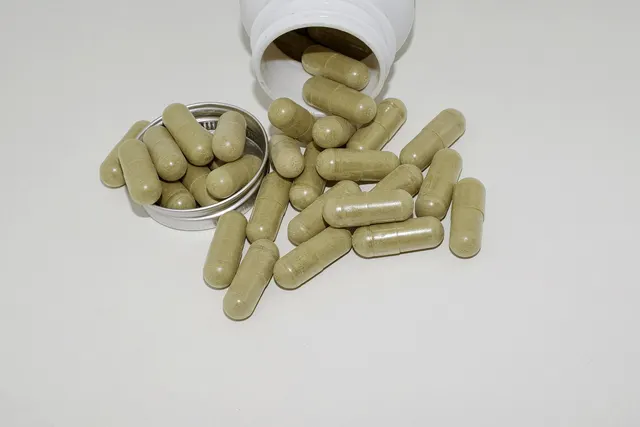
Photo: Pixabay
On this page 8 sections
- 7-OH Credit Card Processing Fees: What You Pay per Transaction
- 7-OH Rolling Reserve Terms: How Much Is Held and for How Long
- Delayed Payouts and What They Do to Your Cash Flow
- Hidden High-Risk Processing Fees in 7-OH Contracts
- In-Store vs. Online 7-OH Sales: Why Rates Differ
- How to Compare 7-OH Merchant Account Cost on Effective Rate
- Negotiating Lower Reserves After Six Months of Clean History
- Next Steps: Getting a Quote You Can Compare
Key takeaways
- The percentage rate is only one part of what a 7-OH merchant account costs. Reserves, funding delays and contract fees often matter more.
- Ask every provider for the reserve percentage, hold period, cap and post-termination hold in writing before you sign.
- Compare quotes on effective rate (total fees ÷ total volume), then separately weigh how much cash each quote ties up.
- Online 7-OH sales usually cost more than counter sales because card-not-present risk, chargebacks and age-verification burdens are higher.
If you sell 7-OH products, getting a merchant account is only the first hurdle. The second is understanding your 7-OH credit card processing fees and what the account will actually cost you. High-risk quotes are hard to compare. One provider leads with a low rate and buries a heavy reserve. Another advertises next-day funding but adds a long list of monthly fees.
This guide covers every cost a 7-OH seller should expect, from processing rates and rolling reserves to payout delays and contract fees. It goes beyond the headline percentage so you can compare offers on what you actually pay.
Before you read: 7-OH's legal status varies by state and is under active federal and state scrutiny. Some jurisdictions restrict or ban these products, and the rules keep changing. All dollar figures and percentages in this article are illustrative examples only. They are not market averages or quotes. Confirm current pricing with any provider, and confirm legal questions with a qualified attorney.
7-OH Credit Card Processing Fees: What You Pay per Transaction
Banks and processors place 7-OH in the high-risk category for a few reasons. The regulatory picture is unsettled, card networks watch products in this space closely, and fewer acquiring banks will underwrite it. As a result, 7-OH processing rates are usually noticeably higher than a standard retailer's, and pricing varies more from one provider to the next. To see how mainstream platforms treat these products, read our guide on whether Square, Stripe or Shopify allow 7-OH.
Most quotes are built from these pieces:
- Discount rate: a percentage of each sale. On interchange-plus pricing, this is a markup on top of card network costs. On tiered or flat pricing, it is an all-in percentage.
- Per-transaction fee: a fixed cents amount on every authorization. This fee matters a lot for 7-OH because tickets are often modest and customers come back often. A small per-item fee adds up quickly across many low-dollar sales.
- High-risk or "risk assessment" fee: sometimes a separate line, sometimes built into the rate.
- Monthly fees: account, statement, gateway and PCI compliance fees.
Your actual pricing depends on your sales channel, processing history, chargeback record, product mix and how complete your application is. To see what underwriters look for, read our guide to getting approved for a 7-OH merchant account. For a page-by-page look at your site, see our 7-OH website compliance audit of the pages and claims processors flag.
7-OH Rolling Reserve Terms: How Much Is Held and for How Long
A reserve is money the bank holds back from your deposits to cover possible chargebacks, refunds or an account shutdown. Some form of reserve is common for 7-OH merchants. Providers structure reserves in a few ways:
| Reserve Type | How It Works | What to Ask |
|---|---|---|
| Rolling reserve | A percentage of each day's deposits is held, then released after a set period | What percentage? How many days until release? |
| Capped reserve | Holding continues until the reserve reaches a fixed dollar amount, then stops | What is the cap? Can it be lowered later? |
| Upfront reserve | A lump sum is held at approval, either deposited by you or taken from early volume | Is it refundable? When? |
An illustrative example: Say a provider holds 10% of deposits for 180 days and you process $50,000 a month. About $5,000 is held each month. No money comes back until month seven, so roughly $30,000 is out of reach before releases begin. That is working capital you cannot use for inventory, payroll or rent.
Get these answers in writing:
- The reserve percentage or dollar cap.
- The hold period for each day's funds.
- Whether the reserve can be reviewed, and when.
- How long funds are held after the account closes. This line is easy to overlook. If your account is terminated, which is a real risk in a category facing regulatory change, a long post-termination hold can freeze a large balance for months.
Delayed Payouts and What They Do to Your Cash Flow
Apart from the reserve, many high-risk accounts settle more slowly than standard accounts. You might wait several business days after a batch closes instead of getting next-day funding.
Every extra day of delay means more of your sales are in transit at any given moment. Illustratively: at $50,000 a month, moving from two-day to five-day funding leaves roughly three extra days of sales, about $5,000, permanently in the pipeline.
For a 7-OH retailer or online seller, that float matters for specific reasons:
- Wholesale terms are often tight. Suppliers in regulated categories frequently ask for prepayment or short terms. Slow card funding can force you to choose between restocking and paying other bills.
- Demand shifts when rules change. When a nearby jurisdiction restricts sales, demand can move quickly. You need cash on hand to react.
- Reserves and delays stack. Together, a reserve and slow funding can tie up a meaningful share of a month's revenue.
Ask each provider for its standard funding schedule, whether weekend and holiday batches settle differently, and whether faster funding becomes available as your history builds.
Hidden High-Risk Processing Fees in 7-OH Contracts
Read the full merchant agreement and fee schedule, not just the proposal. Common lines to look for:
- Chargeback fees: charged on every dispute, whether you win or lose. Some contracts also charge for retrieval requests (requests for a copy of the transaction record).
- Excessive chargeback fees or penalties: extra charges if your dispute ratio crosses a threshold set by the provider or card network.
- Early termination fee (ETF): a flat fee for leaving before the term ends. Watch for liquidated damages clauses, which can calculate the penalty from your projected remaining fees. That amount can be far larger than a flat ETF.
- Auto-renewal: terms that renew automatically unless you cancel in writing during a narrow window.
- Equipment leases: separate, often non-cancelable contracts for terminals. A lease can outlast the processing agreement and cost more over time than buying the hardware.
- Annual, setup, application and batch fees.
- PCI non-compliance fees: monthly charges if you don't complete your security questionnaire.
- Cross-border and currency fees: if you are placed with an offshore acquiring bank, you may pay additional cross-border charges, and funding can be slower.
Avoid Miscoding Offers
Some providers may suggest describing your products as something else or processing under an unrelated business category. Decline. Miscoding or running transactions through another merchant's account breaks card network rules. It can lead to termination, frozen funds and placement on the MATCH list, which can make it very difficult to get any merchant account for years. Accurate classification costs more, but you keep the account. Learn more about the risks of ringing 7-OH as herbal supplements.
In-Store vs. Online 7-OH Sales: Why Rates Differ
Many 7-OH sellers run both a counter, such as a smoke shop, convenience store or kratom bar, and a website. The two channels are priced differently for clear reasons. If you run a gas station, see our guide on whether selling 7-OH tablets at a gas station puts your card account at risk.
In-Store (Card-Present) Sales
Counter sales usually cost less. A chip or tap transaction verifies that the physical card was present, which lowers fraud risk. Your clerk can check ID at the register. Disputes such as "I didn't make this purchase" are harder for a cardholder to sustain.
Online (Card-Not-Present) Sales
Online sales usually cost more and draw closer scrutiny:
- Fraud and chargeback exposure is higher, including "friendly fraud" from customers who don't recognize your billing descriptor.
- You need reliable age verification at checkout, not just a checkbox.
- You need to block shipping to states and localities where 7-OH is restricted, and keep that list current as laws change.
- Underwriters review your site for health or efficacy claims, clear refund and shipping policies, and product labeling.
Tools like 3-D Secure authentication for online card payments can help shift fraud liability for certain transactions and reduce unauthorized-use disputes. Clear descriptors, prompt fulfillment and responsive customer service matter just as much. If you also sell kratom, many of the same steps apply. Learn more about payment processing for kratom sellers. For the differences between the two product lines, see why processors underwrite 7-OH and kratom leaf differently. To compare alternatives such as ACH, eCheck, pay-by-bank and crypto, see our guide to accepting payments for 7-OH online when cards say no.
How to Compare 7-OH Merchant Account Cost on Effective Rate
The effective rate is your total processing fees for a period divided by your total card volume. It is the most reliable way to compare offers that are structured differently.
Here is an illustrative comparison using made-up quotes for a seller processing $50,000 a month across 1,000 transactions with 10 chargebacks:
| Cost Line | Quote A | Quote B |
|---|---|---|
| Discount rate | 4.0% = $2,000 | 3.5% = $1,750 |
| Per-transaction fee | $0.25 × 1,000 = $250 | $0.30 × 1,000 = $300 |
| Monthly account fee | $50 | $99 |
| Gateway fee | $35 | $50 |
| PCI fee | $0 | $25 |
| Chargeback fees | 10 × $35 = $350 | 10 × $50 = $500 |
| Total monthly fees | $2,685 | $2,724 |
| Effective rate | 5.37% | 5.45% |
| Reserve | 5% held 90 days | 10% held 180 days |
| Funding | 2 business days | 5 business days |
Quote B has the lower headline rate, yet it costs more each month and ties up far more cash. To run this comparison on your own business:
- Pull three to six months of statements, or realistic projections if you are new.
- Apply each quote's full fee schedule to the same volume, transaction count and chargeback count.
- Calculate the effective rate for each.
- List each quote's reserve terms, funding speed, contract length and termination costs next to it.
Offsetting Card Costs
You can also lower what you pay by passing some card costs to customers. Options include dual pricing for high-risk retailers, a cash discount program or credit card surcharging where permitted. Each comes with card network rules and state-level restrictions, so confirm the requirements for your location before you launch. If you sell both product lines, our CBD processing fees breakdown covers a similar cost structure.
Negotiating Lower Reserves After Six Months of Clean History
A reserve doesn't have to be permanent. Many providers will review terms once you have a track record, though none are obligated to. Around the six-month mark, prepare a review package:
- Processing statements showing steady volume close to what you projected at approval.
- Chargeback and refund reports showing low, stable ratios.
- Fulfillment records for online orders: tracking, delivery confirmation and response times on customer complaints.
- Compliance updates: current lab testing documentation, age-verification procedures, an updated restricted-state shipping list, and a website free of health claims.
Then ask for specific changes:
- A lower reserve percentage.
- A shorter hold period.
- Conversion from a rolling reserve to a fixed cap.
- Faster funding.
Be realistic. Sudden volume spikes, a jump in average ticket size or a new regulatory development can lead a bank to keep or tighten terms even when your history is clean. Notify your provider before major changes, such as adding a product line or launching a big promotion, so they don't trigger a risk review. If a ban affects your products, see our checklist for handling refunds, open orders and pulled stock when a 7-OH ban hits.
Next Steps: Getting a Quote You Can Compare
MannyPay offers high-risk merchant accounts for in-person and online businesses, including payment processing for 7-OH sellers. We can't promise approval or specific terms, because underwriting decisions depend on your business and the bank. What you can expect is a clear quote you can run through the effective-rate comparison above. Request a free processing quote and ask for the full fee schedule, reserve terms and funding schedule in writing.
This article is general information, not legal, tax or financial advice. Laws governing 7-OH products change frequently. Consult a qualified professional about your specific situation.
This article is for general educational purposes and is not legal, tax or financial advice. Card network rules and state laws change; confirm current requirements for your business.