Can Car Dealerships Charge a Credit Card Fee? Surcharge Rules
Can car dealerships charge credit card fees? Learn how surcharges, debit rules, doc fees and buyer's order disclosures work before you add one.
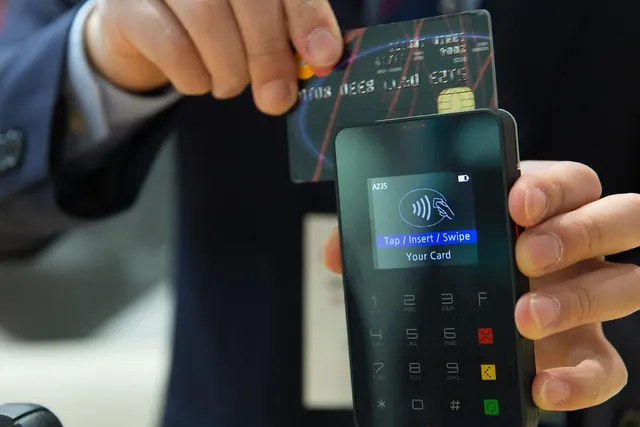
Photo: Pixabay
On this page 8 sections
- Can Car Dealerships Charge Credit Card Fees? The Short Answer
- Car Dealer Credit Card Surcharge Rules: Network Caps and Registration
- States That Ban or Limit Surcharging
- Surcharges on the Buyer's Order and Advertised Price Laws
- Debit Cards and Cash Discount Alternatives
- Applying Fees Differently in Sales vs. Service
- Disclosure Signage and Receipt Requirements
- Next Steps
Key takeaways
- Dealers can often pass card costs to buyers, but card network rules, state law and vehicle advertising laws all apply at the same time.
- A card surcharge should appear as its own line item. Never fold it into the doc fee or a vague "dealer fee."
- Debit and prepaid cards generally cannot be surcharged, so cash discount or dual pricing may suit a mixed card base better.
- Sales and service have different ticket sizes, channels and disclosure points, so map each department separately before you launch.
Can car dealerships charge credit card fees? In many cases, yes. A vehicle deal carries more rules than a typical retail sale, though. Card network surcharge rules, state surcharging laws, advertised-price requirements and doc fee limits can all apply to the same buyer's order.
This guide covers how each layer works and how a card fee should appear on deal paperwork. It also explains why sales and service often need different setups and what disclosures buyers should see at the desk, over the phone and online.
This article is general information, not legal advice. Surcharge rules and state motor vehicle laws change. Confirm current requirements with your processor, your state dealer association and qualified counsel before you add any fee.
Can Car Dealerships Charge Credit Card Fees? The Short Answer
Dealerships generally have three ways to recover card acceptance costs. Each one has its own rules.
| Approach | How It Works | Key Limitation |
|---|---|---|
| Surcharge | Adds a percentage to credit card transactions | Network caps, registration, state law, credit cards only |
| Cash discount / dual pricing | Posted price reflects card cost; cash, check or ACH payers get a lower price | Pricing and advertising must be consistent and clearly disclosed |
| Convenience fee | Flat fee for using an alternative payment channel | Narrow use case; not a general card fee |
The right choice depends on where card payments show up in your store. For many dealers, that means vehicle down payments and deposits, customer-pay repair orders, parts counter sales and online service payments. MannyPay offers surcharging programs where permitted along with cash discount and dual pricing options. Each program has to be configured for how a dealership actually takes money.
Car Dealer Credit Card Surcharge Rules: Network Caps and Registration
Visa, Mastercard, American Express and Discover each publish their own surcharge rules. A compliant car dealer credit card surcharge program generally needs to address the following:
- A maximum surcharge. Networks cap the surcharge percentage. Your surcharge typically can't exceed your actual cost of accepting that card type, even if the cap is higher. Confirm the current caps with your processor.
- Advance notification. Networks generally require merchants to notify their acquirer or the network before surcharging starts. Your processor usually handles or guides this step.
- Brand or product consistency. You usually surcharge all credit cards of a brand or all cards of a product type. You can't pick and choose by customer.
- Credit only. Debit and prepaid cards are generally excluded, even when the buyer selects "credit" at the terminal. More on this below.
American Express and Discover rules are not identical to Visa and Mastercard rules. If you accept all four, your setup needs to satisfy each one.
States That Ban or Limit Surcharging
State law sits on top of network rules. A small number of states prohibit credit card surcharges outright. Others allow them with conditions, such as lower caps, specific disclosure wording or restrictions on how the fee is described. These laws have changed over the years through new legislation and court decisions, so any list you find online may be out of date.
Before you launch, take three steps:
- Ask your processor whether surcharging is currently permitted in each state where you have a rooftop.
- Check with your state dealer association. It may know of motor-vehicle-specific guidance that a generic surcharge guide would miss.
- If you sell across state lines, such as online deposits from out-of-state buyers, ask counsel which state's rules apply to those transactions.
If your state does not allow surcharging, cash discount programs are often the alternative merchants review. They still have to be structured and disclosed properly.
Surcharges on the Buyer's Order and Advertised Price Laws
Generic surcharge guides stop at "post a sign." Vehicle deals require more, because the buyer's order, the retail installment contract and your advertising all describe the price.
Keep the Card Fee Separate From the Doc Fee
Many states cap or regulate dealer documentation fees and require specific disclosure language. A card surcharge is a different charge with a different legal basis. Folding it into the doc fee or a generic "dealer fee" line can create two problems:
- The combined line may exceed your state's doc fee limit.
- It can look like an undisclosed add-on, which invites regulatory and chargeback trouble.
Show the card fee as its own clearly labeled line, tied to the card payment. Our guide to dealer doc fee limits by state covers the doc fee side in more detail.
Surcharge on Vehicle Down Payment: Where It Shows Up
A surcharge on a vehicle down payment applies to the portion paid by credit card. It does not apply to the full vehicle price.
Illustrative example: A buyer puts $4,000 of a down payment on a credit card. With an illustrative 2.5% surcharge, the card fee is $100. It is charged at the time of the card payment, not added to the vehicle's selling price.
Things to work out with your F&I team and counsel:
- Where the fee appears. Decide whether it goes on the buyer's order or only on the card receipt, and whether it affects the cash price or amount financed on the installment contract. How you treat it can affect the credit disclosures on the contract under federal and state lending rules.
- Lender treatment. Some lenders have their own views on fees connected to the down payment.
- Card down payment limits. Many dealers cap how much of a down payment can go on a card. See our guide on how much of a down payment to allow on a credit card.
Advertised Price Laws
Many states require the advertised vehicle price to include all charges a buyer must pay, other than items the law specifically excludes, such as taxes and government fees. Federal enforcement against hidden add-on fees has also been active, though specific federal rules have been in flux.
A card surcharge is usually optional because the buyer can avoid it by paying another way. That may help it fit within advertised-price rules. Cash discount and dual pricing raise a different question: which price is "the" advertised price? If your online listing shows the lower cash price, a buyer paying by card may see a higher number at the desk. Have counsel confirm that your advertising and posted pricing line up before launch.
Debit Cards and Cash Discount Alternatives
Many buyers put down payments on debit cards because the money comes straight from checking. Network rules generally don't allow surcharging debit or prepaid cards, even when they're run as credit. Your terminal or gateway needs to identify the card type and apply the fee only where permitted.
If a large share of your card volume is debit, surcharging may recover less than you expect. Compare these alternatives:
- Cash discount. The posted price reflects card acceptance cost. Buyers paying with cash, check or ACH receive a discount.
- Dual pricing for in-person sales. Both prices are shown, so the buyer sees the cash and card amounts before paying. This often works well on the service drive.
- Zero cost processing programs. These compliant programs help eligible merchants offset most or all card-processing fees through surcharging, cash discount or dual pricing structures. Results depend on your card mix and eligibility.
Steering buyers toward cash has its own trade-offs. Large cash down payments can trigger federal cash-reporting obligations, so review them with your accountant before you promote cash pricing heavily. Our guide to cash reporting rules for car dealers covers this topic in more depth. For non-card payments, see our guide to spotting fake cashier's checks and wire scams targeting car dealers. For remote deals, see our guide to taking payments from out-of-state car buyers remotely.
Dealer Convenience Fee: A Narrow Tool
A dealer convenience fee is not a general card fee. Under network rules, convenience fees generally apply when a customer uses an alternative channel, such as paying online when you normally take payment in person. They are typically flat amounts and can't be combined with a surcharge on the same transaction. Most dealerships are better served by a surcharge or cash discount program. Confirm details with your processor before charging any convenience fee.
Applying Fees Differently in Sales vs. Service
The sales floor and the service drive are different payment environments, and one setup rarely fits both. For planning by department, see our guide to separate merchant accounts for sales, service and parts departments.
| Factor | Vehicle Sales | Service and Parts |
|---|---|---|
| Ticket size | Large, infrequent down payments and deposits | Smaller, frequent customer-pay repair orders |
| Channels | In-person at the F&I desk, keyed phone deposits, online reservation deposits | In-person at the service counter, text or online payment links, parts counter |
| Who pays | Retail buyer, sometimes a business buyer on a corporate card | Retail customers, fleet accounts, warranty (paid by the manufacturer, not the customer) |
| Customer sensitivity | Fee is small relative to the deal | Fee is visible on routine repairs and affects repeat visits |
| Paperwork | Buyer's order, installment contract | Repair order, invoice |
Some practical points:
- Run each department as its own payment setup when it makes sense. Separate merchant IDs make it easier to apply the correct program, disclosures and reporting in each department. Ask your processor whether this fits your setup.
- Apply fees consistently within a department. If service surcharges credit cards, every service cashier must apply it the same way.
- Check your DMS. The card fee needs to post correctly to the deal or repair order. See integrating card payments with CDK, Reynolds and Dealertrack DMS.
MannyPay's payment solutions for car dealerships cover in-person terminals, virtual terminals for keyed deposits and online gateways.
Disclosure Signage and Receipt Requirements
Clear disclosure is what separates a compliant fee from one that triggers complaints and chargebacks. Network rules and some state laws specify what buyers must see and when.
In-person (showroom and service counter):
- Signage at the store entrance or where customers enter the sales and service areas
- Notice at each point of sale: the F&I office, the cashier window and the parts counter
- The surcharge shown as a separate line on the receipt
Keyed (phone deposits and payments):
- Tell the buyer about the fee before taking the card number
- Note the disclosure in the deal file or repair order
- Send written confirmation showing the fee as a separate line
Online (reservation deposits and service payments):
- Display the fee before the customer submits payment, not after
- Show the itemized fee on the payment confirmation and emailed receipt
Disputes over unexpected fees and deposits are a common source of chargebacks for dealers. Our guide to car dealership down payment and deposit disputes covers how to document a deal so you can respond.
Next Steps
Before adding any card fee, work through this short checklist:
- Confirm that surcharging is permitted in your state and review current network caps with your processor.
- Decide between a surcharge, cash discount or dual pricing for each department.
- Have counsel review how the fee appears on the buyer's order, installment contract and advertising.
- Configure terminals and gateways to detect debit cards and itemize fees.
- Train F&I, cashier and service advisor staff on consistent disclosure.
If you want help evaluating which program fits your card mix, you can request a free processing quote. A MannyPay specialist responds within one business day.
This article is for general educational purposes and is not legal, tax or financial advice. Card network rules and state laws change; confirm current requirements for your business.