Car Dealership Chargebacks: Down Payment and Deposit Disputes
Learn why a car dealership chargeback happens on deposits and down payments, which deal-jacket documents win disputes, and how to prevent them.
Photo: Pixabay
On this page 7 sections
- Why Dealers Lose Big When a Chargeback Hits a Car Down Payment
- Common Car Dealership Chargeback Reasons on Vehicle Deals
- Unwound Deals and Spot Delivery Gone Wrong
- Deal Jacket Documents That Win Disputes
- Building a Dealer Dispute Response Within Network Deadlines
- Front-End Practices That Prevent Disputes
- Next Steps for Your Dealership
Key takeaways
- Dealership disputes cluster around unauthorized keyed deposits, unwound deals, refunds that weren't processed, and buyer's remorse framed as a defect claim.
- A complete deal jacket is your strongest defense. That means signed deal documents, deposit terms, chip-read receipts and a communication log.
- Your processor's response deadline is often shorter than the card network's, so assign one person to watch the dispute portal every day.
- Most dealership disputes are preventable with chip-read payments, written deposit policies and fast refunds to the original card.
A car dealership chargeback is rarely a small problem. When a buyer disputes a deposit or down payment, the amount is usually large, the vehicle may already be off the lot, and the response window is short. This guide covers the dispute reasons dealers see most often: "unauthorized" deposits, unwound deals and buyer's remorse. It also lists the deal-jacket evidence that tends to win and the habits that keep disputes from starting.
Why Dealers Lose Big When a Chargeback Hits a Car Down Payment
A chargeback on a car down payment differs from a disputed $40 retail sale in a few ways:
- The money leaves first. When a dispute is filed, the funds are typically pulled from your account right away. If you win, you get them back later.
- The vehicle may be gone. If the buyer kept the car and disputed the down payment, you're out the cash and the collateral position you were counting on.
- Fees and ratios add up. Most processors charge a fee per dispute. Card networks also monitor your dispute ratio, so a cluster of disputes can trigger reviews, reserves or account restrictions.
- The paperwork is spread out. Evidence often sits across the sales desk, F&I, the business office and texts on a salesperson's phone.
Illustrative example: A buyer puts a $5,000 down payment on a card, takes the car on a spot delivery, and the financing falls through. The car comes back, but nobody issues the refund for a week. The buyer files a dispute. Now the dealership is out the $5,000 while the dispute runs, and it may also end up refunding it twice if staff process a refund without checking the dispute status.
Staying approved matters as much as winning any single case. Our guide to keeping a used car dealer merchant account approved and live explains how underwriters view dispute history in this industry.
Common Car Dealership Chargeback Reasons on Vehicle Deals
Each card network uses its own reason-code names and numbers, and they change over time. Ask your processor for the current code list. Most vehicle purchase credit card disputes still fall into a handful of categories:
| Dispute Category | What the Cardholder Claims | Typical Dealership Scenario |
|---|---|---|
| Fraud / unauthorized | "I didn't make this charge." | Deposit keyed in over the phone; a spouse or parent's card was used; a card was stolen |
| Credit not processed | "I was promised a refund and didn't get it." | Deal unwound, refundable deposit not returned, or refund delayed |
| Cancelled or not received | "I cancelled" or "I never got the vehicle." | Customer backed out before delivery; the car was sold to someone else; delivery delayed |
| Not as described / defective | "The car isn't what was represented." | Mechanical problem after delivery, undisclosed damage, wrong trim or options |
| Processing error | "I was charged twice" or "for the wrong amount." | Duplicate swipe, amount typo on a keyed sale, down payment split incorrectly |
Buyer's Remorse in Disguise
Buyer's remorse is not a valid dispute reason on its own, so it rarely shows up as one. Instead, it arrives as a "not as described" or "cancelled" claim, or as a fraud claim when someone else's card paid the deposit. Your response should show what the buyer agreed to, when and in writing.
Why Keyed Deposits Are so Vulnerable
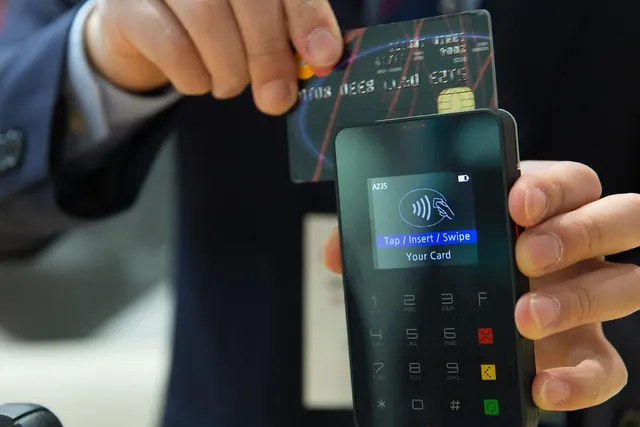
A card that's dipped or tapped on a terminal creates strong evidence that the card was present. A card number keyed in from a phone call creates almost none. If a fraud claim comes in on a keyed deposit, you are depending on your paperwork alone.
Unwound Deals and Spot Delivery Gone Wrong
Unwound deals produce some of the most expensive disputes in the business. That's because the money, the car and the financing can each end up in a different state. Spot delivery and conditional sale rules vary by state, so confirm your process with a qualified attorney.
When Financing Falls Through
If the lender doesn't approve the contract and the deal unwinds, the down payment question needs a fast, documented answer:
- Confirm in writing that the deal has unwound and the vehicle has been returned.
- Settle the trade-in, if there was one, according to your agreement and state law.
- Refund the card down payment promptly, to the original card.
- Send the buyer the refund confirmation and keep a copy in the deal jacket.
When the Customer Keeps the Car but Disputes the Down Payment
Sometimes the buyer keeps the vehicle and disputes the card payment anyway. Your strongest evidence here is the signed purchase documents, proof of delivery and anything showing the buyer still has the vehicle, such as title or registration paperwork, service visits or communications after the sale.
Refund to the Original Card, Never in Cash
Refunding a card payment in cash or by check creates a double-recovery risk. The buyer can still dispute the original charge. Refund through the terminal or gateway, back to the card that paid. Before you issue any refund, check whether a dispute is already open.
Deal Jacket Documents That Win Disputes
Issuers make decisions based on documents, not on the story your sales manager tells. A complete deal jacket is your best dealer dispute response tool.
Core Evidence Checklist
- Signed buyer's order or bill of sale, plus the retail installment contract if financed
- Signed deposit agreement stating the amount, what it holds and the refund terms
- Card terminal receipt showing chip or contactless entry, with the authorization code
- Signed card authorization form for any keyed or phone payment, including cardholder name, card type, last four digits, amount and purpose
- Copy of the buyer's driver's license (and the cardholder's, if different)
- Delivery or acceptance form signed at handoff, with date, time, odometer reading and VIN
- Required used-vehicle window disclosures and any signed as-is or warranty documents
- "We owe" or due-bill forms listing promised repairs or items
- Pre-delivery inspection records and photos of the vehicle at delivery
- Texts, emails and call notes with the buyer, with dates
- Refund records, if any refund was issued
Keep sensitive data out of the folder. Never write down a full card number or the security code, and store authorization forms securely. Our article on the FTC Safeguards Rule for car dealers covers how to protect payment and deal data.
Match Evidence to the Dispute Reason
| If the Dispute Says… | Lead With… |
|---|---|
| Unauthorized / fraud | Chip-read receipt, ID copy, signed card authorization, delivery form signed by the buyer |
| Credit not processed | Deposit terms showing non-refundability (if lawful), or proof the refund was issued |
| Cancelled / not received | Signed delivery form, photos at handoff, cancellation terms the buyer signed |
| Not as described | Signed disclosures, as-is or warranty documents, inspection records, service offers you made |
| Duplicate / wrong amount | Transaction log showing one charge, or proof the extra charge was refunded |
Write a Clear Rebuttal Letter
Keep the cover letter to one page:
- One sentence summarizing the transaction (date, amount, vehicle, buyer)
- The specific reason the dispute is invalid
- A numbered list of attached documents, each tied to a point
- Any refund already issued, with date and amount
Leave out complaints about the customer. Stick to facts the documents prove.
Building a Dealer Dispute Response Within Network Deadlines
Card networks set response windows, and your processor usually sets an internal deadline that comes earlier so it has time to forward your file. Miss it and you lose automatically, however strong your evidence is. Confirm the exact timelines with your processor, because they vary by network and dispute type.
- Assign an owner. One person, usually in the business office, checks the dispute portal and email daily.
- Log the notice. Record the dispute date, amount, reason and response deadline.
- Pull the deal jacket the same day. Gather documents from sales, F&I and service before details fade.
- Decide whether to fight or accept. If the refund really was owed and never issued, accepting may cost less than a losing fight.
- Check for duplicate refunds. Never refund a transaction that's already under dispute without confirming with your processor.
- Assemble and submit. Upload legible scans, label each file, and submit before the processor's deadline.
- Track the outcome. Note wins and losses by reason and salesperson so you can spot patterns.
Some disputes go to further rounds after the first decision. Ask your processor how that works and what it costs before you escalate.
Front-End Practices That Prevent Disputes
Prevention costs less than any dispute response. These habits address the scenarios above:
- Dip or tap whenever possible. Ask remote buyers to pay the deposit in person, or at least have the card present at delivery. Modern smart terminals record the entry method, which strengthens your evidence if a fraud claim comes in.
- Add authentication for remote deposits. If you take deposits online, a checkout that supports 3-D Secure authentication adds a cardholder verification step. Ask your provider how fraud liability applies to authenticated transactions.
- Use a signed authorization for keyed payments. When keying is unavoidable through a virtual terminal, get a signed authorization form and an ID copy first.
- Verify the cardholder. If the card belongs to someone other than the buyer or co-buyer, get that cardholder's written authorization and ID.
- Put deposit terms in writing. State whether the deposit is refundable, under what conditions and how quickly refunds are issued. State laws differ, so read our guide to refundable deposits to hold a car and confirm your policy with counsel.
- Set a card down payment policy. Large card payments raise your exposure. Our guide on how much of a down payment your dealership should allow on a credit card walks through the tradeoffs.
- Don't split one card payment to get around a limit or decline. Breaking a single charge into smaller ones on the same card can violate card network rules and puts your account at risk.
- Check your billing descriptor. Make sure the name on the buyer's statement matches the dealership name they know. Unfamiliar descriptors invite "I don't recognize this" disputes.
- Refund quickly when a deal unwinds. A fast refund to the original card heads off the most avoidable dispute category there is.
- Train the whole team. Salespeople, F&I and the business office should all know which documents must be signed before keys change hands.
Next Steps for Your Dealership
Start with a quick audit. Pull the last few deals that involved a card deposit or down payment and check whether each jacket would hold up against the dispute categories above. Fill the gaps in your forms, name a dispute owner, and set a refund rule for unwound deals.
If you're reviewing your payment setup at the same time, MannyPay offers payment processing and terminals for car dealerships, including in-person and keyed acceptance options. Request a free quote, and a MannyPay specialist will respond within one business day to talk through your deal flow. If you run an in-house financing lot, see our guide to buy here pay here payments with autopay, text-to-pay and late fees. If you're considering passing card costs to buyers, read our guide to credit card surcharge rules for car dealerships.
This article is general information, not legal advice. Dispute rules, deposit laws and spot delivery requirements vary by card network and state, so confirm specifics with your processor and a qualified professional.
This article is for general educational purposes and is not legal, tax or financial advice. Card network rules and state laws change; confirm current requirements for your business.