Car Dealership Credit Card Down Payment Limit: How Much Should You Allow?
Set a car dealership credit card down payment limit you can defend: weigh processing costs, lender rules on borrowed down payments and chargeback risk.

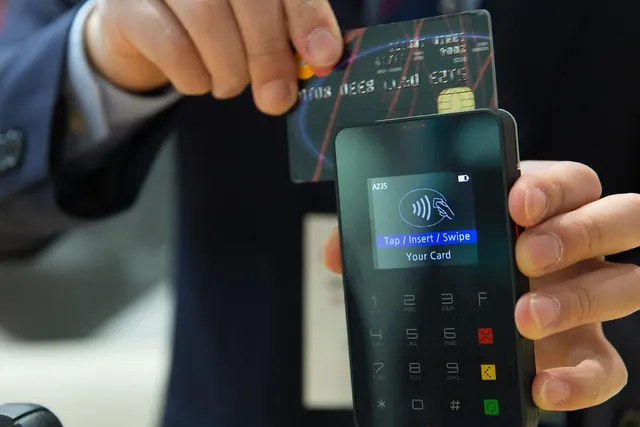
Photo: Pixabay
On this page 7 sections
- Why Buyers Want to Put a Down Payment on a Card
- What a $5,000 vs. $20,000 Card Down Payment Costs the Store
- Lender Rules on Down Payments Funded by Credit
- Chargeback Risk on Large Card Down Payments
- Setting a Car Dealership Credit Card Down Payment Limit by Department
- Explaining the Limit to Customers Without Losing the Deal
- Next Steps
Key takeaways
- A card down payment costs the store a percentage of the whole charge, so a large down payment can absorb a meaningful share of front-end gross.
- Lenders may treat a down payment charged to a credit card as borrowed money. The deal jacket must reflect the real source of funds.
- Large card down payments carry dispute risk, especially when they are keyed in or when a spot-delivered deal unwinds.
- A written cap that sets limits by department and applies the same way to every customer is easier to defend than salesperson-by-salesperson decisions.
Can you put a down payment on a car with a credit card? At many stores, the answer is either "sure, any amount" or a number the desk manager makes up on the spot. Neither holds up well. This guide shows how to set a car dealership credit card down payment limit that you can defend to customers, lenders and your accounting office. It covers processing costs, lender rules and chargeback risk.
With no limit, the store eats processing fees on five-figure charges. A limit invented at the desk gets applied unevenly, which leads to disputes and possible compliance problems.
Why Buyers Want to Put a Down Payment on a Card
Customers have real reasons for asking. Knowing those reasons helps you respond without killing the deal.
- Rewards and sign-up bonuses. Some buyers time a car purchase to meet a new card's minimum-spend requirement or to earn points on a large charge.
- Float. Charging the down payment gives the buyer until the statement due date to pay. That helps when funds are moving between accounts.
- Short on cash. Some buyers lack the cash and use the card to reach the down payment the lender wants. This case needs the closest attention because of the lender rules covered below.
- Perceived protection. Buyers know card purchases come with dispute rights. That is a fair concern for them and a risk for you.
- Convenience. For out-of-town and remote buyers, reading a card number over the phone is easier than arranging a wire.
The first two reasons mostly affect your costs. The third affects compliance with your lenders, and the fourth creates dispute risk. Your policy should address all three issues.
What a $5,000 vs. $20,000 Card Down Payment Costs the Store
Card fees are charged as a percentage of the transaction, plus a small per-item fee on some pricing plans. The fee grows with the size of the charge, but the work of closing the deal stays the same.
The numbers below are illustrative only. Your actual cost depends on your pricing plan, the card type and how the card is accepted.
| Card down payment | At an illustrative 2.5% effective rate | At an illustrative 3.5% effective rate |
|---|---|---|
| $5,000 | $125 | $175 |
| $10,000 | $250 | $350 |
| $20,000 | $500 | $700 |
Three factors push the cost toward the high end:
- Rewards, premium and business cards usually carry higher interchange than basic consumer cards. Buyers chasing points tend to carry exactly these cards.
- Keyed transactions, such as a phone deal or a card typed into the terminal, usually cost more than chip or tap payments made in person.
- Large-ticket reviews. Your merchant account was underwritten with an expected average and maximum ticket size. A charge far above those figures can trigger a review or a hold on funds. Give your processor realistic numbers at setup, and tell them before your volume changes.
Weigh those costs against your front-end gross on a typical used unit. A large card down payment on a thin deal can take a noticeable share of the profit.
Recovering Some of the Cost
Some dealers pass part of the cost to customers through surcharging programs for card payments, dual pricing that shows cash and card prices or a cash discount program. Each comes with conditions:
- Surcharging is governed by card network rules and state law. Some states restrict or prohibit it, and debit cards are treated differently from credit cards.
- Disclosure, signage and receipt requirements apply to all three programs.
- Vehicle pricing and advertising are also regulated. Make sure any card-price difference doesn't conflict with how you advertise vehicle prices in your state.
Before adding any fee or price difference, confirm current network rules and your state's requirements with your processor and a qualified attorney. MannyPay offers surcharging where permitted, dual pricing and cash discount programs, along with payment processing for car dealerships.
Lender Rules on Down Payments Funded by Credit
The cost question is about money. The lender question can put the deal itself at risk.
Lenders ask for a down payment partly because it shows the buyer has money committed to the vehicle. If the down payment goes on a credit card, that money is borrowed and the buyer now owes more. Some lenders' program guidelines and dealer agreements address this directly.
Check these points with every lender you send paper to:
- Whether the lender asks about the source of the down payment, and how it treats a down payment funded by a credit card or cash advance.
- Whether a borrowed down payment changes the approval. A new card balance can shift the buyer's debt picture, particularly on subprime and near-prime deals.
- What the deal jacket must show. The buyer's order, the credit application and the funding package should all match what actually happened.
Do not describe a card-funded down payment as cash on a credit application or in funding documents. Misstating the source or amount of a down payment can breach your dealer agreement, lead to buyback demands and expose the store to fraud liability. When a lender asks, give an accurate answer.
Lender guidelines vary and change. Read your dealer agreements and ask each lender's dealer rep for its current position. Don't rely on what F&I has always done. For questions about legal exposure, talk to your dealer counsel.
Chargeback Risk on Large Card Down Payments
A card payment can be disputed after the vehicle has left your lot. On a large down payment, one lost dispute can cost more than the deal earned. For the documents that help win these cases, see our guide to car dealership chargebacks on down payments and deposits.
Common dispute scenarios at dealerships:
- Unwound spot deliveries. The buyer drives home, the financing falls through and the deal unwinds. If the refund is slow or unclear, the buyer may dispute the charge. You can then end up returning the money twice: once as a refund and once through the chargeback.
- Buyer's remorse. The customer regrets the purchase and disputes the charge, sometimes claiming the vehicle wasn't as described.
- Stolen or borrowed cards. Someone pays with a card that isn't theirs, sometimes a relative's or employer's card used without permission.
- Keyed remote deals. A buyer in another state reads a card number over the phone. Keyed transactions lack the chip or tap data that helps in fraud disputes.
How to reduce your exposure:
- Take card down payments in person on chip or tap whenever you can. A smart terminal at the sales desk makes this easy without walking the customer to the cashier.
- Match the cardholder to the buyer. Check ID, and record any approved exception, such as a co-buyer's card, on the deal.
- Show the card payment on the buyer's order, including the amount, the last four digits of the card and the date. Have the buyer sign it.
- Write a clear unwind and refund policy that explains how refunds are issued if financing fails. Refund promptly to the original card.
- For remote deals, take keyed payments through a virtual terminal with address and security-code checks, and keep signed documents and correspondence in the deal file.
Other industries face the same questions about how long to hold money and how to document it. These Beyond the Swipe articles cover two examples: setting and releasing incidental holds at hotels and collecting milestone payments on construction draw schedules.
Setting a Car Dealership Credit Card Down Payment Limit by Department
A dealership has several departments, and card payments look different in each one. Set limits department by department.
| Department | Typical card use | What drives the limit |
|---|---|---|
| Vehicle sales (down payment) | Larger charges, often rewards cards | Margin on the deal, lender rules, unwind risk |
| Vehicle deposits / holds | Small to moderate, often by phone | Refund terms, keyed-transaction risk |
| F&I products | Varies; many are financed into the deal | Cancellation and refund rules for the product |
| Service department | Repair orders from small to substantial | Repair margin, comebacks and disputes |
| Parts counter | Mostly smaller retail and wholesale tickets | Wholesale accounts may have their own terms |
On the service side, card acceptance often looks more like a standalone repair shop than a car sale. The Beyond the Swipe guide to auto repair credit card fees and what shops should pay applies to your service drive.
What Your Dealer Card Limit Policy Should Include
- A dollar cap per vehicle deal. This is the maximum credit card amount your store accepts toward a car purchase down payment. The dealer principal and controller should set it after reviewing processing costs and typical gross.
- Separate treatment for keyed transactions, such as a lower cap or manager approval for any card that isn't present.
- Who can approve exceptions, and how each exception is documented in the deal file.
- A rule that applies to everyone. Apply the cap the same way to every customer. Uneven exceptions are hard to explain and can raise fair-lending concerns. Have counsel review the policy.
- Split-tender rules. Paying part by card and part by check, ACH or debit is normal. Running one card several times to get around your own cap or your processor's ticket limits is not. Card network rules restrict breaking a single sale into multiple charges, and processors watch for it.
Here is an illustrative example policy: "Credit card down payments are accepted up to a set dollar amount per vehicle, in person on chip or tap. Keyed card payments require sales manager approval and a signed authorization. Any amount above the cap is paid by debit, cashier's check, ACH or wire." Choose your own figures based on your costs and your lenders' guidance.
Explaining the Limit to Customers Without Losing the Deal
Most pushback happens when the customer learns about the cap late. Raise it early, before the deal is desked, so the buyer can plan around it.
- Post the policy at the sales desk and the cashier, and add it to your deposit and buyer's-order paperwork.
- Keep the explanation short and factual. For example: "We accept cards for down payments up to our posted limit. The rest can go on debit, a cashier's check or a bank transfer."
- Offer real alternatives. Debit, ACH, wire and cashier's checks usually cost the store less, and most buyers can arrange one of them.
- Leave the rewards math to the customer. The terms of their card are between them and their bank.
- Be accurate about the lender. If a lender asks about the source of the down payment, tell the buyer you have to answer truthfully.
A clear cap applied consistently rarely ends a deal. Exceptions invented at the desk cause more problems than the cap itself.
Next Steps
Pull a few months of card down payment activity, estimate what it actually cost and compare that with the margin on those deals. Then write the policy, train sales and F&I on it, and confirm your pricing program and approved ticket sizes with your processor. To review hardware, pricing programs or underwriting limits for your store, request a free payment processing quote from MannyPay.
This article is general information, not legal, tax or lending advice. Confirm card network rules, state requirements and lender guidelines with your processor, your lenders and qualified professionals.
This article is for general educational purposes and is not legal, tax or financial advice. Card network rules and state laws change; confirm current requirements for your business.