Buy Here Pay Here Payments: Autopay, Text-to-Pay, and Late Fees
Buy here pay here payment processing guide: move weekly cash payers to ACH and debit autopay, add text-to-pay, and handle late fees within the rules.

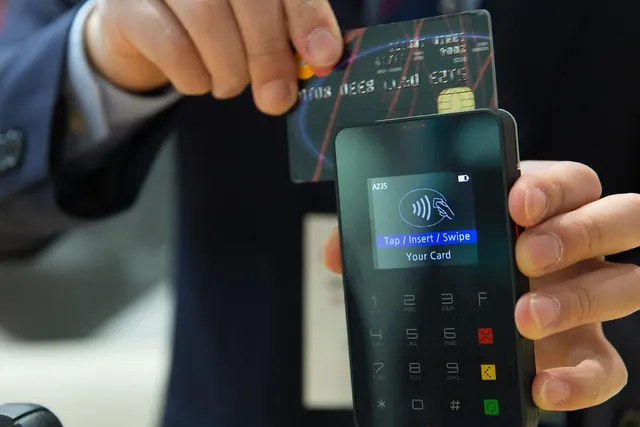
Photo: Pixabay
On this page 7 sections
- Why Buy Here Pay Here Payment Processing Is Different
- Matching BHPH Recurring Payments to Weekly and Biweekly Paydays
- BHPH ACH Autopay vs. Debit Card Autopay: Costs and Returns
- Text-to-Pay and a Buy Here Pay Here Payment Portal for Late Payers
- Convenience Fees and BHPH Late Fee Rules: What Regulators Allow
- Integrating Payments With Your BHPH Loan Software
- Next Steps for Your Dealership
Key takeaways
- Schedule autopay on or shortly after the day each customer's pay actually lands. Debits that run before funds arrive often fail.
- ACH and debit card autopay each need a clear, documented authorization. Offer autopay as an option, not a requirement.
- Text-to-pay links and a payment portal help late payers pay quickly, but texting consent and convenience fee rules apply.
- Late fees, returned-payment fees and convenience fees are governed by your contract, state and federal law, and card network rules, so confirm them with counsel.
Many buy here pay here lots still collect installments the old way. Customers bring cash to the window on Friday afternoon, or a collector calls on Monday after a missed payment. Good buy here pay here payment processing can move many of those customers to automatic and digital payments. You still have to follow the authorization rules that govern ACH debits and stored debit cards. This guide covers five practical steps:
- Matching autopay to weekly and biweekly paydays
- Choosing between ACH and debit card autopay
- Using text-to-pay and an online portal for late payers
- Handling convenience fees and late fees carefully
- Connecting payments to your loan software
This is general information, not legal advice. Consumer lending, collections and fee rules vary by state, and federal rules also apply. Review your contracts and payment practices with a qualified attorney.
Why Buy Here Pay Here Payment Processing Is Different
A traditional dealership takes one large payment, often from a lender, and moves on. A BHPH lot runs a small loan servicing operation, and that changes what you need from a payment setup.
- High frequency, small tickets. You collect a modest installment every week or two for the life of the contract. A retail card swipe is usually a one-time event. Your setup has to handle a steady stream of small, repeating transactions.
- Customers paid on different cycles. Many BHPH customers are hourly workers paid weekly or biweekly. Some are paid on payroll cards or prepaid debit cards. Some have thin bank balances between paychecks.
- Cash-heavy history. The payment window is still the default for many customers. Large cash payments also bring federal reporting duties, which our guide to IRS Form 8300 rules for car dealers covers.
- Collections are part of the workflow. A missed payment can lead to collector calls and, in some cases, repossession. Payments must post quickly and accurately so you don't chase someone who already paid.
- Down payments and pick-up payments. Deferred down payments split across the first few paydays add another layer. Card policy matters here too. See our guide on how much to allow on credit card down payments.
Processors may also underwrite BHPH dealers differently from a typical retail store, because recurring consumer debits and returns carry their own risk profile. Expect questions about your contract terms, return history and collection practices.
Matching BHPH Recurring Payments to Weekly and Biweekly Paydays
Many failed BHPH recurring payments come down to timing rather than refusal. A debit that hits the day before payday is likely to be returned. The same debit on or just after payday has a much better chance of clearing.
Build the Schedule Around the Customer's Payday
At the deal desk, ask for three things:
- Pay frequency (weekly, biweekly, semimonthly or monthly)
- The day funds actually land in the account, which may differ from the payday printed on the stub
- How the customer is paid: direct deposit to a bank account, payroll card or paper check
Schedule the autopay debit on or shortly after the day funds typically land. For direct deposit customers, that usually means payday itself or the next business day. For paper-check customers, allow extra time for the deposited check to clear before the debit runs.
Illustrative example: A customer paid every other Friday by direct deposit has funds available Friday morning. A debit scheduled for that Friday, or the next business day, is more likely to succeed than a Thursday debit that matches the contract's original due date.
If your contract due dates don't line up with paydays, talk to counsel about aligning them at origination. Don't quietly move debit dates after the fact.
When a Customer's Payday Changes
Hourly workers change jobs often, so train staff to ask about employment changes at every contact. Changing the debit date or frequency should require a fresh, documented authorization.
BHPH ACH Autopay vs. Debit Card Autopay: Costs and Returns
Both methods can work. They differ in cost, in how failures show up and in how disputes play out.
| Factor | BHPH ACH Autopay | Debit Card Autopay |
|---|---|---|
| Typical pricing structure | Usually a flat per-item fee | Usually a percentage plus a per-transaction fee |
| When you learn it failed | Days later, through a returned entry | Immediately, at authorization |
| Works with payroll/prepaid cards | Sometimes, if the card has routing and account numbers | Often, if the card is enabled for recurring payments |
| Account changes | Closed accounts lead to returns | A card account updater may refresh some card numbers |
| Dispute path | Unauthorized debit returns | Card chargebacks |
ACH tends to cost less per payment on small recurring amounts. A debit card tells you right away whether the payment went through. Confirm current pricing, return fees and chargeback fees with your provider before you choose.
Return rates depend heavily on your customer base and how disciplined your scheduling is. No universal benchmark fits every lot, so track your own. The ACH network monitors merchants whose returns run high, especially unauthorized returns. Returns that stay high over time can put your ACH processing at risk.
Getting the ACH Authorization Right
Federal electronic fund transfer rules and the ACH network's operating rules both apply to recurring consumer debits. A solid ACH authorization generally includes:
- The customer's name and bank routing and account numbers
- The amount, or how a variable amount is determined
- The frequency and start date
- Clear authorization language, signed in writing or captured electronically with a reliable signature method
- How and when the customer can revoke the authorization
- A copy provided to the customer
Two points matter especially for lenders:
- Offer autopay as an option, not a requirement. Federal consumer protection rules limit making automatic electronic payments a condition of credit. The safest practice is to present autopay as a convenience and keep cash, card and other payment options available. Ask your attorney how these rules apply to your contracts.
- Be careful with variable amounts. Changing a debit amount from what the customer authorized, such as adding a late fee, may trigger advance-notice requirements. The simplest approach is to keep autopay at the fixed installment and collect any fees separately. Confirm the details with counsel.
Card-on-File Authorization for Debit Autopay
Card network rules require the customer's consent before you store a card for recurring charges. That consent should disclose the amount, the timing, how the customer will be told about changes and how to cancel. Keep a record of the agreement and the first transaction.
Customers' cards expire and get reissued. A card account updater for recurring billing can reduce failed payments where issuers participate. When a customer cancels autopay, stop the charges right away. Charging after cancellation invites disputes, as our guide to winning 'cancelled recurring' chargebacks explains. For disputes tied to deposits and down payments, see our guide to car dealership chargebacks on down payments and deposits. If you take deposits to hold vehicles, our guide to refundable deposits to hold a car covers policies and disputes.
Handling Returns and Declines Without Breaking Rules
- Network rules limit how many times you can re-present an ACH debit returned for insufficient funds. Ask your provider for the current limit and build it into your software.
- Never re-debit after an "unauthorized" or "authorization revoked" return unless you have a new authorization.
- Never split one installment into several smaller charges to get around a decline or a limit.
- Contact the customer after a failure instead of retrying blindly. A text with a payment link often resolves the problem faster.
Text-to-Pay and a Buy Here Pay Here Payment Portal for Late Payers
Autopay won't fit every customer. A digital channel helps you reach the customer who is a few days late and won't come to the window or answer a collector's call.
Text-to-Pay Links
A text-to-pay message sends a secure link to a hosted payment page, where the customer pays by card or bank account. Good practice:
- Get documented texting consent at the deal desk. Federal and state rules on consumer texting and debt collection communications can apply. Confirm what your consent language must say.
- Never put full account or card numbers in a text. Identify your dealership by name and refer to the account only by a partial reference.
- Respect timing. Debt collection rules can restrict when you contact consumers, so avoid early-morning and late-night messages.
- Link to a hosted page so card data doesn't touch your systems. This helps reduce your PCI DSS scope.
MannyPay's expanding merchant platform is designed to include text-to-pay and payment links. Ask a specialist what is currently available for your setup.
A Buy Here Pay Here Payment Portal
A customer-facing portal lets borrowers check their balance and next due date, make a one-time payment, enroll in or change autopay, and update a card. Look for:
- Mobile-friendly pages, since many customers will pay from a phone
- Real-time posting to your loan software
- Electronic capture of autopay authorizations, with a copy emailed to the customer
- Receipts that show how each payment was applied
For customers who call in, a virtual terminal for phone payments lets staff key in a one-time payment. Use a script that confirms the amount and records the customer's verbal consent. For buyers who aren't local, see our guide to taking payments from out-of-state car buyers remotely.
Convenience Fees and BHPH Late Fee Rules: What Regulators Allow
Fee practices in consumer lending can draw regulatory scrutiny, so proceed carefully. For fees charged on the vehicle sale itself, see our guide to dealer doc fee limits by state.
Convenience Fees
"Pay-to-pay" fees are charges for making a loan payment online or by phone. Federal and state regulators have shown interest in them. Whether you can charge one may depend on:
- Whether your contract expressly authorizes the fee
- Whether state law permits it on consumer credit or debt payments
- Card network rules, which generally limit convenience fees to genuinely alternative payment channels and govern how the fees are structured
Card network rules also generally restrict surcharging on debit cards, even when the transaction runs as credit. MannyPay offers surcharging where permitted, cash discount programs and dual pricing. Applying any of these to loan installments requires legal review first. They may fit more easily for service department or parts sales. For more on how these rules apply to dealerships, see our guide to credit card surcharge rules for car dealerships. To plan processing by department, see our guide to separate merchant accounts for sales, service and parts departments.
Late Fees
BHPH late fee rules come mainly from your retail installment contract and from state and federal law. Common areas to review with counsel:
- Caps on the amount of a late fee
- Grace periods before a fee can be charged
- Pyramiding. Federal and state rules restrict charging a new late fee when the only shortfall is an earlier unpaid late fee.
- Returned-payment fees for bounced ACH debits or checks, which may be limited separately
- Disclosure. Any fee you charge should match the fee disclosed in the contract.
Configure your loan software so it cannot assess fees that your contract and applicable law don't allow. Staff shouldn't apply fees manually at their own discretion.
Integrating Payments With Your BHPH Loan Software
Payments that don't post automatically create double work and mistaken collector calls. Before you choose a processor, confirm how it connects to your loan servicing system.
| Question to Ask | Why It Matters |
|---|---|
| Does it post card and ACH payments in real time? | Prevents calls and repo actions on paid accounts |
| Does it support tokenization? | Lets you store cards for autopay without holding raw card data |
| Can it handle partial payments? | Short payments are common with weekly payers |
| Does it apply payments to fees, interest and principal per your contract? | Allocation must follow your contract and state law |
| Does it track ACH returns and retry limits? | Keeps you within network rules |
| Does it export to accounting? | Simplifies reconciliation |
Many loan platforms connect through payment gateways. MannyPay supports integrations including Authorize.net, NMI and a QuickBooks integration for accounting. Confirm compatibility with your specific loan software vendor. If your dealership also runs a dealer management system, see our guide to integrating card payments with CDK, Reynolds and Dealertrack DMS.
Setting up the Payment Window and the Lot
You'll still take in-person payments. A countertop smart terminal such as the Clover Mini works at the payment window, with EMV and contactless acceptance. Mobile terminals let staff take payments on the lot or at vehicle pickup. Make sure in-person payments post to the same loan record as online and autopay payments. For payments that arrive by check or wire, see our guide to spotting fake cashier's checks and wire scams targeting car dealers.
Next Steps for Your Dealership
- Review your contracts and fee schedule with counsel, especially convenience fees, late fees and autopay language.
- Start capturing payday details and authorizations at the deal desk.
- Choose ACH, debit card or both, based on your customers and your provider's pricing.
- Add a portal and payment links for customers who won't enroll in autopay.
- Confirm real-time posting with your loan software before you go live.
MannyPay provides payment solutions for car dealerships, including in-person and online acceptance. A specialist can review your in-person and online payment setup and discuss what fits your dealership. To review your current processing, request a free quote. A MannyPay specialist responds within one business day.
This article is for general educational purposes and is not legal, tax or financial advice. Card network rules and state laws change; confirm current requirements for your business.