Mastercard's Global Money Platform: Stablecoins Reach Your Processor
The Mastercard Global Money Platform brings stablecoin settlement and payouts closer to your processor. Learn what changed and what to ask before opting in.

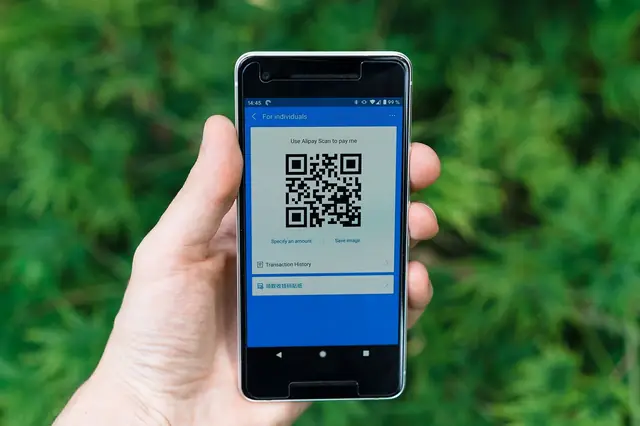
Photo: Pixabay
On this page 7 sections
- Mastercard Global Money Platform: What Launched on October 15
- How This Differs From Paying With Crypto at Checkout
- Nuvei, Marqeta and the First Integrations: Who Reaches Merchants First
- Where It Could Help: Cross-Border Sales, Supplier Payments and Marketplace Payouts
- Risks and Open Questions: Conversion Costs, Accounting and Compliance
- Questions to Ask Your Processor About Stablecoin Settlement
- Next Steps for Merchants
Key takeaways
- Mastercard and BVNK launched the Global Money Platform on October 15, 2026. It is infrastructure for banks, fintechs and processors, not a new way to pay at checkout.
- When a customer pays with a stablecoin-linked card, you still receive a normal Mastercard transaction settled in dollars. Nothing changes at your terminal or checkout.
- The changes that matter happen behind the scenes: multi-currency accounts, conversion and Mastercard Move payouts. If they reach you, it will likely be through processors and payout providers, such as Nuvei, that have integrated the platform.
- Before you opt into stablecoin settlement, get conversion costs, the accounting treatment, compliance duties and chargeback handling in writing.
Most stablecoin headlines are about consumers spending crypto. The Mastercard Global Money Platform is aimed at something else: the plumbing behind settlement, multi-currency balances and cross-border payouts. This article covers what Mastercard and BVNK launched on October 15, 2026, and how it differs from crypto at checkout. It also explains which early adopters are likely to reach merchants first, where the platform could help online, B2B, marketplace and travel businesses, and what to ask your processor before you opt in.
Everything below reflects public announcements as of October 20, 2026. Details may change as the platform rolls out.
Mastercard Global Money Platform: What Launched on October 15
On October 15, 2026, Mastercard and BVNK announced the Global Money Platform. It combines Mastercard's payments network with BVNK's stablecoin infrastructure behind a single API. Mastercard calls it the first major combined product since it acquired BVNK. Mastercard completed that deal in August 2026 for up to $1.8 billion, including contingent payments.
The launch has four main parts:
- Multi-currency accounts that hold traditional currencies, such as U.S. dollars and euros, alongside stablecoins
- Real-time conversion between those currencies and stablecoins
- Stablecoin-linked cards that let account holders spend stablecoin balances wherever Mastercard is accepted
- Local bank payouts through Mastercard Move, the company's money-transfer network
Banks, fintechs and large companies can build these features into their own branded products or use them for their own treasury and settlement. According to the announcements, Mastercard Move reaches more than 17 billion endpoints. Payout coverage is expected to reach more than 40 currencies across 200-plus countries and territories in 2027, and card issuing is available in more than 130 countries.
Not every part is equally mature. One analysis of BVNK's documentation found that accounts, conversion and payouts are documented as available. The cards API is labeled beta and limited to eligible jurisdictions. Agentic commerce and tokenized deposits are listed as future features. For more on bank tokens, see our look at SoFi's tokenized deposit and SoFiUSD.
Who this is for: The platform is sold through BVNK to banks, fintechs and enterprises. Most merchants won't sign up directly. If it reaches you, it will be through a processor, payout provider or banking partner that has integrated it.
How This Differs From Paying With Crypto at Checkout
It helps to separate three ways stablecoins can touch your business. Only one of them changes anything at the point of sale, and even that one doesn't change much.
| Scenario | What the customer does | What you receive | What changes for you |
|---|---|---|---|
| Stablecoin-linked card | Pays with a Mastercard funded by a stablecoin balance | A normal card transaction settled in dollars | Nothing at checkout |
| Stablecoin settlement | Pays however they like | Stablecoins, if you opt in through your processor | Treasury, accounting and compliance |
| Multi-currency treasury and payouts | Not involved | Balances you hold, convert and send to suppliers or sellers | How you fund and move money across borders |
With stablecoin-linked cards, the conversion happens on the cardholder's side. As one technical breakdown explains, the issuer converts the funds at authorization, the network clears in regular currency, and the acquirer is credited in local currency. Marqeta, whose platform is used to issue these cards, has said they are designed to work "without requiring merchants to change how they accept payments."
So you don't need new hardware or a crypto wallet to accept these cards. If you've already read our breakdown of Visa and Mesh crypto spending at checkout, the logic is the same.
The real change is in the second and third rows: what happens to your money after the sale.
Nuvei, Marqeta and the First Integrations: Who Reaches Merchants First
Mastercard's announcement named Nuvei, Ontop, Beem and Almond FinTech as enterprise customers building on the platform. Marqeta was also named among the first adopters. These companies reach merchants in different ways.
Nuvei: The Merchant-Facing Route
Nuvei is a payment processor, so it is the most direct path to merchants. Its stablecoin work with Mastercard started before this launch. In April 2025, Mastercard said it was working with Nuvei and Circle to let merchants receive their payments in stablecoins such as USDC, no matter how the customer pays. At the October launch, Nuvei's CEO said the BVNK work would help bring these features to more businesses. Nuvei did not publish merchant pricing or a rollout date in the materials we reviewed.
Marqeta: The Card-Issuing Route
Marqeta builds card programs for other companies. In September 2026, BVNK and Marqeta announced a partnership that lets Marqeta's customers add stablecoin-backed cards to their wallets and financial products. For merchants, this mostly means more customers carrying cards funded by stablecoin balances. Those cards still look like ordinary Mastercard transactions to you.
Visa's Parallel Push
Mastercard isn't alone. Visa announced its own stablecoin initiative the same day, focused on uses such as cross-border transfers. Expect more processors to add stablecoin options over time, with different terms, coverage and maturity. For more on Visa's side, see our breakdown of what Visa Direct stablecoin funding means for seller payouts.
Where It Could Help: Cross-Border Sales, Supplier Payments and Marketplace Payouts
Mastercard's own example is a manufacturer that receives several currencies and pays overseas suppliers. Today that means separate accounts, separate vendors and money sitting idle in pre-funded balances in each market. The platform is meant to replace that with one place to manage balances and payments. Here's how that could apply to the industries most likely to benefit. All scenarios below are illustrative.
E-Commerce Stores Selling Internationally
An online store that sells to customers in several countries may collect revenue in currencies it doesn't spend locally. Holding balances in more than one currency and choosing when to convert could reduce forced conversions at bad times. That only works if conversion pricing is transparent. Pair any settlement change with a clear pricing strategy, as covered in our guide to multi-currency pricing without losing margin.
B2B and Wholesale Supplier Payments
Illustrative example: A U.S. importer pays a factory overseas on a deposit-and-balance schedule. Today it may wire money through a correspondent bank and wait days for confirmation. A provider built on Mastercard Move payouts could let the importer fund the payment from a dollar or stablecoin balance and have it arrive in the supplier's local bank account. That could make delivery faster or more predictable. Whether it's cheaper depends on spreads and fees at each step, so compare the full cost.
Online Marketplaces Paying Sellers
Marketplaces that pay sellers in many countries deal with multiple payout vendors and pre-funded float. A single platform for local bank payouts could simplify that work. It doesn't remove your obligations, though. You still need to verify sellers before you pay them, as covered in our guide to seller KYC for marketplaces.
Travel and Tourism Operators
Tour operators and agencies often take payment in dollars and then pay hotels, guides and transport partners in local currencies, sometimes on tight timelines. Faster payouts could help with that. But card-funded bookings still carry the same future-delivery risk. A new settlement method won't change why processors hold funds on travel bookings.
Risks and Open Questions: Conversion Costs, Accounting and Compliance
The technology is new, and several merchant questions don't have published answers yet. For background on the U.S. rules, see our guide to what the GENIUS Act stablecoin law means for merchants.
- Conversion costs. Fees tend to show up when money moves between stablecoins and dollars or local currencies: conversion spreads, withdrawal fees and payout charges. Ask for every fee, not just the headline rate.
- Holding risk. A stablecoin's value depends on its issuer and reserves. Keeping balances in stablecoins is a treasury decision, not just a payment setting.
- Accounting and tax. How you record, value and report stablecoin balances and conversions may differ from regular dollar deposits. Confirm the treatment with a CPA before you opt in.
- Compliance. Stablecoin rules in the U.S. and abroad are still changing at the federal and state levels. Your provider handles a lot of it, but you may still face extra business verification and sanctions screening. This is general information, not legal advice. Check with a qualified professional.
- Chargebacks don't disappear. A sale paid by card is still a card sale, and the customer keeps their dispute rights. Know how the chargeback lifecycle works and how your provider would take a disputed amount back if you settle in stablecoins.
- Maturity. Some modules are beta, and payout coverage is expanding through 2027. Don't plan around features that haven't launched in your markets.
Questions to Ask Your Processor About Stablecoin Settlement
If your provider brings up stablecoin settlement or Mastercard BVNK features, get answers to these questions in writing:
- Is this live for U.S. merchants today, or still in pilot or beta?
- Which stablecoins and currencies can I receive, hold and pay out?
- What are the conversion spreads and fees each time money moves between stablecoins and dollars or other currencies?
- Can I switch back to dollar settlement anytime, and what does switching cost?
- How do refunds, chargebacks and reserves work if I settle in stablecoins?
- Who holds my balances, and what happens to them if the provider or stablecoin issuer runs into trouble?
- Which payout countries and corridors are covered for my suppliers or sellers?
- What reporting will I get for reconciliation and my accountant?
- Will I need to submit extra verification documents?
These sit alongside the basics in our checklist of questions to ask a merchant service provider.
Next Steps for Merchants
For most U.S. businesses, nothing changes at checkout. You'll keep accepting Mastercard as usual, including cards funded by stablecoin balances. The real decisions come later, if your provider offers stablecoin settlement or multi-currency payouts. Treat them as treasury and compliance choices, and compare total costs against your current setup.
If you sell or pay across borders now, start with the basics: how you accept foreign cards, which currency you settle in, and what you pay to convert. MannyPay's international payment processing covers multi-currency acceptance, cross-border acquiring options and a review of USD or local-currency settlement. For online sellers, our online payment solutions cover gateway and e-commerce setups. To review your options, request a free quote, and a MannyPay specialist will respond within one business day.
Sources
- Mastercard and BVNK Launch Global Money Platform to Power a Multi-Money World (Mastercard)
- Mastercard and BVNK Unite Fiat and Stablecoins in Global Money Platform (PYMNTS)
- Mastercard and BVNK Launch 'Global Money Platform' to Merge Fiat and Stablecoins (Decrypt)
- Mastercard Expands Stablecoin Reach With New Money Platform (Yahoo Finance)
- Mastercard & BVNK Launch Stablecoin Money Platform (CFOtech)
- Mastercard Global Money Platform: What It Offers and Who It Fits (Stablecoin Insider)
- Mastercard Launches Stablecoin Platform: How Crypto Turns Into Card Swipes and Bank Payouts (HackerNoon)
- Initiatives From Mastercard and Visa Bring Stablecoin Payments Closer to the Mainstream (Digital Transactions)
- Mastercard Unveils End-to-End Capabilities to Power Stablecoin Transactions (Mastercard, April 2025)
- BVNK and Marqeta Partner to Power Stablecoin Card Infrastructure (BVNK)
- BVNK and Marqeta Partner to Power Stablecoin-Card Infrastructure (Marqeta Investor Relations)
This article is for general educational purposes and is not legal, tax or financial advice. Card network rules and state laws change; confirm current requirements for your business.