

What Are Merchant Services? A Plain-English Guide for Business Owners
Learn what merchant services include, from the account and processor to gateways, hardware and funding, plus which fees you pay and what you can negotiate.
Beyond the Swipe
How card payments actually move: merchant accounts, gateways, processors, interchange, authorization, settlement and the infrastructure behind every swipe, tap and click.

Payment gateway vs payment processor explained: what each one does, how they work together, and when bundling or separating them can save you money.

Learn how to choose a payment processor with 10 questions on pricing, contracts, funding speed, integrations, and support to ask before you sign anything.

Learn what a payment gateway does, how it moves an online card payment from checkout to approval, and which features and fees to compare before choosing.

Compare credit card processing pricing models side by side. See how interchange-plus, flat-rate, tiered and subscription pricing affect your monthly costs.

Learn what causes an interchange downgrade, how to spot non-qualified transactions on your statement, and the settings that help you avoid paying more.
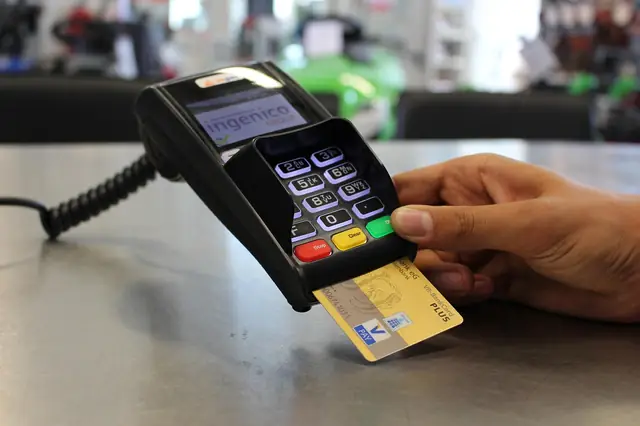
Card present vs card not present: learn how networks classify each sale, why CNP costs more, who carries fraud liability, and how to cut your fees.

Learn what common credit card decline codes mean, which declines you can retry, and what to tell customers in store, online and on recurring billing.

Learn how a credit card authorization hold works, how long it lasts, and how incremental auths and reversals prevent customer double-charge complaints.

See how credit card processing works from tap to deposit: who approves the sale, how settlement reaches your bank and where interchange fees come from.

ACH vs credit card: compare fees, speed to funds, disputes and failure rates by ticket size, plus how to steer customers to ACH without losing sales.

Learn how to take credit card payments over the phone safely: the right tools, data that lowers rates, PCI-safe handling, and fraud checks for staff.

Buy now pay later for merchants explained: how BNPL merchant fees compare to cards, how Affirm, Klarna, Afterpay and PayPal differ, and when it pays off.

Failed payment recovery for subscriptions: a retry schedule, dunning sequence and decline-code logic that win back renewals and limit network fee risk.

Compare digital wallets for business by reach, cost, dispute rules and checkout impact so you accept the wallets your customers actually use.

Learn what a strong ACH authorization form includes, how to capture online and phone consent, and how to keep proof that holds up to unauthorized claims.
Learn how pay by bank works for U.S. merchants, from ACH and instant rails to cost savings versus cards, return risk, fraud controls and provider questions.
Learn how to improve authorization rates with 12 fixes for data, tokens, retries, fraud rules and routing that recover sales lost to false declines.

Learn how network tokenization differs from gateway tokens, keeps stored cards current, and can lift approvals for subscriptions and online stores.
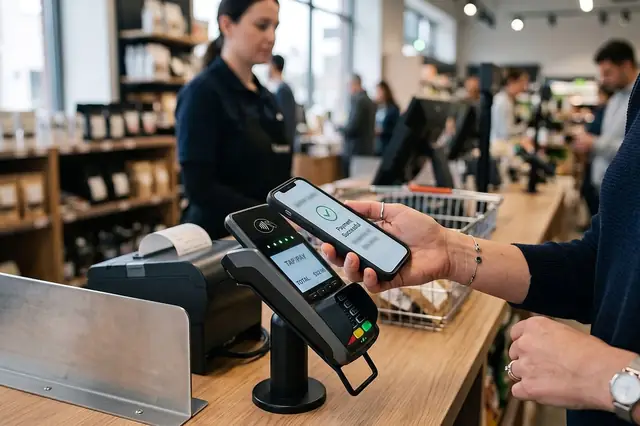
Contactless payments for small business explained: how NFC tap works, which terminals to buy, what it costs and how to manage fraud and CVM limits.

Learn how to receive international payments while cutting wire, intermediary, FX and cross-border card fees, with cost comparisons by invoice size.

Cross-border fee vs. foreign transaction fee: learn who pays each, how network assessments hit your statement, and how to spot processor markups.
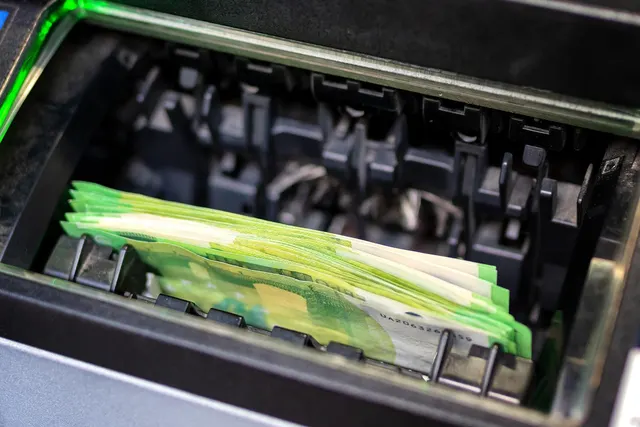
Learn how to send money to the Philippines by bank deposit, GCash, cash pickup or delivery, and how to calculate the true cost of each transfer.

Learn which local payment methods shoppers expect by country, from iDEAL to Pix and Boleto, and how U.S. merchants can add them through a gateway.

Learn how international chargebacks differ, from currency conversion losses to foreign issuers and shipping proof, and build evidence that wins disputes.
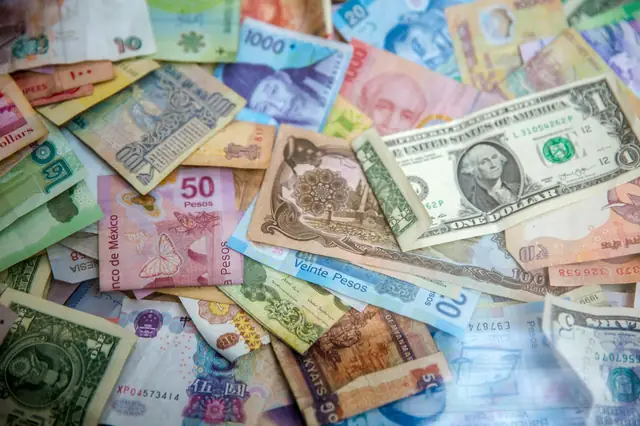
Learn how multi-currency pricing works, how to show local prices online, and how to protect margin from FX markups, rate swings and refunds.