PIN Debit vs. Signature Debit: Routing, Costs, and Fraud
PIN debit vs signature debit: how each runs, how ticket size changes the fee, who carries fraud risk, and how merchants can steer debit routing.
On this page 6 sections
PIN debit vs. signature debit comes down to which network carries the sale. When a customer enters a PIN, the transaction usually travels over a PIN debit network such as Star, NYCE, Pulse or Accel. When the customer chooses "credit" on a debit card, the sale runs over the Visa or Mastercard rails as what the industry still calls signature debit. Taps with no PIN often run that way too. The money comes out of the same checking account either way. The route decides which network handles the sale, what you pay for it, how exposed you are to fraud and chargebacks, and how much say you have in all of that.
Two Ways to Run the Same Debit Card
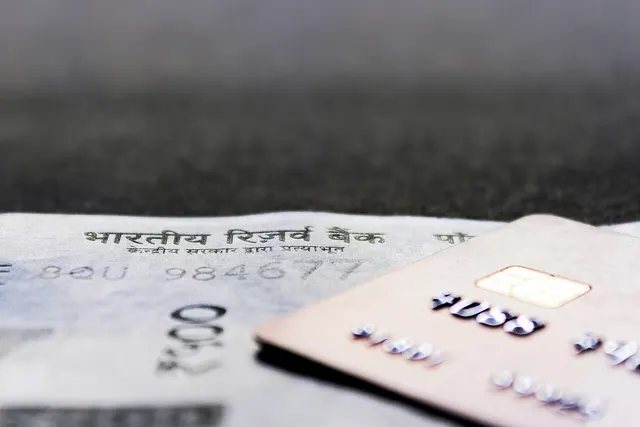
Look at the front of a typical U.S. debit card and you'll see a Visa or Mastercard logo. Flip it over and there are usually one or more smaller logos, which the industry calls "bugs." Each bug is a PIN debit network the card can also travel on, so one card gives your processor at least two possible routes.
Those routes work differently. PIN debit is usually single-message: the authorization and the settlement instruction travel together, and the customer's bank treats the sale as final once it approves it. Signature debit is dual-message. The bank approves the sale first, and the transaction clears later when you batch out. That two-step design is why a signature sale can be adjusted after approval, and why customers sometimes see a pending hold before the final charge posts.
The debit card credit option causes a lot of confusion at the counter. When a customer presses "credit" on the PIN pad with a debit card, the card doesn't turn into a credit card. The sale is still debit, it still pulls from checking, and it is still priced as debit. Only the route changes: Visa or Mastercard instead of a PIN network. Customers pick "credit" because they forgot their PIN, because they think it gives them more protection, or out of habit. If your cashiers ask "debit or credit?", they are inviting that choice.
PIN Debit Networks vs. the Visa and Mastercard Rails
PIN debit networks are separate businesses with their own operating rules, fee schedules and dispute processes. Visa and Mastercard also run PIN debit products of their own alongside signature debit. The independent networks change owners from time to time, and a sale can shift their pricing and routing behavior. Our report on Fiserv preparing a debit network sale covers what that kind of deal means for merchants.
You don't pick the network one transaction at a time. Your processor keeps a routing table that sends each debit transaction somewhere. The destination depends on which networks the card is enabled on, how your terminal captured the card (PIN, tap, chip without PIN, keyed entry) and the processor's own logic. Some processors send each sale to the lowest-cost eligible network. Others default to Visa or Mastercard whenever they can. Unless you ask, the processor makes that call for you.
PIN Debit vs. Signature Debit Costs by Ticket Size
Every debit transaction carries three layers of cost. Interchange goes to the cardholder's bank. Network fees go to whichever network carried the sale, and PIN networks often call theirs switch fees. Processor markup goes to your provider. The route always affects network fees. Whether it also changes interchange depends on the card.
Debit cards from some issuers are priced under the Federal Reserve's Regulation II interchange cap, and that cap's legal status has been in court. Cards from other issuers fall outside it. Our explainer on regulated vs. unregulated debit covers which cards fall where. For routing, here is the practical point. If interchange is set the same way no matter which network carries the sale, the route mostly changes your network fees. If each network sets its own interchange for a card, the route can change the whole bill. Confirm current rates with your processor, because both the rules and the network schedules change.
On cards where networks set their own pricing, how the fee is built matters more than the headline rate. Visa and Mastercard signature debit pricing tends to lean on a percentage of the sale. Many PIN network schedules put more weight on a flat per-transaction fee. A percentage-heavy price is cheap on a small ticket and gets expensive as the ticket grows. Flat-heavy pricing behaves the opposite way.
Illustrative example only. These numbers are invented to show how the fee structure plays out and are not any network's actual pricing. Suppose one route takes 0.6 percentage points less of each sale but charges a dime more in flat fees. The two cost the same where 0.6% of the ticket equals that dime, at roughly $17. Below that, the percentage-heavy route wins. Above it, the flat-heavy route saves more as the basket grows.
That break-even logic is why grocery stores and liquor stores have the most to gain from routing. Their baskets often run well past small-ticket territory, much of their volume is debit, and many customers already enter a PIN to get cash back. A counter that mostly sells single drinks and snacks sits at the other end, where the percentage-heavy route can be the cheaper one.
Cheaper routing only helps you if the savings reach your statement. On flat-rate or tiered pricing, you pay the same price no matter which network carried the sale, so your processor keeps whatever cheaper routing saves. You see the difference only on a pass-through model such as interchange-plus. Our comparison of subscription pricing and interchange-plus explains how each model handles pass-through. For the broader picture, see what merchants pay for debit vs. credit.
Fraud and Chargebacks Lean Toward the PIN
Entering a PIN adds a second factor to the sale. Someone holding a stolen card, or a card number lifted by a skimmer, still needs the code to complete a PIN transaction. Signature sales have no comparable check, since almost no one compares a scrawl on a screen to anything. Combine a PIN with a chip read and you have the strongest verification available at an in-person counter. That matters most for the items thieves target: high-value bottles at a liquor store, gift cards at a grocery register, and electronics in general retail. For how chip reads shift counterfeit losses, see who pays under the EMV liability shift.
Chargeback exposure differs too. Signature debit on Visa and Mastercard comes with the full card-brand dispute framework: many reason codes, set response windows, and the cardholder's bank's ability to pull funds back from you. PIN networks generally give issuers fewer grounds to charge a merchant back, and many cardholder complaints get worked out between the customer and their bank. Customers may still be able to dispute errors directly with their bank, though, and some of those disputes can reach you. Ask your processor which dispute rules apply on each network you're routed to, and don't assume a PIN sale can never come back.
How Merchants Steer Debit Routing Under Durbin
The Durbin Amendment to the Dodd-Frank Act, carried out through the Fed's Regulation II, is best known for the debit interchange cap. It also contains provisions on debit network routing that bear on the merchant's choice of route. The cap has been the subject of a Fed proposal and a court fight, covered in our explainer on the Regulation II proposal and court ruling and our merchant playbook after the appeals court ruling. The routing provisions are separate from the cap, so check the current status of each on its own. This is general information, not legal advice. Confirm specifics with a qualified professional.
Day to day, you influence routing through your processor and your equipment:
- Prompt for the PIN first. Most terminals can be set to ask for a PIN when they detect a debit card and to offer "credit" as a secondary option. Train cashiers to say "go ahead and enter your PIN" instead of "debit or credit?" If a customer still picks credit, accept it. Don't refuse the sale or insist on a PIN.
- Make sure your hardware can take a PIN. Any terminal you use for debit needs a certified PIN entry device. Our guide on what a PIN pad does and whether you need one covers the setup, and MannyPay carries countertop PIN pads for existing counters.
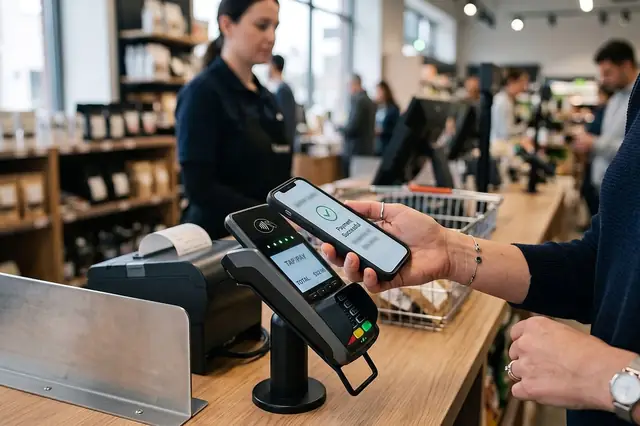
- Ask how taps are routed. Contactless debit below the terminal's PIN threshold usually completes without a PIN. Whether those taps can go to a PIN network depends on your processor and terminal. Our guide to contactless payments and NFC setup covers the hardware side.
- Get the routing logic in writing. Ask whether your processor does least-cost routing, on which entry methods, and whether the savings show up on your statement.
Grocery stores also handle EBT, which runs through a separate government program with its own rules. Keep that flow distinct from regular debit when you configure terminals and train staff. MannyPay's pages for grocery market payment processing and liquor store payment processing cover setups for each.
PINless Debit Brings Routing Choice Online
PINless debit sends a card-not-present debit transaction over a PIN network without asking the customer for a PIN. Federal regulators have addressed whether routing choice under Regulation II extends to online sales, so check the current rule with your processor or counsel before you build plans around it. Whether you can use PINless debit in practice depends on three things: your gateway and processor supporting it, the network's eligibility rules for your type of business, and the card issuer's participation.
PINless routing comes with tradeoffs. 3-D Secure authentication is a card-brand program, so ask whether its fraud liability protection still applies when a sale goes out PINless. Disputes on a PINless sale follow the PIN network's rules, and refunds and recurring billing can behave differently than they do on Visa or Mastercard. The usual candidates are grocery delivery, online bill payment and subscription retailers with steady debit volume. If you sell alcohol online, deal with state law and age verification before you think about routing. PINless support also varies by payment gateway, so confirm it before you change your checkout.
Start with last month's processing statement and find your debit volume. Your statement may show every debit sale going over Visa or Mastercard, or it may not name the network at all. In either case, ask your processor three questions. Which networks do your debit transactions route to? Is least-cost routing turned on for chip, tap and online sales? Does your pricing pass the difference through to you? To compare those answers against another offer, request a free quote, and a MannyPay specialist will respond within one business day.
This article is for general educational purposes and is not legal, tax or financial advice. Card network rules and state laws change; confirm current requirements for your business.